
Smoke & Soot Residue
Residue on walls, ceilings, fixtures, cabinets, flooring, and other surfaces throughout affected areas.
Fire cleanup, smoke and soot residue cleaning, odor control, damaged-material removal, water-damage mitigation, documentation, and reconstruction for homes and commercial properties throughout Riverside County and nearby Inland Empire communities.
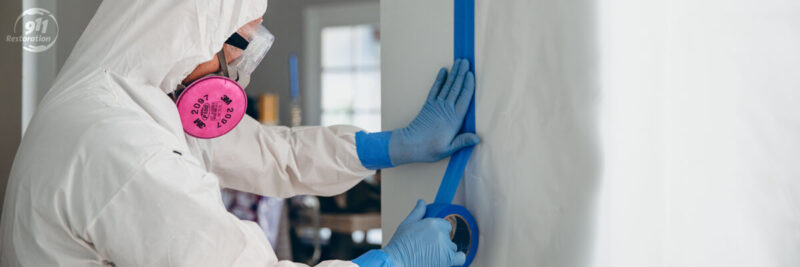
We can provide photos, moisture documentation, drying records, and estimating information for the claim process.








Carrier names and logos are shown for identification only. No affiliation or endorsement is implied. Coverage decisions are made by the insurance carrier under the terms of the policy.
Smoke, soot, heat, odor, and firefighting water can affect multiple areas of a property. Even when the fire is contained to one room, residues and odors can travel into nearby spaces and building assemblies.
Our restoration process focuses on documenting the affected areas, removing debris and damaged materials when needed, cleaning smoke and soot residue, addressing odor sources, evaluating water damage from fire suppression, and preparing the property for repairs and reconstruction.
Fire losses often involve several types of damage at the same time, which is why a complete inspection is important.
Residue on walls, ceilings, fixtures, cabinets, flooring, and other surfaces throughout affected areas.
Odor absorbed into porous materials, contents, finishes, and concealed spaces after a fire.
Drywall, framing, finishes, fixtures, and other materials damaged directly by flame or heat.
Wet drywall, insulation, flooring, cabinets, and other materials affected during fire suppression.
Debris, damaged finishes, and affected contents that may need cleaning, evaluation, or removal.
Interior repairs and finish work required after damaged materials are removed and cleanup is complete.
The exact scope depends on the severity of the loss, but a documented process helps organize cleanup and repairs.
We discuss where the fire occurred, what areas appear affected, and whether the property has been released for entry.
We document fire, smoke, soot, odor, and water-related conditions throughout the affected areas.
Materials that cannot remain are addressed so cleaning and restoration can move forward.
Affected surfaces are evaluated for appropriate cleaning methods based on residue type and material condition.
Odor sources are addressed, and water damage from firefighting efforts is evaluated and dried when applicable.
When repairs are required, our team can continue into reconstruction, painting, flooring, drywall, and finish work.
Fire restoration often requires looking beyond the visibly burned area. Smoke movement, heat, and suppression water can affect surfaces and materials throughout the property.
Real project photos from restoration work. Image descriptions are pulled from the Alt Text saved in the WordPress Media Library.
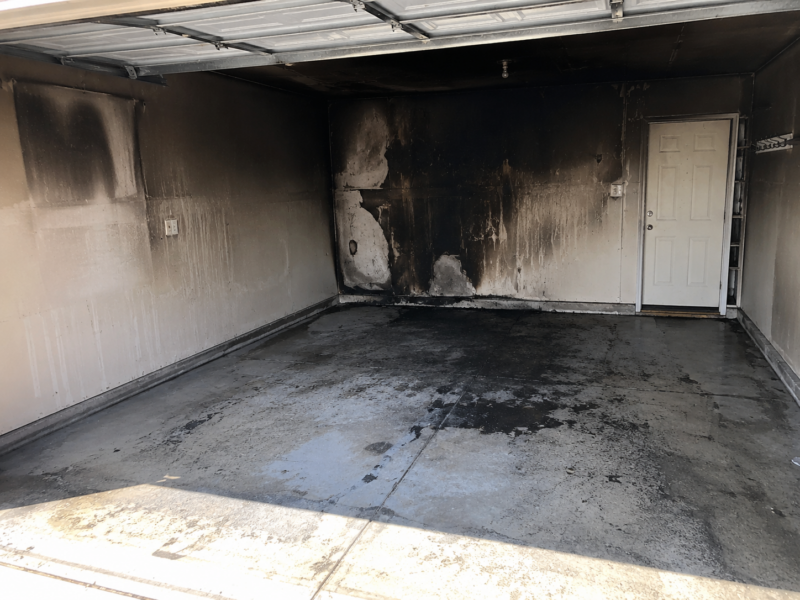
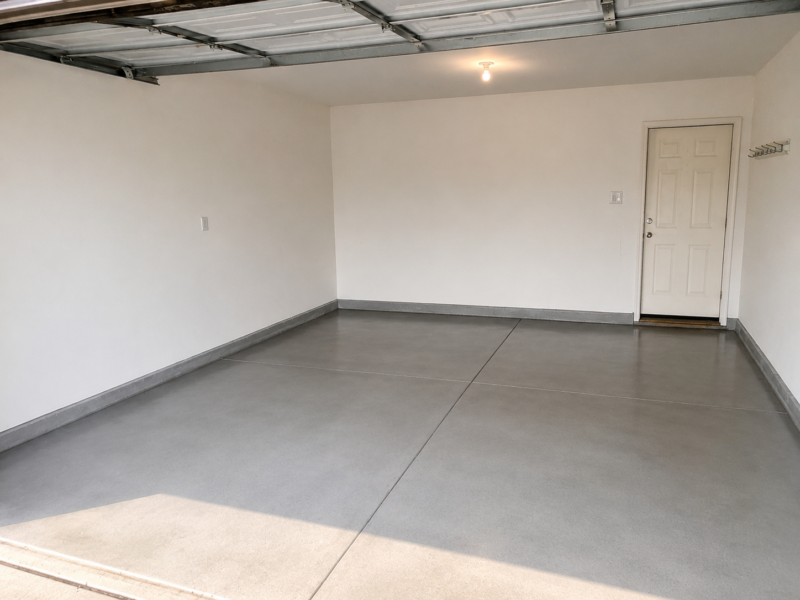
When a fire loss involves insurance, our team can provide project photographs, damage documentation, moisture records when firefighting water is involved, scope information, and restoration estimating support.
Insurance coverage and claim decisions are determined by the carrier and the terms of the policy. We do not guarantee coverage.
Learn what to expect during a property damage insurance claim →
Documentation of fire, smoke, soot, water, and affected materials.
Documentation when firefighting water affects building materials.
Organized information about damaged materials and restoration work.
Repair and finish information when reconstruction is needed.
We provide fire and smoke damage restoration across our local service territory.
Direct answers to common questions about soot, smoke odor, firefighting water, insurance documentation, cleaning, and reconstruction.
Make sure the property has been released by the fire department or other appropriate authority before entering. Once the property is safe to access, a restoration company can document the damage, identify affected materials, and help plan cleanup, odor control, and repairs.
Yes. Smoke and soot can travel into adjacent rooms, hallways, HVAC pathways, ceilings, walls, and contents. The extent of cleaning depends on the fire, airflow, materials affected, and how residues traveled through the property.
Fire and smoke damage restoration can include debris removal, cleaning of soot and smoke residue, odor-control work, removal of damaged materials, water-damage mitigation from firefighting efforts, repairs, and reconstruction.
Smoke odor can often be reduced or removed by addressing the source materials, cleaning affected surfaces, removing materials that cannot be restored, and using appropriate odor-control methods. The exact process depends on the type and severity of the fire.
Sometimes. Whether a surface can be cleaned depends on the type of soot, the finish, the amount of residue, heat damage, and whether the material is otherwise salvageable. Some surfaces may require cleaning and sealing while others may need replacement.
Water used during fire suppression can create a separate water-damage problem. Wet drywall, insulation, flooring, cabinets, and other materials may need moisture evaluation, extraction, structural drying, or removal depending on their condition.
Coverage depends on the policy and the circumstances of the loss. We can provide photographs, scope information, moisture records when water damage is present, and restoration estimating support, but the insurance carrier determines coverage.
Yes. When repairs are needed after fire and smoke cleanup, 911 Restoration of Riverside County can continue into reconstruction, including drywall, flooring, painting, finish repairs, and other interior restoration work.