
Burst Pipes
Broken plumbing lines can release a large volume of water into multiple rooms and building assemblies.
Standing water can spread quickly through flooring, drywall, cabinets, and other building materials. 911 Restoration of Riverside County provides 24/7 flood cleanup, water extraction, structural drying, and restoration for flooded homes throughout our service area.
The sooner standing water and excess moisture are addressed, the sooner the property can begin drying.
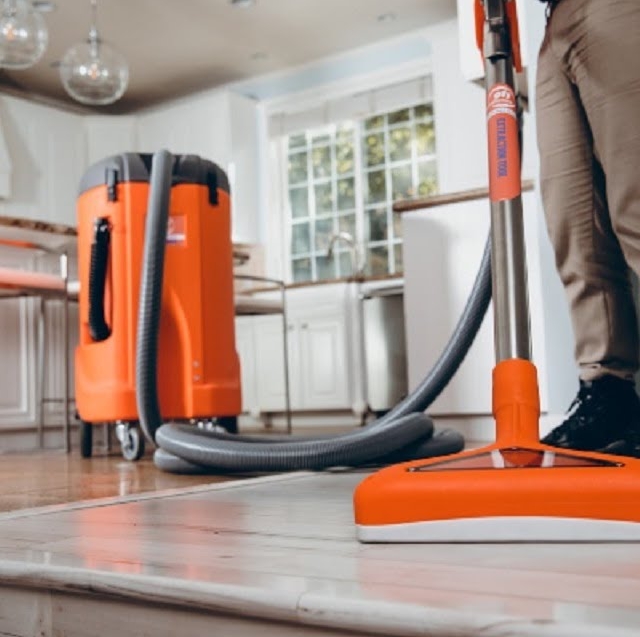
Start with safety, then focus on stopping additional water and documenting what happened.
Avoid electrical hazards, contaminated water, unstable materials, and areas that are unsafe to enter.
Shut off the appropriate water source when it can be done safely and without creating another hazard.
Do not walk through or handle water that may contain sewage, drain discharge, or other contaminants.
Take photographs and video of standing water, affected rooms, and visible damage when it is safe to do so.
Standing water and widespread saturation should be addressed promptly so extraction and drying can begin.
If a claim may be involved, report the loss and obtain the claim number and adjuster information when available.
Call our restoration team and tell us where the water came from and what areas appear affected.
The exact scope depends on the source, contamination, materials, and how far the water traveled, but the restoration process follows a clear sequence.
Identify affected areas, visible damage, water source, moisture conditions, and potential contamination concerns.
Remove standing water with professional extraction equipment so the structure can move into drying.
Check flooring, walls, ceilings, cabinets, and other materials for moisture migration beyond what is visibly wet.
Determine which materials may be dried, cleaned, removed, or require additional evaluation based on actual conditions.
Use air movement and dehumidification appropriate for the affected materials, layout, and drying conditions.
Perform appropriate cleaning based on the water source, contamination concerns, and affected surfaces.
Document moisture conditions and drying progress so equipment and scope decisions are based on project conditions.
Repair or replace damaged drywall, flooring, cabinets, trim, paint, framing, and finish materials when required.
Flood cleanup can begin with many different sources. Knowing where the water came from helps determine safety, contamination, extraction, and drying decisions.
Broken plumbing lines can release a large volume of water into multiple rooms and building assemblies.
Supply hoses, drain lines, and appliance failures can spread water quickly across flooring and into nearby rooms.
A failed tank or connection can create significant standing water around walls, flooring, and adjacent spaces.
Toilets, tubs, sinks, and other fixtures can overflow and affect flooring, walls, ceilings, and lower levels.
Pressurized plumbing lines at fixtures and appliances can continue releasing water until the source is stopped.
Drain failures can introduce water or contaminated discharge and may require a different cleanup approach.
Weather-related intrusion can affect ceilings, insulation, walls, flooring, and contents depending on the entry point.
Contaminated flooding requires added safety and material-handling considerations. See our Sewage Cleanup service →
The source and conditions of the water affect safety, cleaning, drying, material removal, and contamination decisions. Water categories are a practical way to describe the level of contamination present in a water loss.
Read Category 1, 2 & 3 Water Damage Explained →Examples may include certain supply-line or plumbing releases. Conditions can change depending on contact with materials and time.
May contain contaminants that require additional cleaning and material evaluation based on the source and exposure.
Sewage and other highly contaminated sources require added safety controls, cleaning, and affected-material decisions.
Homeowners usually want to know what can stay and what has to come out. There is no one-size-fits-all answer: decisions depend on the water source, contamination, material type, exposure time, moisture levels, condition, and whether the material can be dried effectively.
Evaluated for saturation, physical damage, contamination, insulation, wall-cavity conditions, and whether drying in place is appropriate.
Reviewed as a complete system, including finish flooring, underlayment, adhesives, pad, and the possibility of trapped moisture below the surface.
Checked for moisture at toe kicks, boxes, backs, adjacent drywall, flooring, and concealed interfaces where water can remain trapped.
Evaluated based on material type, saturation, contamination, access, wall or ceiling conditions, and whether effective drying is possible.
May be removed for access, drying, cleaning, or material evaluation depending on how water migrated through the assembly.
Moisture readings and access conditions help determine whether the subfloor can dry in place or requires additional evaluation.
The services overlap, but they are not identical search intents. The difference is mainly the scale and amount of unwanted water involved.
Covers pipe leaks, appliance failures, overflows, hidden moisture, extraction, structural drying, and other water losses from small to large.
Explore Water Damage Restoration →Focuses on significant water accumulation, standing water, water spreading through multiple rooms, emergency extraction, affected-material evaluation, contamination concerns, and drying a flooded structure.
See the Flood Cleanup Process →A flooded property can change quickly. Good documentation creates a record of what was found, what work was performed, and how drying progressed.
Depending on the project, documentation may include initial photographs, affected rooms, moisture readings and mapping, thermal imaging when appropriate, water-source information, affected materials, equipment placement, drying conditions, progress photographs, removed materials, and reconstruction documentation.
Homeowners may need to report a flood-related property loss to their insurance carrier and provide information about the damage and restoration work.
Insurance coverage is determined by the insurance carrier under the terms, conditions, exclusions, and limits of the policy. 911 Restoration does not determine coverage or guarantee payment.
See what information to gather, how mitigation and reconstruction differ, what restoration documentation can include, and what questions to ask your carrier.
Learn What to Expect During the Insurance Claim ProcessRemoving visible water is only the beginning. Moisture can remain beneath flooring, inside drywall, in insulation, beneath cabinets, in framing, and in subflooring long after standing water is gone.
Professional moisture detection and structural drying help identify those conditions and track drying progress rather than assuming a surface that looks dry is actually dry.
Learn more about structural drying →Removing water and drying the property are the mitigation phase. When building materials have been damaged or removed, the next phase may include drywall, flooring, cabinets, trim, paint, framing, and finish materials.
911 Restoration of Riverside County can continue from emergency mitigation into reconstruction when appropriate, helping reduce the number of contractors a homeowner has to coordinate.
Explore ReconstructionThese are actual projects documented by 911 Restoration of Riverside County, showing mitigation, moisture evaluation, drying, cleanup, and reconstruction work.
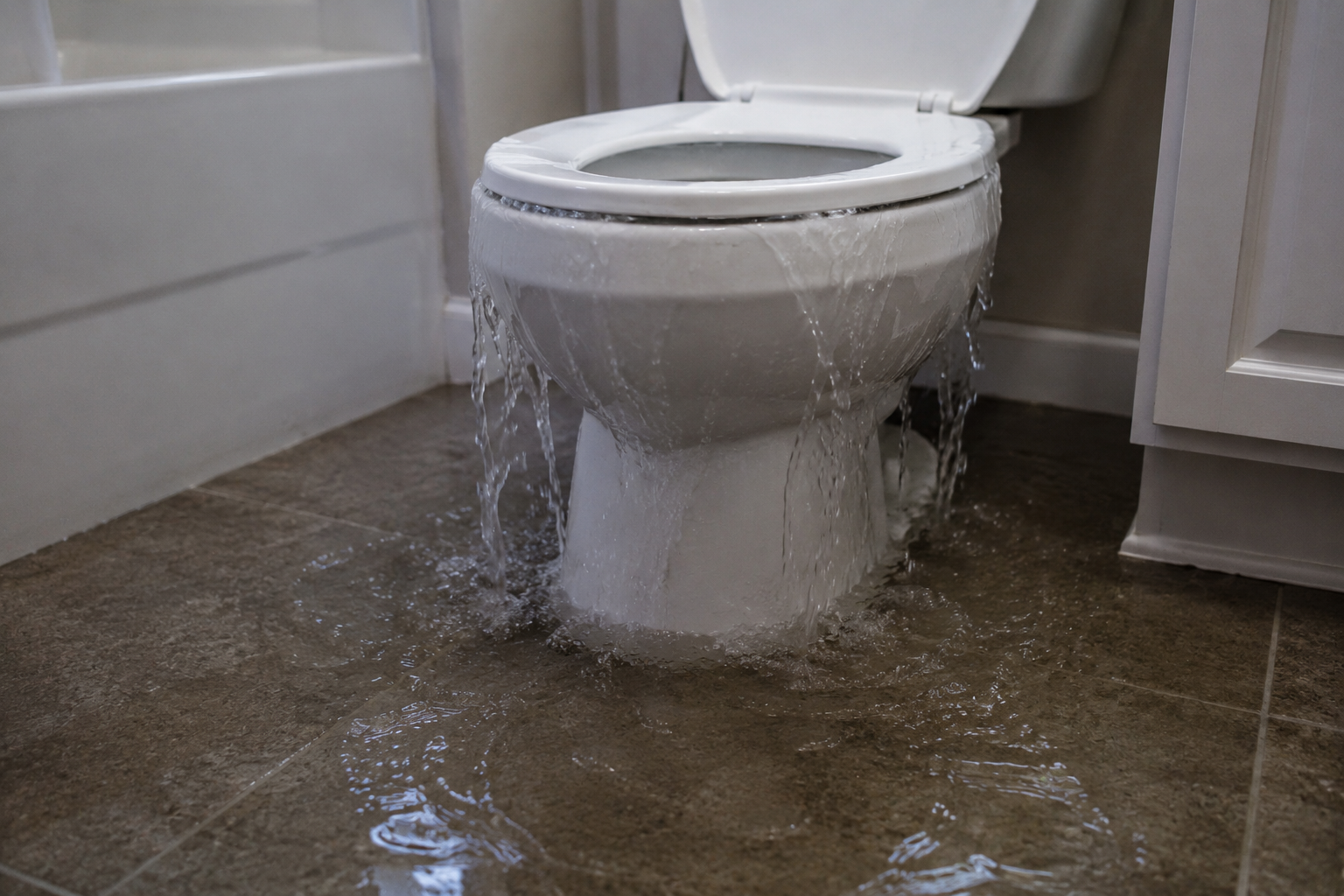
A real Category 3 toilet overflow cleanup in Corona, CA. See how 911 Restoration of Riverside County handled moisture detection,…
View Real Project →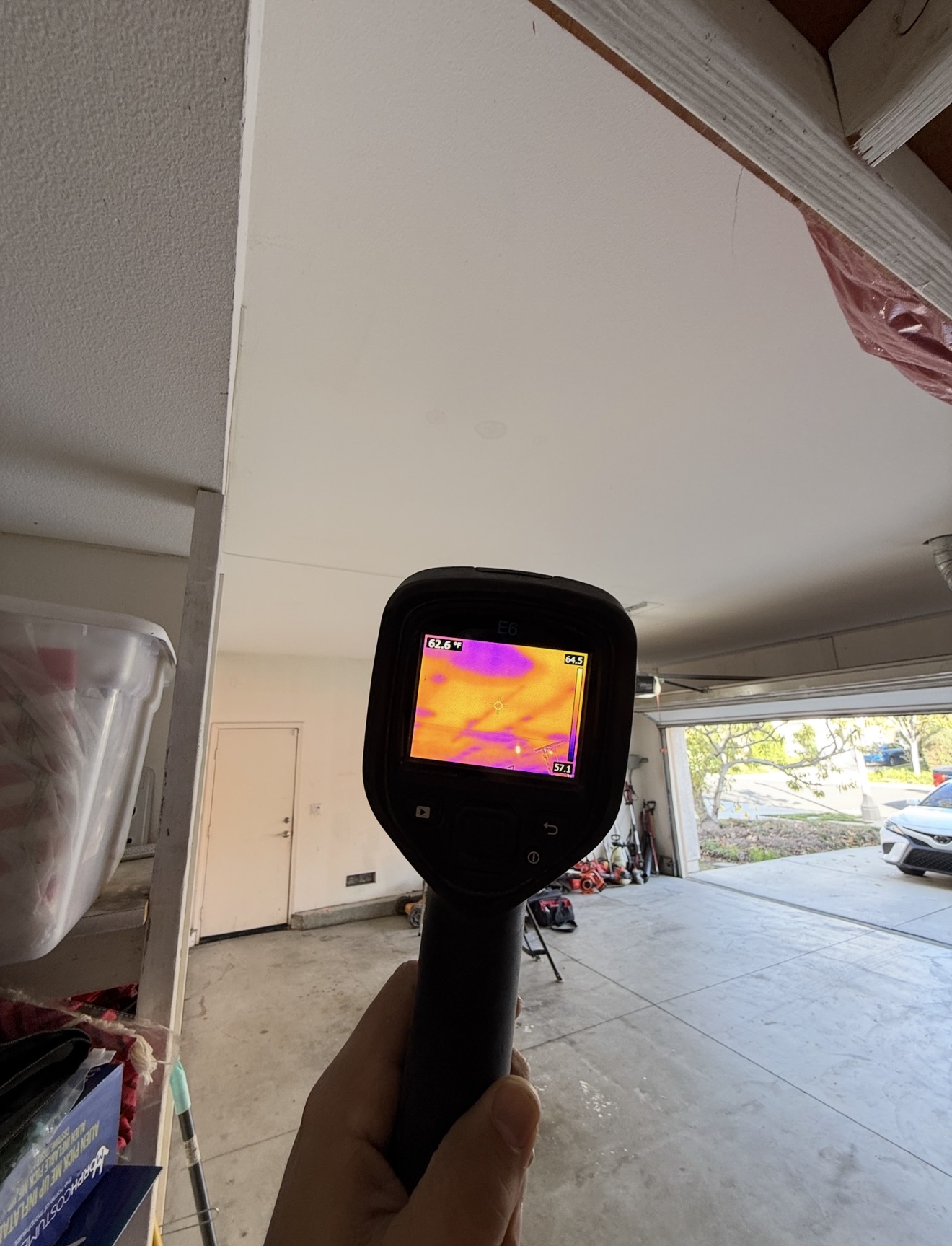
A real water damage restoration project in Chino, CA caused by a second-floor washing machine overflow. See how 911 Restoration…
View Real Project →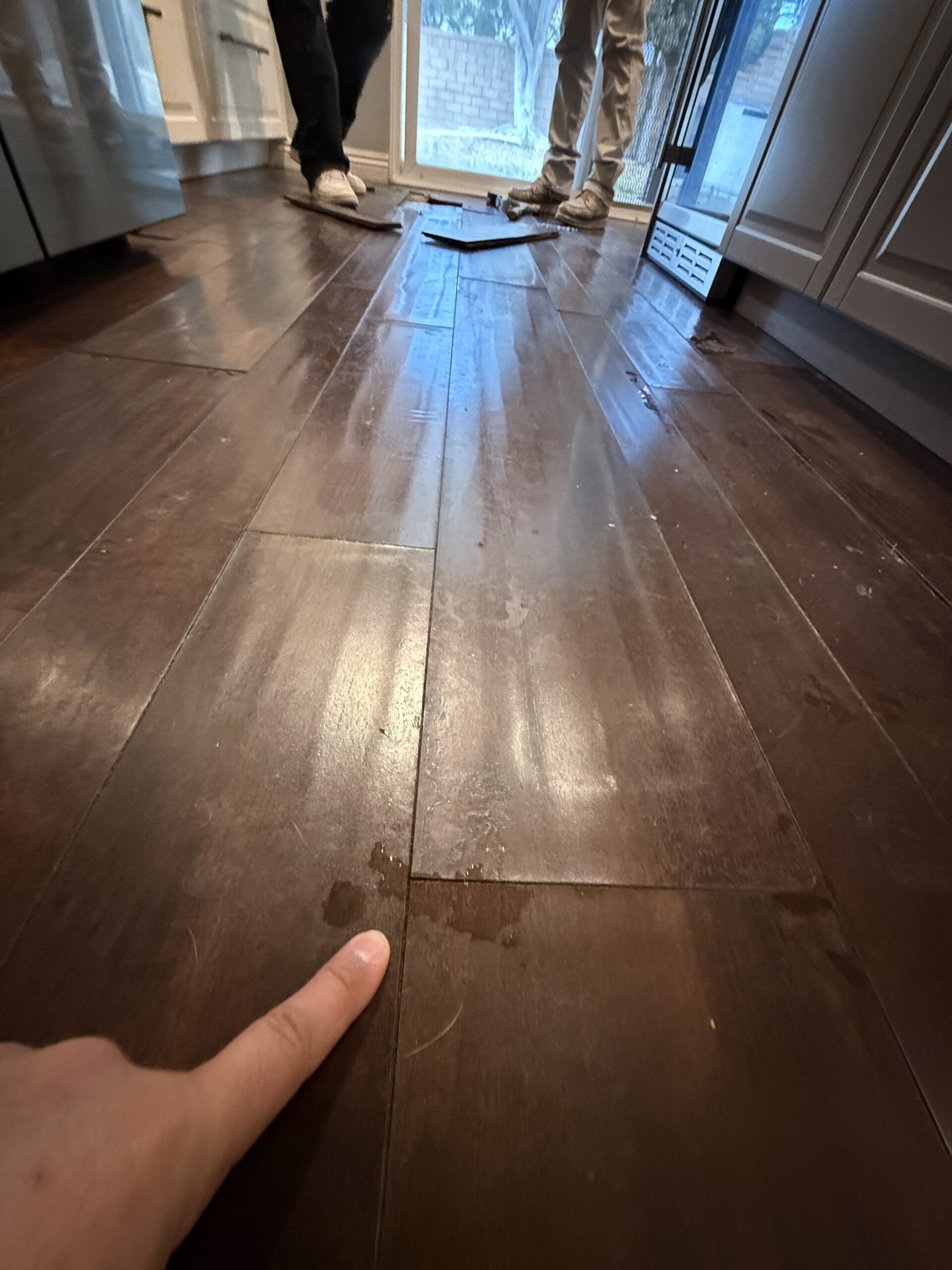
A real water damage restoration project in Ontario, CA showing the full process from moisture inspection and mitigation through structural…
View Real Project →Direct answers about standing water, extraction, wet building materials, structural drying, contamination, insurance, and what happens after cleanup.
Prioritize safety, avoid electrical hazards and contaminated water, stop the source if it can be done safely, photograph the affected areas, and arrange professional water removal when standing water or widespread moisture is present.
Standing water should be addressed as soon as practical once the area is safe. Water can continue moving into flooring, drywall, cabinets, insulation, subflooring, and adjoining rooms while it remains in the structure.
Sometimes. The decision depends on the water source, contamination, saturation, physical condition, insulation, exposure time, access, and whether the material can be dried effectively. Some drywall may need controlled removal.
It depends on the flooring system, water source, contamination, how long it was wet, and what is beneath it. Water may become trapped under finished flooring and affect underlayment, adhesives, or the subfloor.
There is no universal number of days. Drying time depends on the materials, amount of water, exposure time, temperature, humidity, airflow, dehumidification, and site conditions. Moisture readings are used to monitor progress.
It can be. Contamination depends on the source and conditions. A clean plumbing release may begin differently from an appliance discharge, drain backup, sewage loss, or outside water intrusion, and conditions can change over time.
Water damage restoration is the broader service for leaks, overflows, hidden moisture, extraction, and drying. Flood cleanup focuses more specifically on significant water accumulation, standing water, widespread affected materials, emergency extraction, and drying a flooded structure.
Professional extraction is often appropriate when there is standing water, widespread saturation, multiple affected rooms, contaminated water, or moisture that has moved into building materials. The exact response depends on the conditions in the property.
Water beneath flooring can affect underlayment, adhesives, baseboards, cabinets, and subflooring. Moisture detection helps determine how far the water traveled and whether drying, removal, or further evaluation is needed.
If an insurance claim may be involved, report the loss to your carrier as soon as practical and ask for a claim number, adjuster information, and documentation instructions. Coverage is determined by the insurance carrier under the policy.
Necessary emergency mitigation may need to begin before an adjuster arrives when action is required to stabilize the property or address continuing damage. When it is safe, document conditions before unnecessary removal and follow carrier instructions for the claim.
After extraction, mitigation, and drying, the property is evaluated for remaining repair needs. Damaged drywall, flooring, cabinets, trim, paint, framing, or other finishes may then move into reconstruction.
911 Restoration of Riverside County provides emergency water extraction, flood cleanup, structural drying, restoration documentation, and reconstruction throughout our service area.