Quick answer: Professional sewage cleanup involves more than removing visible wastewater. The process can include identifying and stopping the source, isolating the affected area, documenting contamination, removing sewage and affected porous materials when necessary, cleaning remaining surfaces, using HEPA filtration, drying the structure, monitoring moisture conditions, and completing reconstruction after mitigation is finished.
911 Restoration of Riverside County provides sewage cleanup and contaminated-water restoration for toilet overflows, sewer backups, drain backups, and other Category 3 water losses. Our team can handle the process from initial inspection and mitigation through structural drying and reconstruction when damaged materials must be replaced.
Why Is Sewage Cleanup Different From Normal Water Damage?
A clean-water plumbing leak and a sewage backup should not automatically be handled the same way.
Sewage-contaminated water can contain bacteria, microorganisms, organic matter, and other contaminants. Because of this, restoration professionals must consider both moisture and contamination when determining how the property should be restored.
Simply extracting the visible water and placing fans in the room may not address contaminated porous materials or wastewater that traveled underneath flooring, behind baseboards, into drywall, or through wall cavities.
What Is Category 3 Water?
Category 3 water is grossly contaminated water that can contain harmful microorganisms and other contaminants.
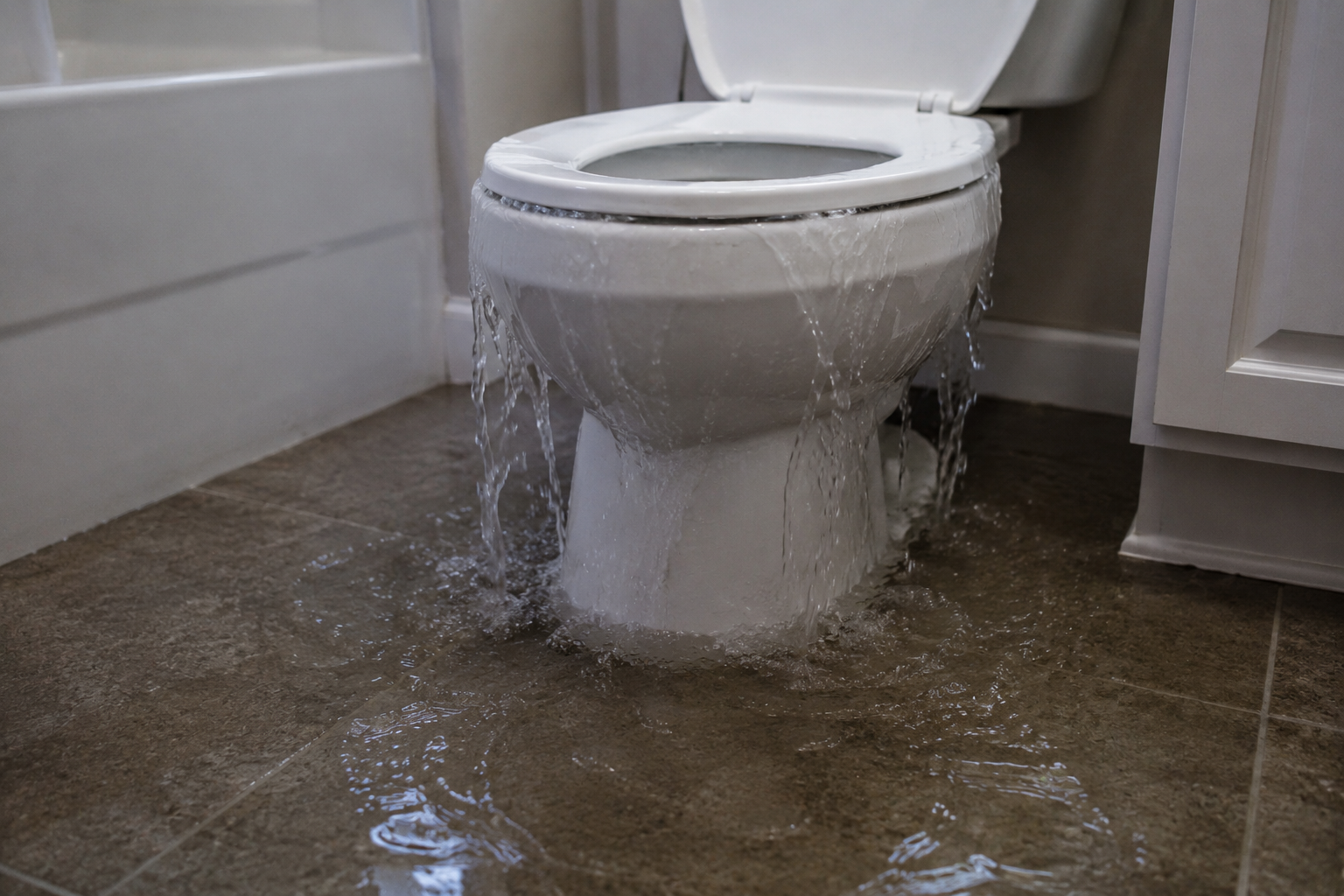
Sewage backups, toilet overflows involving fecal contamination, and certain heavily contaminated water sources can fall into this category.
The actual classification should be based on the conditions of the specific loss, including the source of the water and what it contacted after entering the property.
What Should Happen Before Sewage Cleanup Begins?
The source of the backup should first be identified and stopped. A plumber or sewer professional may need to repair a blocked drain, damaged sewer line, failed toilet, or other plumbing problem before restoration can proceed effectively.
The affected area should also be evaluated for electrical hazards, structural concerns, and the extent of water migration.
911 Restoration of Riverside County documents the affected areas before significant material removal whenever conditions allow. This can include photographs, moisture readings, and inspection findings that help establish the restoration scope.
How Do Professionals Determine How Far Sewage Water Traveled?
Visible wastewater does not always show the full extent of the loss.
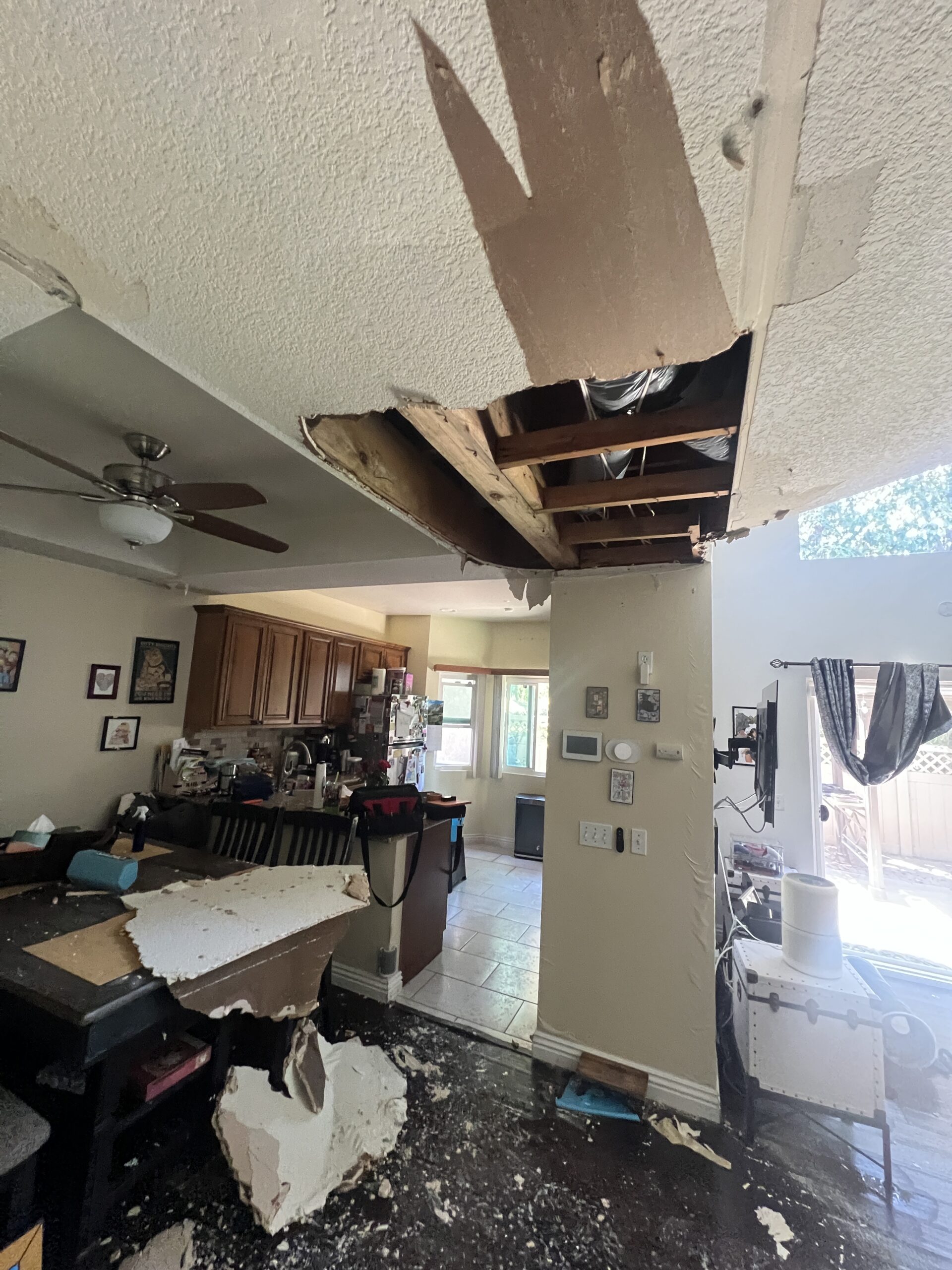
Contaminated water can move beneath flooring, behind baseboards, inside wall cavities, underneath cabinets, through ceilings, and into adjoining rooms.
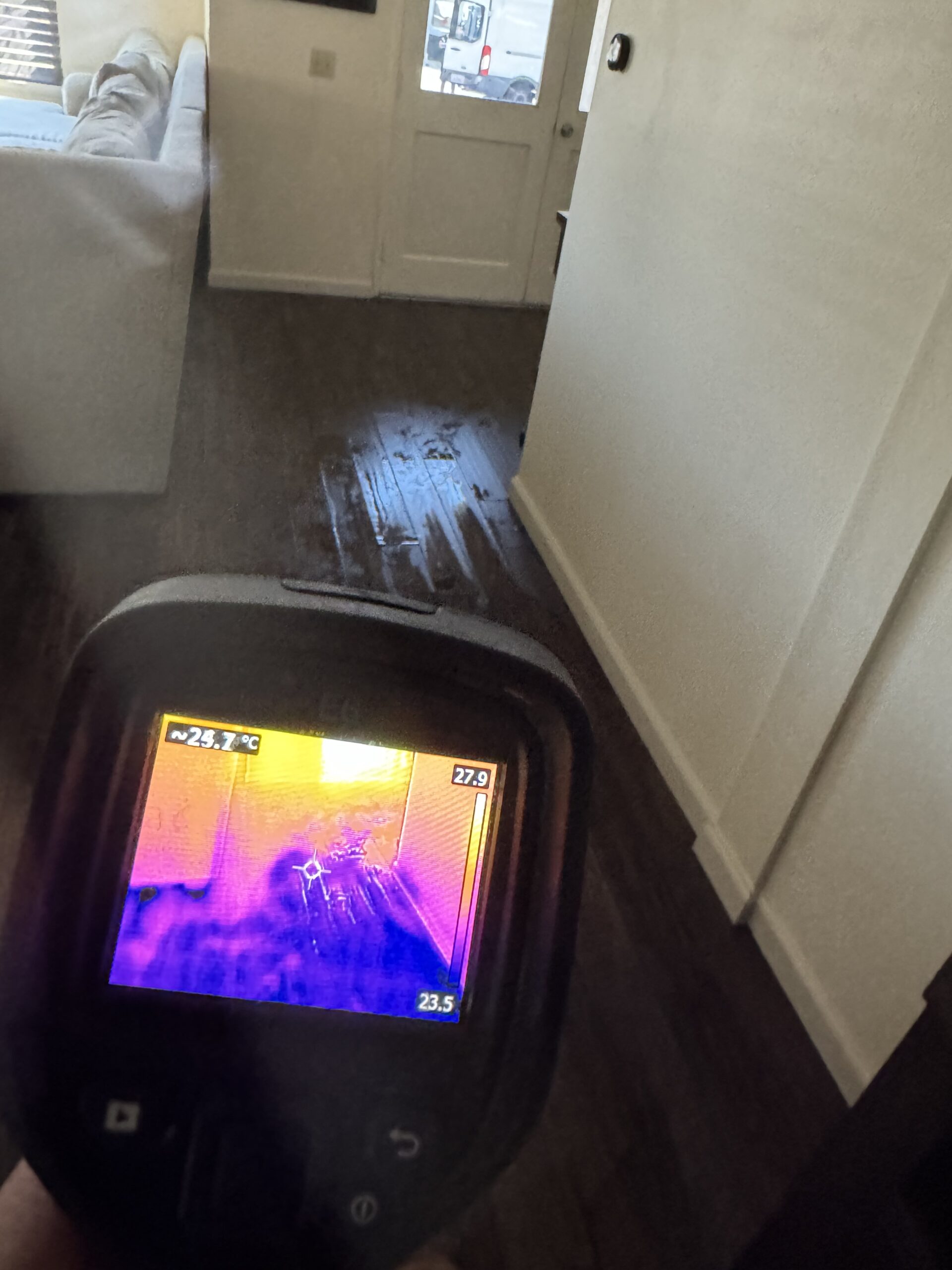
911 Restoration of Riverside County may use moisture meters, infrared screening, physical inspection, and the documented path of the water to help identify areas requiring further evaluation.
Moisture Meters
Moisture meters can help identify building materials with elevated moisture levels and compare them with known dry areas.
Infrared Screening
Infrared cameras can identify temperature differences across walls, ceilings, and floors that may indicate areas requiring additional investigation.
Infrared imaging does not directly identify sewage contamination or see water through a wall. Findings should be evaluated alongside moisture readings and physical inspection.
What Happens During Professional Sewage Cleanup?
The exact process depends on the size and conditions of the loss, but a professional sewage restoration project may involve containment, extraction, material removal, detailed cleaning, air filtration, drying, monitoring, and reconstruction.
1. Establish the Work Area
When appropriate, plastic containment or other protective measures may be used to separate the affected area from portions of the property that were not impacted.
This can help control debris and the restoration work area during demolition and cleaning.
2. Remove Standing Sewage or Wastewater
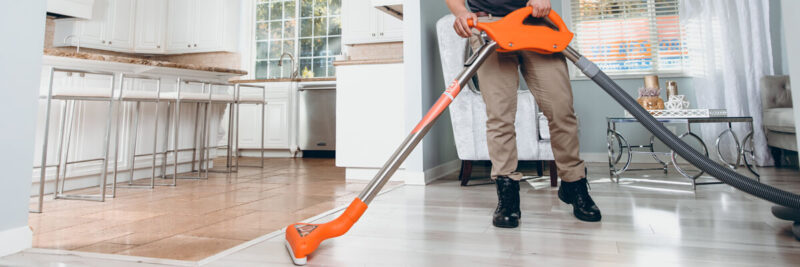
Standing contaminated water may need to be extracted using equipment appropriate for the conditions of the loss.
Removing the liquid water is an important first step, but it does not necessarily complete the cleanup because porous building materials may have absorbed contaminated water.
3. Evaluate Affected Building Materials
Materials are evaluated based on their porosity, degree of contamination, condition, and whether they can be appropriately cleaned and restored.
Common materials that may require evaluation include drywall, insulation, carpet, carpet padding, baseboards, flooring systems, cabinetry, subflooring, and other porous materials.
4. Perform Controlled Material Removal When Necessary
Porous materials that have absorbed sewage-contaminated water may require removal rather than simply being dried in place.
The mitigation scope should be based on the actual affected area rather than automatically demolishing portions of the home that were not impacted.
5. Clean Remaining Structural Surfaces
After contaminated materials are removed, remaining structural surfaces can be cleaned using procedures appropriate for the conditions found at the property.
The purpose is to address contamination on materials that remain in the structure before the drying and reconstruction phases continue.
6. HEPA Vacuuming and Air Filtration
HEPA vacuuming may be used to remove fine particulate matter from surfaces during the restoration process.
Air filtration devices may also be used where appropriate to help manage airborne particles within the controlled work area.
7. Structural Drying
Once contamination and affected materials have been addressed, remaining structural moisture still needs to be dried.
Professional air movers and dehumidifiers may be installed based on the size of the affected area and the moisture conditions found.
Air movers help moisture evaporate from wet materials, while dehumidifiers remove moisture from the surrounding air.
8. Monitor Moisture Conditions
Drying equipment should not simply be removed after a predetermined number of days.
Moisture readings and environmental conditions can be monitored to determine how remaining structural materials are responding to the drying process.
Does Sewage-Contaminated Drywall Need to Be Removed?
Drywall is a porous building material. When it absorbs sewage-contaminated water, removal may be necessary depending on the extent and conditions of the loss.
The affected height and area should be based on actual contamination and moisture migration rather than automatically removing entire walls when they are not affected.
The materials behind the drywall, including insulation and framing, may also need to be evaluated.
Can Carpet Be Saved After a Sewage Backup?
Carpet and carpet padding are porous materials and can absorb contaminated water quickly.
When sewage has directly affected carpet or padding, removal is often considered because cleaning only the visible surface may not address contamination throughout the material.
The actual restoration approach should be based on the conditions of the loss.
What About Tile or Other Hard Flooring?
Nonporous finished surfaces may sometimes be capable of being cleaned, but the flooring system underneath them still needs to be considered.
Water may migrate through grout lines, transitions, perimeter gaps, or adjoining materials and affect underlayment, subflooring, adhesives, baseboards, or wall assemblies.
The finished floor appearing intact does not automatically mean the materials underneath it are unaffected.
Why Is Structural Drying Still Necessary After Sewage Cleanup?
Removing contaminated water does not automatically remove moisture from framing, subflooring, concrete, or other structural materials.
Remaining moisture can contribute to additional deterioration and create conditions that support microbial growth.
This is why professional sewage restoration includes both contamination control and moisture management.
Can a Sewage Backup Lead to Mold?
Yes, moisture remaining after a sewage loss can create conditions that support microbial growth.
The risk depends on factors such as humidity, temperature, materials affected, the amount of moisture present, and how quickly the loss is addressed.
Proper cleanup should therefore include identifying and addressing remaining moisture rather than focusing only on visible contamination.
Should Homeowners Clean Up a Sewage Backup Themselves?
A minor isolated plumbing spill is different from a sewage backup that has spread across flooring or entered building materials.
When contaminated water has affected drywall, flooring, cabinets, insulation, multiple rooms, or concealed areas, professional evaluation is appropriate because the damage may extend beyond what is visible.
Children and pets should be kept away from sewage-affected areas, and unnecessary contact with contaminated water should be avoided.
What Documentation Is Used During Sewage Restoration?
Professional restoration documentation may include initial condition photographs, moisture readings, affected-material measurements, mitigation photographs, drying equipment records, monitoring documentation, and post-mitigation photographs.
This information helps create a clear record of the conditions found and the work performed.
What Happens After Sewage Mitigation Is Complete?
If drywall, insulation, flooring, cabinets, baseboards, ceilings, or other materials were removed, the property will need reconstruction before it is fully restored.
911 Restoration of Riverside County provides both sewage mitigation and reconstruction services.
Reconstruction can include replacing drywall, insulation, flooring, cabinetry, trim, texture, paint, and other affected finishes after the mitigation and drying phases have been completed.
Does Homeowners Insurance Cover Sewage Cleanup?
Coverage depends on the cause of the sewage loss and the specific terms of the homeowners insurance policy.
Some policies may include sewer or drain backup coverage through an endorsement or additional coverage, while other losses or causes may be excluded.
911 Restoration of Riverside County can document the damage and restoration work performed, but the insurance carrier ultimately determines whether the loss is covered.
Professional Sewage Cleanup in Riverside County
911 Restoration of Riverside County provides sewage backup cleanup, contaminated-water mitigation, structural drying, affected-material removal, cleaning, documentation, and reconstruction for residential property losses.
Our team handles sewage-related damage from toilet overflows, drain backups, sewer backups, and other contaminated-water events throughout our service area.
If sewage has entered your home, 911 Restoration of Riverside County can evaluate how far the contamination and moisture traveled and establish the appropriate cleanup, drying, and reconstruction plan based on the conditions found.
Frequently Asked Questions
What does professional sewage cleanup include?
Professional sewage cleanup can include containment, wastewater extraction, removal of contaminated porous materials when necessary, surface cleaning, HEPA vacuuming, air filtration, structural drying, moisture monitoring, documentation, and reconstruction.
Is sewage considered Category 3 water?
Sewage and water containing gross contamination are commonly associated with Category 3 conditions. The actual classification should be based on the source and conditions of the specific loss.
Can sewage water be dried with fans?
Drying equipment alone does not address contaminated porous materials. Contamination should first be evaluated and appropriately addressed before structural drying proceeds.
Does drywall need to be removed after a sewage backup?
Drywall that has absorbed sewage-contaminated water may require removal. The appropriate scope depends on how far contamination and moisture traveled through the material.
Can 911 Restoration of Riverside County rebuild after sewage cleanup?
Yes. 911 Restoration of Riverside County provides sewage mitigation and reconstruction services, allowing affected areas to move from cleanup and structural drying into rebuilding after appropriate restoration conditions have been reached.
This article provides general property-restoration information. The correct scope for a specific loss depends on the source of damage, water category or contamination conditions, affected materials, building assembly, duration of exposure, moisture readings, and other site conditions.