We Start With Conditions
We inspect the affected areas and begin with what is actually happening in the property before determining the restoration scope.
Property damage is disruptive enough. Our job is to make the restoration process easier to understand — with clear communication, documented conditions, practical next steps, and one team that can stay involved from mitigation through reconstruction.
A water loss, sewage backup, fire, mold concern, or damaged commercial space is not just a construction problem. It interrupts normal life, creates questions about what is wet or damaged, and often brings insurance, repairs, scheduling, and access decisions into the same conversation.
That is why our approach is built around more than removing damaged material or setting equipment. We want property owners to understand what we found, what we are doing, what we are documenting, and what happens next.
That same mindset carries through water damage restoration, mold remediation, fire and smoke damage restoration, sewage cleanup, and reconstruction.
Every loss is different, but the customer experience should not feel like guesswork.
We inspect the affected areas and begin with what is actually happening in the property before determining the restoration scope.
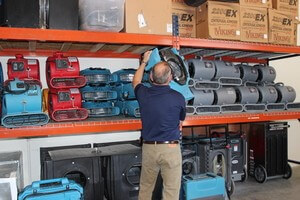
When materials need drying, cleaning, removal, or repair, the goal is to explain why the step is being recommended instead of leaving you guessing.
Photos, moisture information, drying records, affected-material details, and estimating documentation help create a clearer project record.
When reconstruction is needed, the project can continue beyond mitigation into drywall, flooring, paint, trim, cabinets, and other interior repairs.
Our website is organized so homeowners, property managers, and commercial clients can go directly to the service that matches the loss.
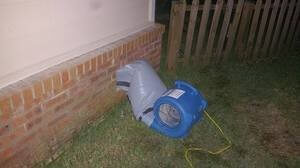
When water is moving through a ceiling, flooring is wet, smoke has affected a room, or mold is found behind a building material, the first questions are usually simple: How bad is it? What needs to happen? What can be saved? How long will this take?
We believe those questions deserve straightforward answers. The technical work matters, but so does keeping the homeowner, tenant, property manager, or business owner informed as the project moves forward.
Contact Our TeamTrust is easier to build when customers can see how a restoration company works. That is why our site includes real project photos, restoration case studies, service-specific explanations, and practical property-damage resources.
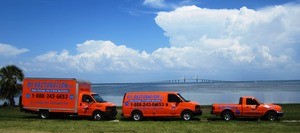
Our local pages are built around the communities we serve, including Riverside, Corona, Norco, Eastvale, Jurupa Valley, Mira Loma, Woodcrest, Perris, Ontario, Rancho Cucamonga, Chino, Chino Hills, Temescal Valley, Lake Mathews, Home Gardens, and El Sobrante (Riverside County).
Explore Service AreasProperty types, access, building materials, neighborhood layouts, and the way water or fire moves through a structure can vary from one property to another. Our city and service-area pages connect customers with information that is relevant to the type of restoration help they are looking for.
Direct answers about our local restoration services, documentation process, insurance support, and reconstruction capabilities.
Yes. The Riverside County team is locally operated and serves homes and commercial properties throughout Riverside County and nearby Inland Empire communities while operating under the 911 Restoration brand.
Our services include water damage restoration, mold remediation, fire and smoke damage restoration, sewage cleanup, commercial restoration, and reconstruction after mitigation.
Yes. When repairs are needed after mitigation, our team can continue into reconstruction so the property owner has a clearer path from emergency response through interior repairs and finishes.
Depending on the loss, documentation can include inspection photos, moisture readings, drying records, affected-material information, equipment documentation, and restoration estimating information.
We can provide restoration documentation and estimating information for an insurance claim. Coverage decisions are made by the insurance carrier under the terms of the policy.