Quick answer: Yes. Hidden moisture behind walls, under flooring, inside cabinets, above ceilings, or in other concealed areas can create conditions that support mold growth. The key is not simply removing visible mold. The moisture source must be identified and corrected, affected materials must be evaluated, and the area must be properly dried.
911 Restoration of Riverside County provides moisture inspection, water damage restoration, mold remediation, structural drying, and reconstruction for homes affected by leaks, appliance failures, plumbing problems, and other moisture-related damage.
Why Does Moisture Lead to Mold Problems?
Mold needs moisture to grow. When drywall, wood, insulation, cabinetry, flooring, or other building materials remain damp, conditions can become favorable for microbial growth.
The moisture does not have to come from a major flood. Mold-related conditions can develop after relatively small problems such as:
- Slow plumbing leaks
- Leaks behind sinks or cabinets
- Water trapped underneath flooring
- Roof or window leaks
- Air-conditioning condensation problems
- Water heater leaks
- Appliance leaks
- Previous water damage that never fully dried
- Persistent high humidity
Can Mold Grow Where You Cannot See It?
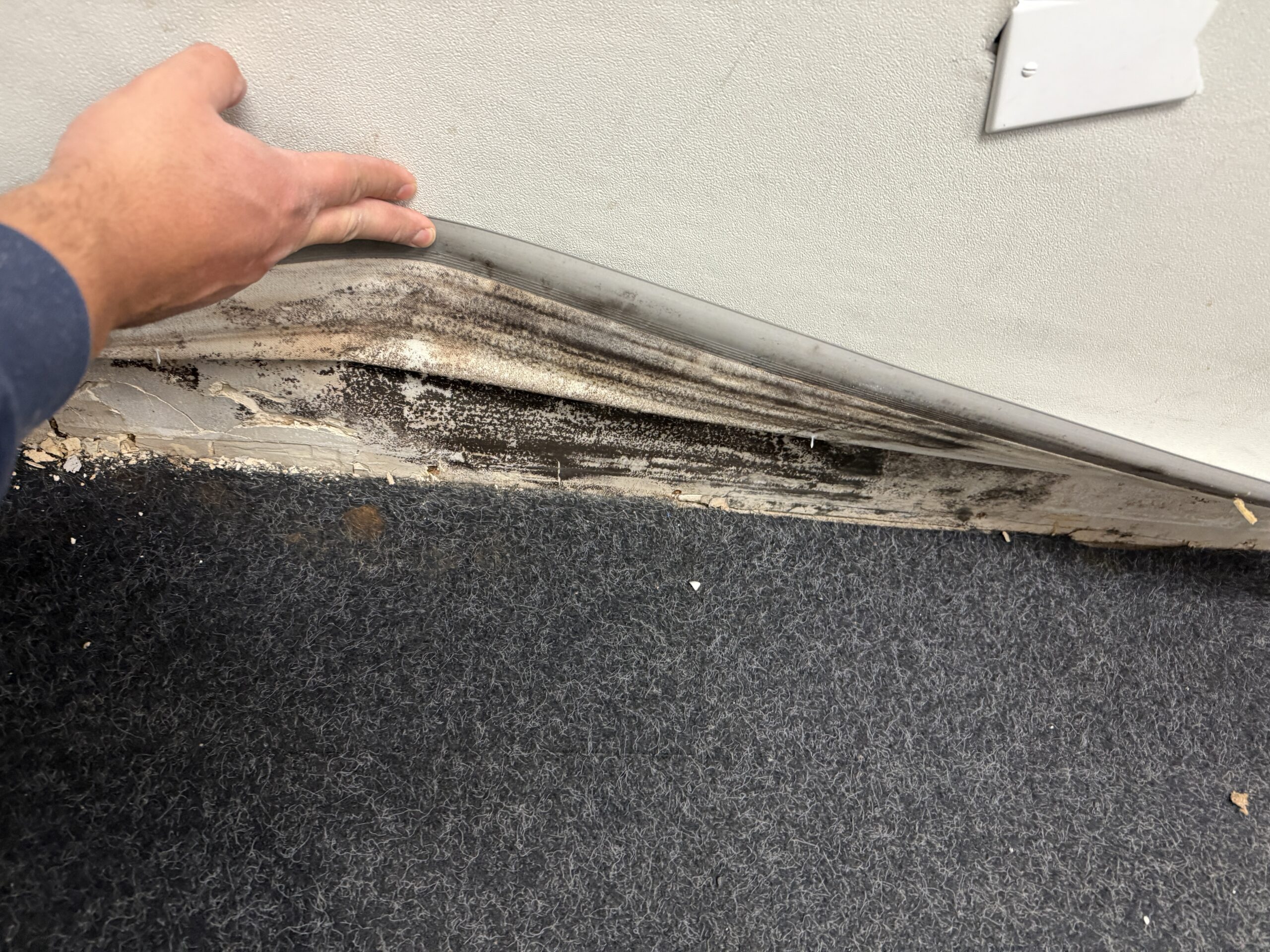
Yes. Mold can develop inside concealed areas when moisture remains present.
Common locations include:
- Behind drywall
- Inside wall cavities
- Under flooring
- Behind baseboards
- Under sinks
- Behind kitchen or bathroom cabinets
- Above ceilings
- Inside attic or crawl-space materials
This is why visible mold on the surface may represent only part of the moisture problem.
What Are Signs of Hidden Moisture and Mold?
Possible warning signs include:
- A persistent musty odor
- Discolored drywall or ceilings
- Peeling or bubbling paint
- Swollen baseboards
- Warped or separating flooring
- Visible spotting or microbial growth
- Cabinet materials swelling or deteriorating
- Recurring staining after repairs
- Unexplained elevated humidity
- A known leak or previous water loss
Not every stain or odor confirms mold, but these signs can indicate that further moisture investigation is needed.
How Do Professionals Find Hidden Moisture?
A proper moisture investigation should look beyond what is visible from the surface.
911 Restoration of Riverside County may use a combination of inspection methods to help determine where moisture has traveled.
Moisture Meters
Moisture meters help identify building materials with elevated moisture levels and compare affected areas with known dry materials.
They can also be used during structural drying to monitor whether affected materials are progressing toward appropriate moisture conditions.
Infrared Screening
Infrared cameras can identify temperature differences across walls, ceilings, and floors that may indicate areas requiring additional investigation.
An infrared camera does not directly detect mold or see water through a wall. Suspected areas should be verified with moisture readings and physical inspection.
Physical Inspection
Restoration professionals also evaluate drywall, baseboards, flooring, cabinetry, insulation, framing, and other materials for visible signs of moisture migration or deterioration.
How Quickly Can Mold Develop After Water Damage?
There is no single timeline that guarantees mold will or will not develop after a water loss.
Temperature, humidity, airflow, the type of building material, existing conditions, and the amount of moisture present all influence microbial growth.
The safest approach is to address wet materials promptly rather than waiting for visible mold to appear.
Can High Humidity Cause Mold?
Persistent high relative humidity can contribute to conditions that support mold growth, especially on cooler surfaces or in poorly ventilated areas.
Humidity problems may occur in bathrooms, laundry rooms, attics, crawl spaces, closets, or rooms with inadequate ventilation.
If humidity remains elevated, simply cleaning visible growth may not solve the underlying problem. The moisture condition needs to be corrected.
Is Mold Remediation the Same as Water Damage Restoration?
No, although the two services are often connected.
Water damage restoration focuses on removing water and drying affected materials. Mold remediation focuses on controlling and removing microbial contamination and addressing the conditions that allowed it to develop.
A water loss that remains wet long enough may require both services.
What Happens During Mold Remediation?
The exact scope depends on the conditions found at the property, but mold remediation may involve several steps.
1. Identify the Moisture Source
The leak, condensation issue, or other moisture source must be corrected so the problem does not continue.
2. Determine the Affected Area
Moisture readings, visual observations, physical inspection, and other information help establish the extent of the affected materials.
3. Establish Containment When Necessary
Containment can help separate the work area from unaffected portions of the property during removal and cleaning procedures.
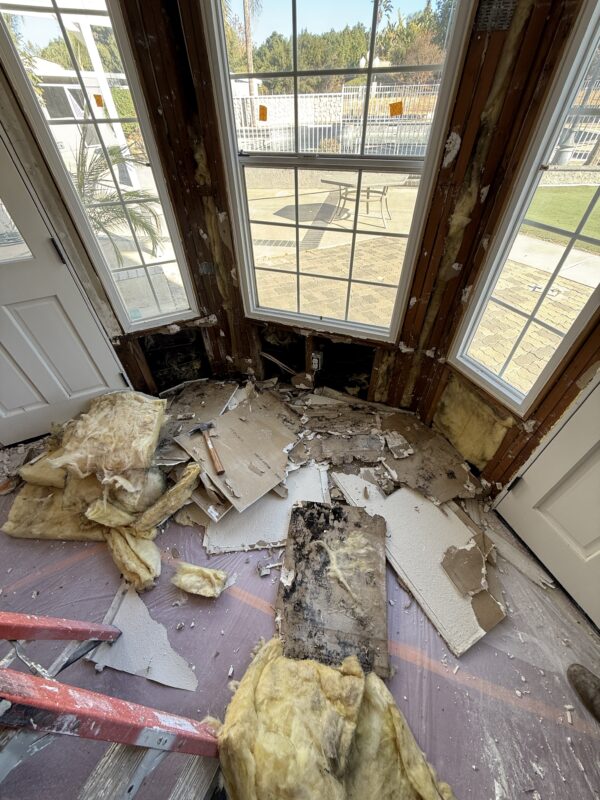
4. Remove Affected Materials When Appropriate
Porous building materials that are significantly affected or cannot be appropriately restored may require removal.
5. HEPA Vacuuming and Cleaning
HEPA vacuuming and detailed cleaning may be used as part of the remediation process to remove particulate matter from affected surfaces.
6. Air Filtration
Air filtration devices may be used when appropriate during remediation to help manage airborne particles within the controlled work area.
7. Structural Drying
Remaining structural materials must be appropriately dried so excess moisture is not left behind after remediation.
Does Every Mold Problem Require Demolition?
No. The scope should be based on the extent of the affected materials and actual conditions at the property.
A small localized issue may require a very different approach than mold affecting drywall, insulation, cabinets, flooring, and multiple wall cavities.
The goal should be to address affected materials without unnecessarily removing areas that are not impacted.
Can You Just Clean Mold With Bleach?
Household cleaning alone may not address a moisture problem or contamination that has entered porous building materials.
Even if visible staining improves, mold-related conditions can return if the underlying moisture source remains.
The first priority should be identifying why the material became wet and whether affected materials can be appropriately cleaned and dried.
Can You Paint Over Mold?
Painting over visible growth does not correct the moisture source or remove contamination from affected materials.
If microbial growth is present, the underlying conditions should be evaluated and appropriate remediation completed before cosmetic repairs are performed.
Does Wet Drywall Always Need to Be Removed?
No. Whether drywall can be dried or requires removal depends on several factors:
- The source of the moisture
- How wet the material became
- How long it remained wet
- Whether microbial growth is present
- The condition of the drywall
- Whether insulation or framing behind it is affected
- Whether access is needed to address concealed moisture
A moisture inspection can help determine the appropriate approach before unnecessary demolition begins.
What Happens If Mold Is Found Under Flooring?
When moisture becomes trapped beneath flooring, the finished surface may hide conditions affecting the materials underneath it.
Depending on the flooring system, moisture or microbial growth may affect:
- Underlayment
- Subflooring
- Adhesives
- Baseboards
- Lower drywall
- Cabinet components
The flooring system should be evaluated to determine how far moisture traveled and which materials require drying, cleaning, or removal.
Why Is Structural Drying Important After Mold Remediation?
Removing affected materials without correcting the moisture condition leaves the underlying cause unresolved.
Professional structural drying can involve air movement, dehumidification, environmental monitoring, and repeated moisture readings.
Air movers help moisture evaporate from wet materials, while dehumidifiers remove moisture from the surrounding air.
Drying progress should be based on measured conditions rather than assuming an area is dry because it looks dry.
What Happens After Mold Remediation?
If drywall, flooring, insulation, cabinets, trim, or other building materials were removed during remediation, reconstruction may be necessary.
911 Restoration of Riverside County provides both restoration and reconstruction services, allowing a project to move from moisture investigation and remediation into repairs and rebuilding when required.
Reconstruction may include:
- Drywall replacement
- Insulation
- Flooring
- Baseboards and trim
- Cabinetry
- Texture and paint
- Other affected interior finishes
Should Mold Always Be Tested?
Not every situation requires laboratory testing. When visible growth and a clear moisture source are present, the conditions may already provide enough information to establish that remediation is needed.
Testing may be appropriate in certain circumstances when the extent or nature of the issue is unclear, verification is required, or another party requests additional documentation.
The appropriate approach depends on the specific property and reason for the evaluation.
Mold and Moisture Restoration in Riverside County
911 Restoration of Riverside County provides moisture inspection, water damage restoration, mold remediation, structural drying, and reconstruction for homes affected by leaks and moisture problems.
Our team can help evaluate hidden moisture, identify affected materials, establish containment when appropriate, perform controlled material removal, use HEPA filtration and cleaning procedures, dry remaining structural materials, document the work, and complete reconstruction when necessary.
If you have discovered visible mold, a musty odor, or signs of hidden moisture, 911 Restoration of Riverside County can evaluate the affected areas and determine the appropriate restoration approach based on the conditions found.
Frequently Asked Questions
Can hidden moisture cause mold?
Yes. Moisture trapped behind walls, underneath flooring, inside cabinets, or in other concealed areas can create conditions that support mold growth when it remains present.
How do you know if mold is behind a wall?
Possible signs include musty odors, previous water damage, staining, deteriorating drywall, or elevated moisture readings. Further investigation may be necessary when hidden moisture is suspected.
Can an infrared camera detect mold?
No. Infrared cameras detect surface temperature differences, not mold. They can help identify areas requiring additional moisture investigation.
Will mold go away if the area dries?
Correcting moisture is essential, but drying alone does not necessarily remove existing microbial growth or contaminated materials. Existing conditions should be evaluated and remediated when necessary.
Can 911 Restoration of Riverside County handle mold and moisture damage?
Yes. 911 Restoration of Riverside County provides moisture inspection, water damage mitigation, mold remediation, structural drying, affected-material removal, cleaning, and reconstruction based on the conditions of the property.
This article provides general property-restoration information. The correct scope for a specific loss depends on the source of damage, water category or contamination conditions, affected materials, building assembly, duration of exposure, moisture readings, and other site conditions.