After discovering a leak or water damage, one of the most common concerns homeowners have is whether mold will develop. Water damage does not automatically mean a home has a mold problem, but moisture that remains in building materials can create conditions that allow microbial growth to develop.
How quickly the water is discovered, what materials became wet, humidity levels, temperature, and how effectively the affected areas are dried can all influence what happens after a water loss.
Why Can Mold Develop After Water Damage?
Moisture is one of the primary conditions needed for mold growth. When materials such as drywall, wood, insulation, cabinetry, or flooring remain damp, they can create an environment where microbial growth may occur.
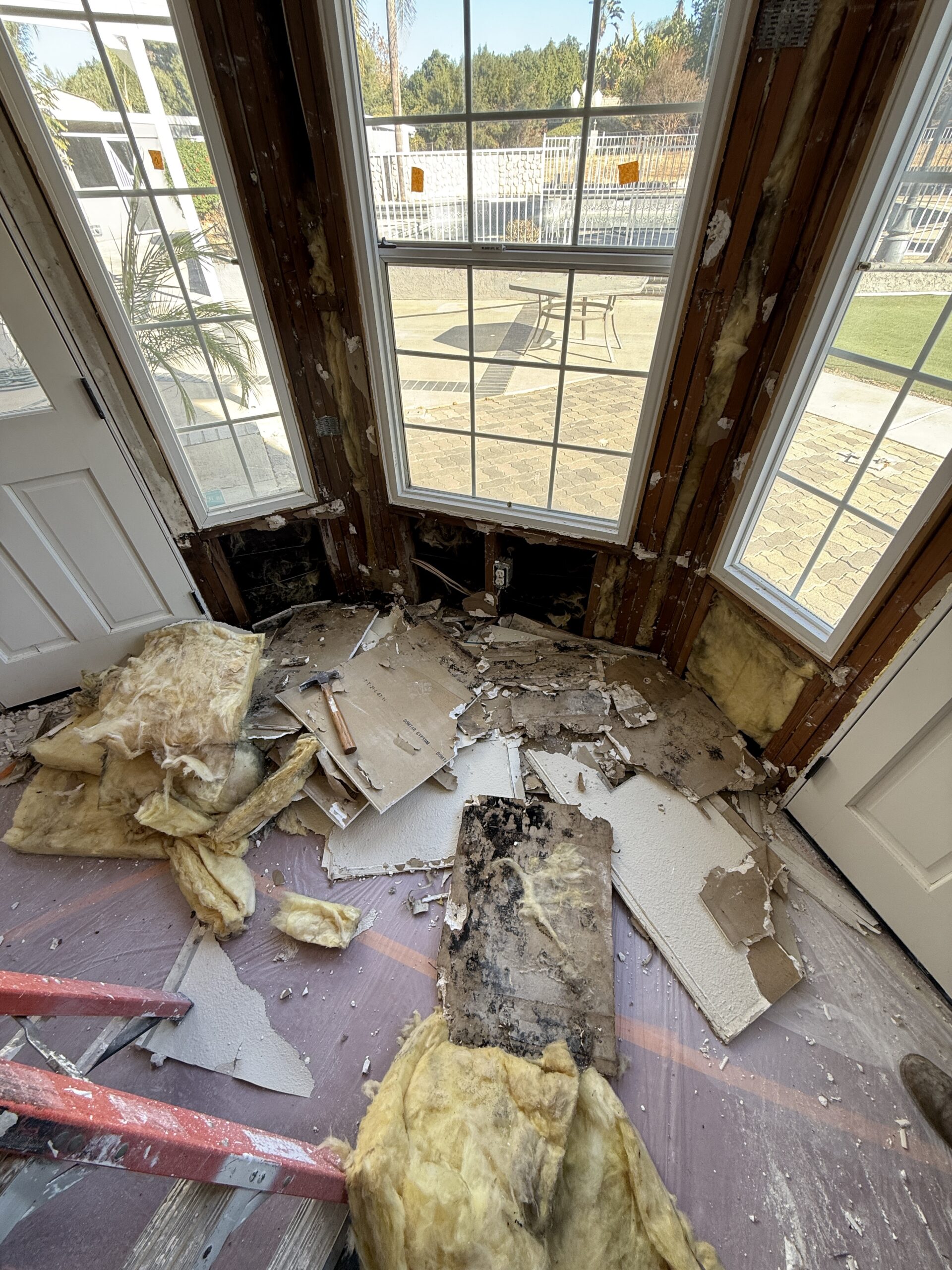
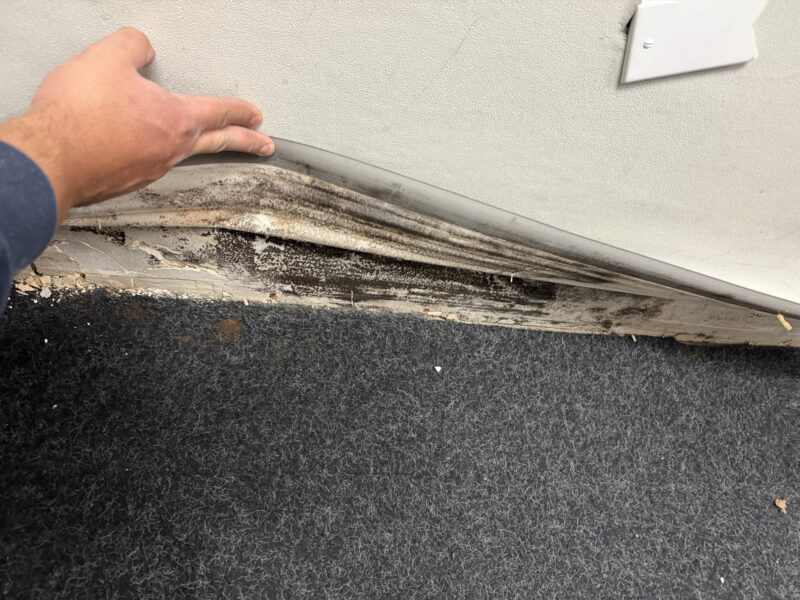
The problem is not always limited to materials you can see. Water can travel underneath flooring, behind baseboards, into wall cavities, and through adjoining rooms.
That is why simply wiping up visible water may not completely address a water loss.
How Quickly Can Mold Develop After Water Damage?
There is no single amount of time that guarantees mold will or will not develop after a water loss. Conditions inside every property are different.
Temperature, relative humidity, airflow, the type of building materials affected, existing conditions, and the amount of moisture present can all influence microbial growth.
Instead of waiting to see whether mold appears, wet building materials should be evaluated and drying should begin as soon as reasonably possible.
What Building Materials Are Most Vulnerable?
Many materials found inside homes can absorb or retain moisture. Materials commonly evaluated after a water loss include:
- Drywall and drywall paper
- Insulation
- Wood framing
- Baseboards and trim
- Carpet and carpet padding
- Laminate and other flooring materials
- Cabinetry
- Subflooring
Whether these materials can be dried or require removal depends on their condition, the source of the water, the extent of saturation, and other conditions surrounding the loss.
What Are Signs of Mold After Water Damage?
Possible signs of a moisture or microbial problem can include:
- Visible spotting or discoloration
- A persistent musty odor
- Discoloration around drywall or baseboards
- Damaged or deteriorating building materials
- Previous water damage that never completely dried
- Elevated moisture or humidity in the affected area
Not every stain or discoloration is mold. When the cause is uncertain, further evaluation may be appropriate.
Can Mold Be Hidden Behind Drywall?
Yes. Moisture can enter wall cavities through plumbing leaks, appliance failures, roof leaks, or water traveling from another area of the property.
The visible surface of a wall may not show the full extent of the moisture inside it.
Restoration professionals may use moisture meters, infrared imaging, visual observations, and other inspection methods to help identify areas requiring additional investigation.
Does Wet Drywall Need to Be Removed to Prevent Mold?
Not necessarily. Wet drywall does not automatically require removal.
The appropriate approach depends on the source of the water, the amount of moisture present, how long the material has remained wet, whether the material has deteriorated, and whether access to the wall cavity is necessary.
Some materials may be successfully dried, while others may need to be removed as part of the restoration process.
How Is a Water-Damaged Home Dried?
Professional water mitigation begins by determining where moisture has traveled and addressing the source of the water.
Depending on the loss, the restoration process may include:
- Water extraction
- Removal of affected materials when necessary
- Air movers to increase airflow
- Commercial dehumidification
- Monitoring temperature and relative humidity
- Taking moisture readings from affected materials
Drying progress should be evaluated using moisture measurements rather than determining that an area is dry based only on appearance.
What If Mold Is Already Present?
If visible or suspected microbial growth is discovered, the situation may require procedures beyond normal structural drying.
Depending on the conditions, mold remediation can involve containment of the affected area, air filtration, removal of affected materials, HEPA vacuuming, cleaning, and other remediation procedures.
The appropriate scope should be based on the conditions found at the property rather than automatically treating every water loss as a mold remediation project.
How Can You Reduce the Risk After a Water Loss?
The most important step is addressing the water problem promptly.
Stop the source when it is safe to do so, remove standing water, identify which materials became wet, and begin appropriate drying. Areas that appear unaffected should also be evaluated when there is reason to believe water may have traveled underneath or behind building materials.
Water Damage and Mold Help in Riverside County
911 Restoration of Riverside County provides water damage restoration and mold remediation services throughout Riverside County and surrounding communities.
Our team can inspect affected areas, take moisture readings, use infrared imaging to assist with the inspection, document the damage, and determine the appropriate restoration approach based on conditions at the property.
If your home recently experienced water damage or you have discovered suspected mold, call 911 Restoration of Riverside County for an inspection.
Frequently Asked Questions
Does every water leak cause mold?
No. A water leak does not automatically result in mold growth. The conditions surrounding the loss, including moisture levels, drying, temperature, humidity, and the materials affected, all matter.
Can mold grow underneath flooring after water damage?
Moisture can become trapped underneath certain flooring materials. If the area remains damp, conditions may become favorable for microbial growth. The flooring and materials underneath it may need to be evaluated after a significant water loss.
Can mold grow inside a wall without being visible?
Yes. Moisture can enter wall cavities without immediately producing obvious signs on the finished surface. Musty odors, previous water damage, staining, or elevated moisture readings may indicate that further investigation is necessary.
Should I use a household fan to dry water damage?
A household fan may provide airflow for a very small amount of surface moisture, but significant water damage can involve moisture inside materials and concealed areas. Professional drying equipment and moisture monitoring may be necessary depending on the extent of the loss.
What should I do if I find mold after a water leak?
First make sure the source of moisture has been addressed. Avoid disturbing significant visible growth unnecessarily, and have the affected area evaluated to determine the appropriate remediation approach.
This article provides general property-restoration information. The correct scope for a specific loss depends on the source of damage, water category or contamination conditions, affected materials, building assembly, duration of exposure, moisture readings, and other site conditions.