Property Damage Restoration Resources
Practical answers about water damage, mold remediation, fire and smoke damage, sewage cleanup, structural drying, insurance documentation, and reconstruction from 911 Restoration of Riverside County.
Property Damage Guides & Restoration Answers
Start with the type of property damage you are dealing with, then explore detailed articles and service information.
Fire & Smoke Guides
Fire cleanup, smoke and soot residue, odor control, damaged materials, and restoration after a fire.
← View All Resource ArticlesNo Fire & Smoke guides have been published yet.
New articles assigned to this topic will appear here automatically.
Quick Restoration Answers
Direct answers to common questions about water damage, mold, sewage, insurance documentation, and reconstruction.
How quickly should water damage be addressed?
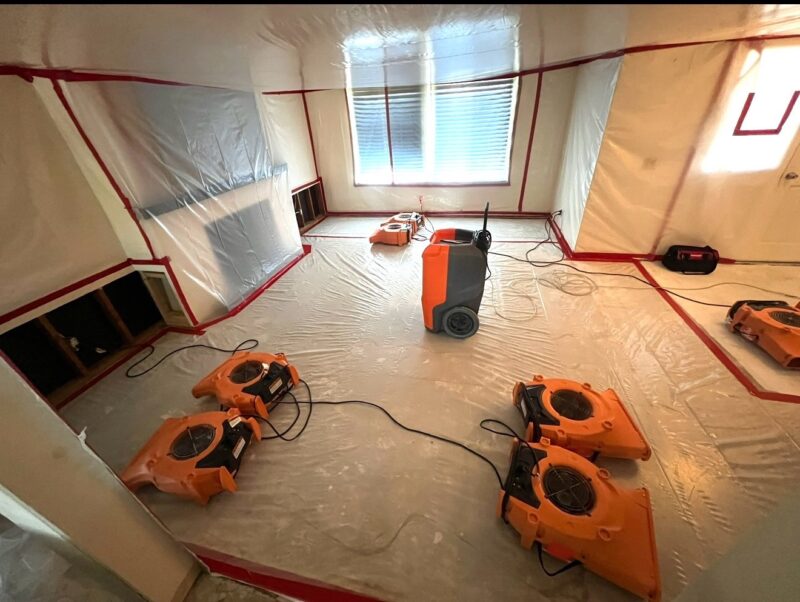
Water damage should be addressed as soon as practical because moisture can move into drywall, flooring, cabinets, insulation, and other porous building materials. Early inspection and moisture documentation can help define the affected area.
Can wet drywall always be dried in place?
No. Whether drywall can remain depends on the water category, level of saturation, physical damage, contamination, insulation behind the wall, and other job conditions.
How fast can mold grow after water damage?
Mold growth depends on moisture, temperature, the material involved, and how long conditions remain favorable. The priority after a water loss is to identify and control the moisture source and dry affected materials as quickly as practical.
What should I do after a sewage backup?
Avoid direct contact with sewage-contaminated water or materials, keep children and pets out of the affected area, and arrange for professional evaluation and cleanup. Porous materials affected by sewage may require removal depending on the conditions.
What happens after mitigation is complete?
When damaged materials have been removed and the property is ready for repairs, reconstruction can include drywall, texture, flooring, baseboards, painting, cabinets, doors, trim, and other interior finishes.
Do you provide documentation for insurance claims?
When a property loss involves insurance, restoration documentation can include photographs, moisture readings when applicable, drying records, affected-material information, scope details, and estimating support. Coverage is determined by the insurance carrier and the policy.
Serving Riverside County & the Inland Empire
Our resources support the same property damage services we provide throughout Riverside County and nearby Inland Empire communities.
See Restoration Case Studies
See real project documentation showing property damage conditions, mitigation steps, moisture evaluation, drying, cleanup, and reconstruction.