Drywall
Some drywall can be dried in place. Removal may be appropriate when it is heavily saturated, damaged, contaminated, conceals wet insulation, or cannot be dried effectively within the assembly.
Emergency water removal, moisture inspection, structural drying, documentation, and reconstruction for Norco homes, businesses, and larger-lot properties.
If water is still entering the property and it can be stopped safely, shut off the appropriate water source. Avoid electrical hazards and contaminated water. Document the visible conditions and arrange a moisture inspection before assuming the affected area is limited to what can be seen on the surface.
Active water damage? Call (951) 228-4583 →Norco’s mix of conventional neighborhoods, hillside homes, larger lots, animal-keeping properties, garages, utility areas, and detached structures can create different access and drying conditions from a typical dense suburban tract. The restoration plan should follow where the water actually traveled and which building materials were affected.
A leak that starts near a bathroom, laundry area, water heater, kitchen, garage, or supply line may affect adjoining rooms or concealed materials before the full extent is visible. Moisture readings help determine whether materials can be dried or need additional access.
Water heaters and utility-area plumbing can affect drywall, platforms, garage finishes, adjoining rooms, and nearby flooring.
Fixture, drain, and supply-line failures can spread beneath cabinets, baseboards, flooring, and wall assemblies.
On larger properties, the affected area may involve longer runs between the source, adjoining rooms, garages, or secondary structures.
Slow or concealed leaks may require targeted moisture testing when staining or swelling does not show the full footprint.
Water can migrate beneath flooring, behind baseboards, into drywall, around cabinets, through ceiling assemblies, and into insulation or other concealed materials. A surface that looks dry is not proof that the full assembly is dry.
Infrared imaging can help screen for temperature differences that deserve additional investigation. Moisture meters are then used to confirm and document whether materials are actually wet. The findings help define which areas can be dried and which may require additional access or removal.
Identify the source, visible damage, staining, swelling, damaged finishes, and obvious migration.
Look for temperature patterns that may require additional moisture testing.
Use appropriate moisture meters to confirm and document affected materials.
Use the findings to determine drying access, equipment needs, monitoring locations, and removal decisions.
The exact scope depends on the source, category of water, affected materials, building assembly, contamination conditions, and how far moisture has spread.
Confirm what happened, whether the source is controlled, and which rooms or building areas may be affected.
Document visible damage and use moisture-detection tools to help define affected materials.
Remove standing water and address materials that cannot appropriately remain in place based on project conditions.
Use air movement, dehumidification, filtration, and other drying controls appropriate for the structure.
Track moisture conditions and progress so equipment and scope decisions are based on actual project conditions.
Repair drywall, flooring, paint, cabinets, trim, and other finishes after mitigation is complete.
The water source, contamination, material condition, saturation, accessibility, building assembly, and ability to dry effectively all matter when determining what can remain in place.
Some drywall can be dried in place. Removal may be appropriate when it is heavily saturated, damaged, contaminated, conceals wet insulation, or cannot be dried effectively within the assembly.
Vinyl plank, laminate, hardwood, carpet, padding, tile assemblies, and subfloors behave differently after water exposure. The full assembly should be evaluated.
Toe kicks, cabinet boxes, backing, wall cavities, and flooring beneath cabinets can trap moisture and may require drying access or selective removal.
Wet insulation and enclosed cavities can change the drying strategy because surface conditions may not represent moisture inside the assembly.
Real project documentation shows how water damage is inspected, confirmed, mitigated, dried, and restored on local properties.
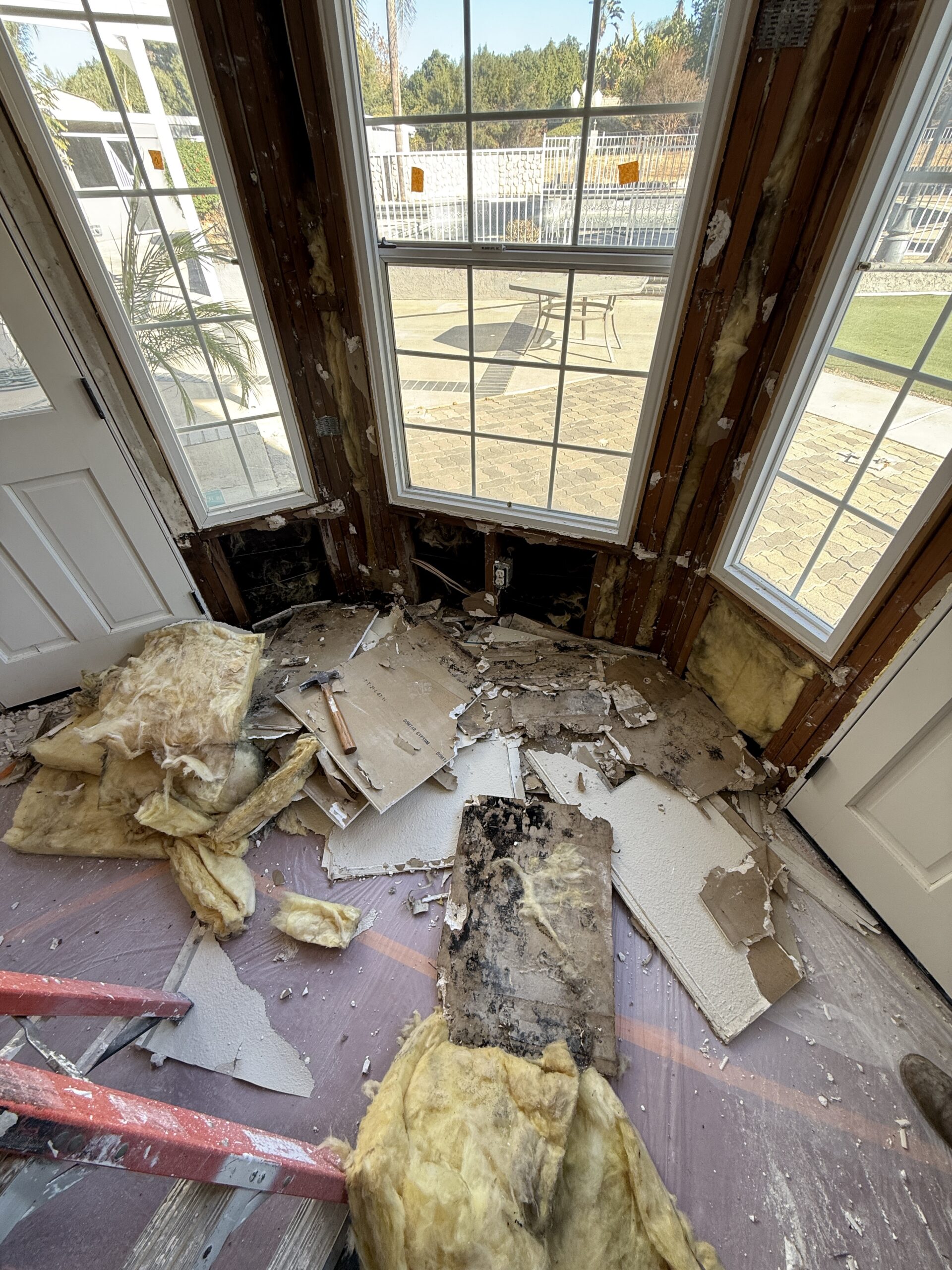
Moisture evaluation and documentation of affected building materials.
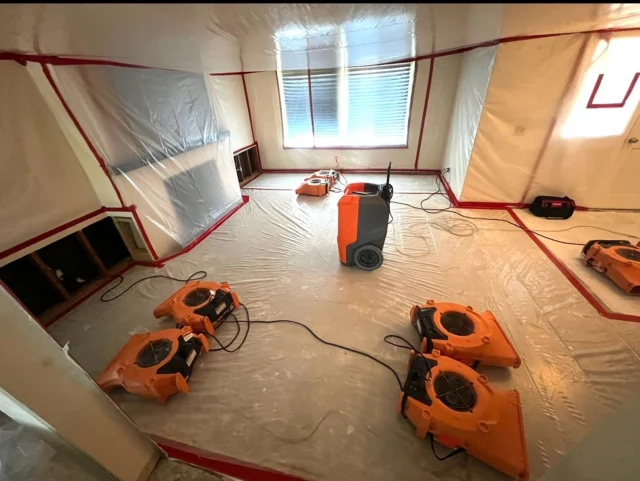
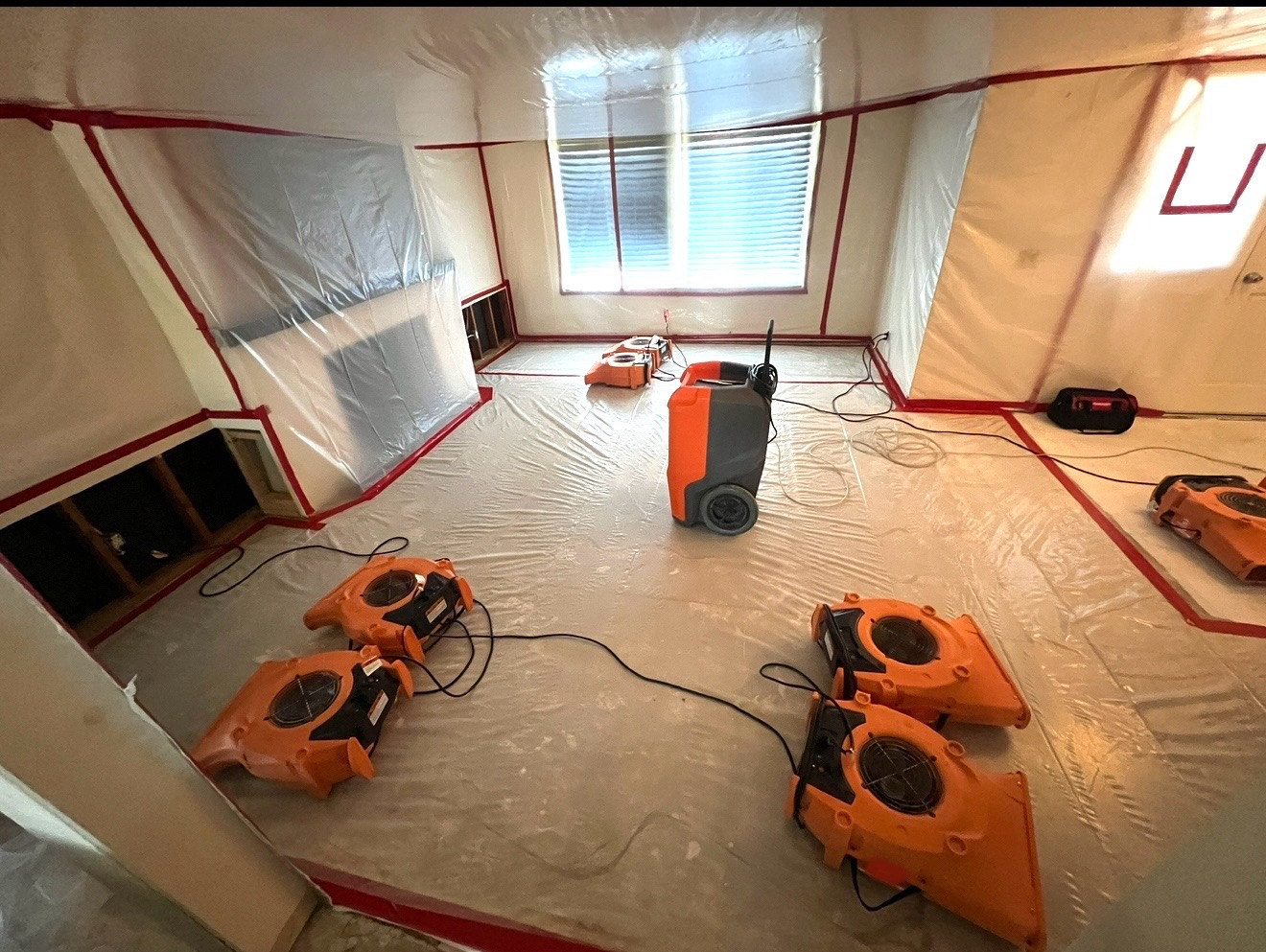
Thermal screening, moisture confirmation, equipment placement, and structural drying.
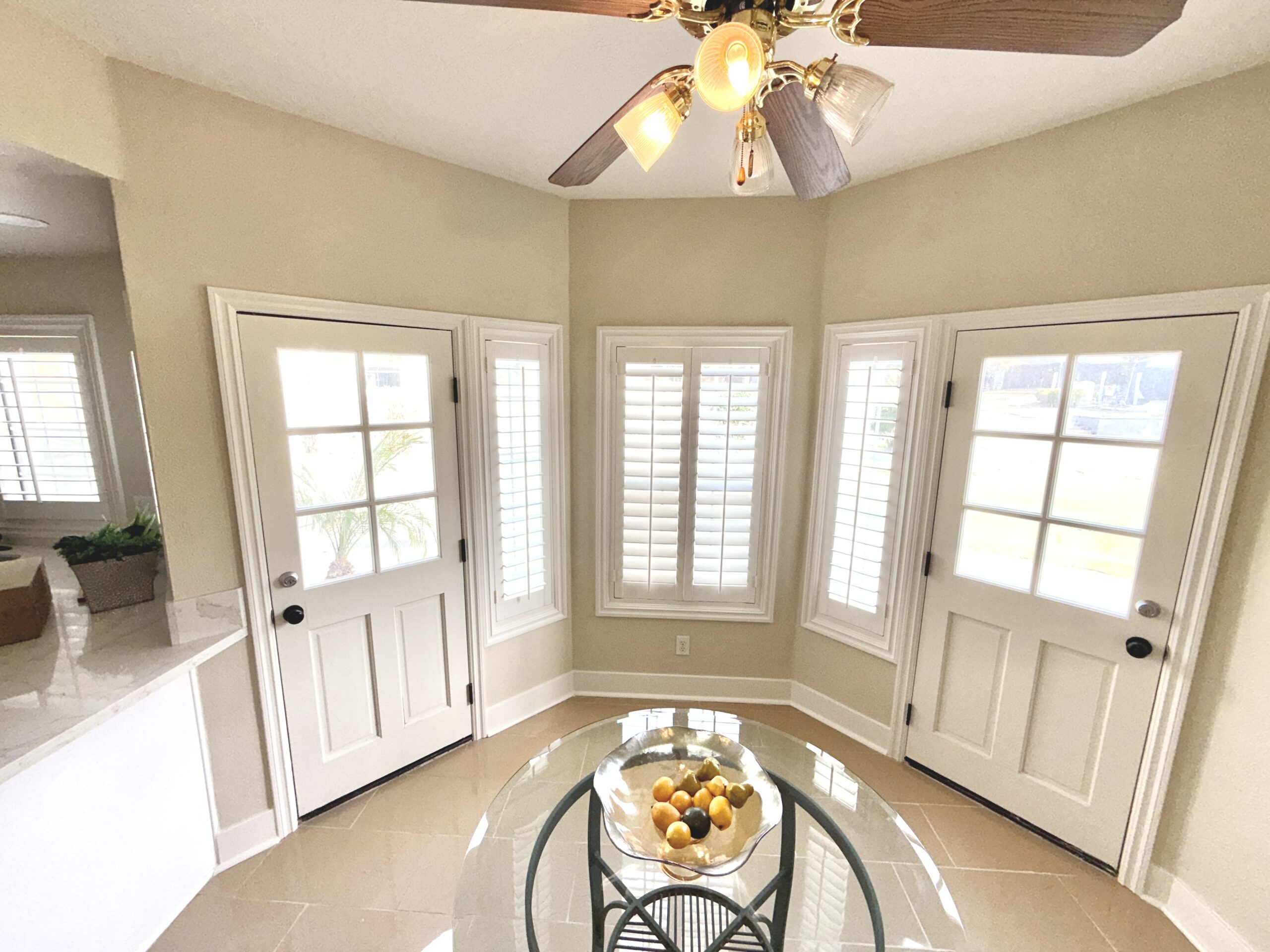
Affected-material removal, drying, documentation, and reconstruction when repairs are required.
View all real restoration projects →
As new Norco water-damage case studies are published through Real Projects, they will automatically replace these project highlights.
When a property loss involves insurance, project documentation can help explain what was affected and what restoration work was required. Depending on the project, the file can include inspection photos, moisture readings, drying documentation, affected-material details, equipment information, and estimating support.
Coverage and claim decisions are determined by the insurance carrier and the terms of the policy. We do not guarantee coverage.
Document visible conditions and affected rooms or building areas.
Record moisture readings and affected materials when applicable.
Document equipment, monitoring, and drying progress during mitigation.
Organize information for drywall, flooring, cabinets, painting, trim, and other reconstruction needs.
We serve residential and commercial properties throughout Norco and surrounding communities.
View All Norco Restoration ServicesLearn how moisture moves through building materials, when removal may be necessary, and what to expect during structural drying.
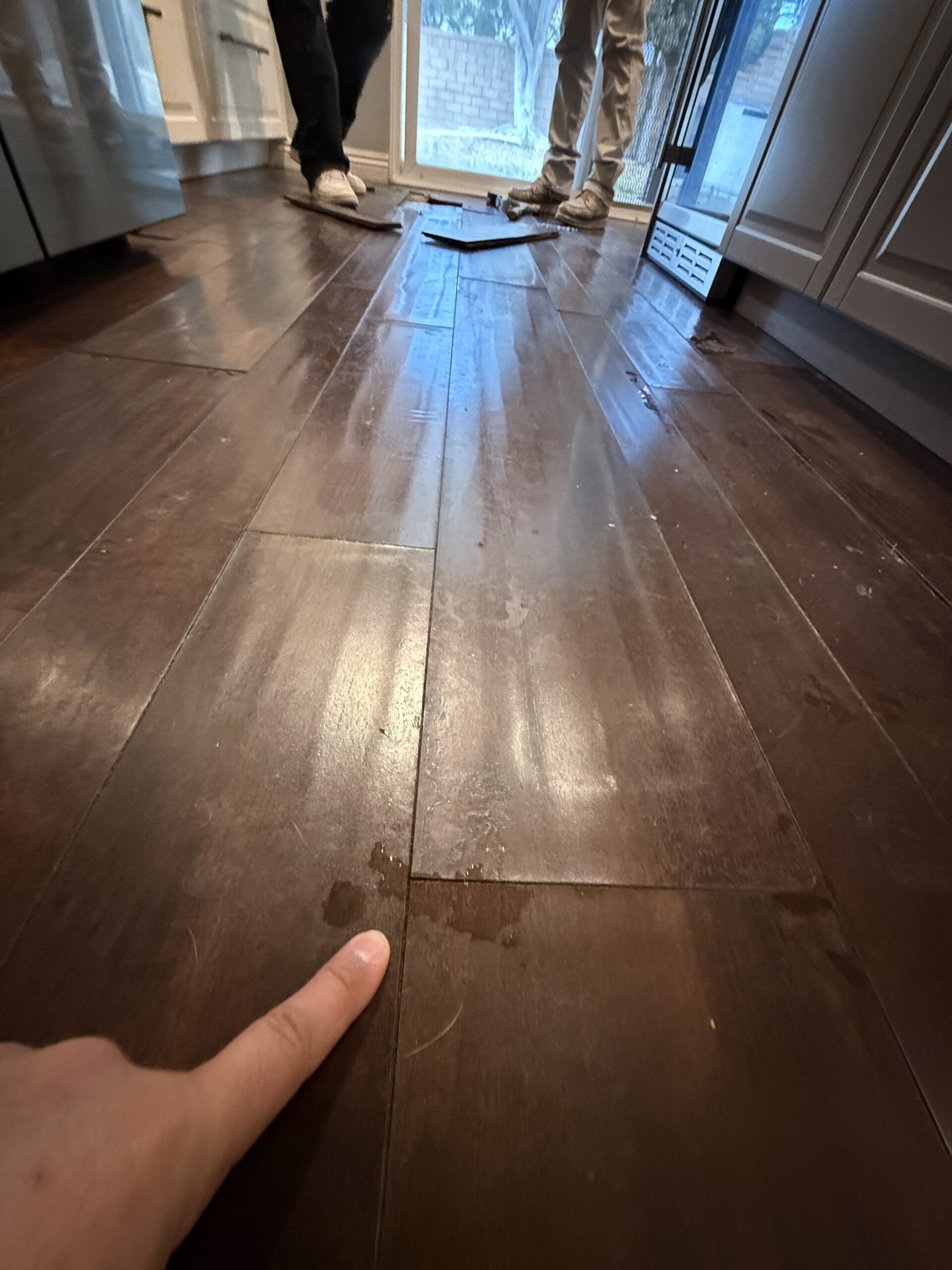
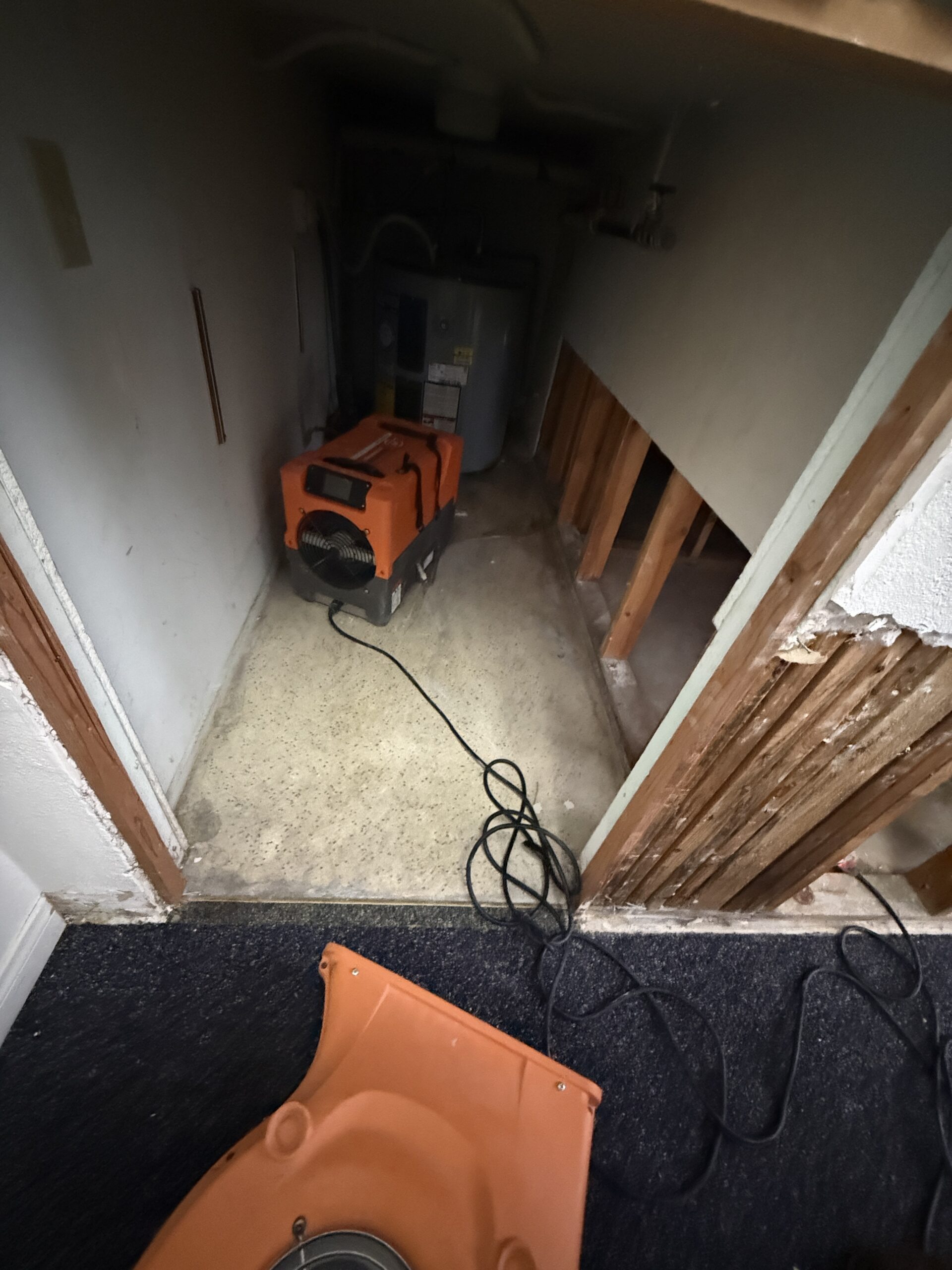
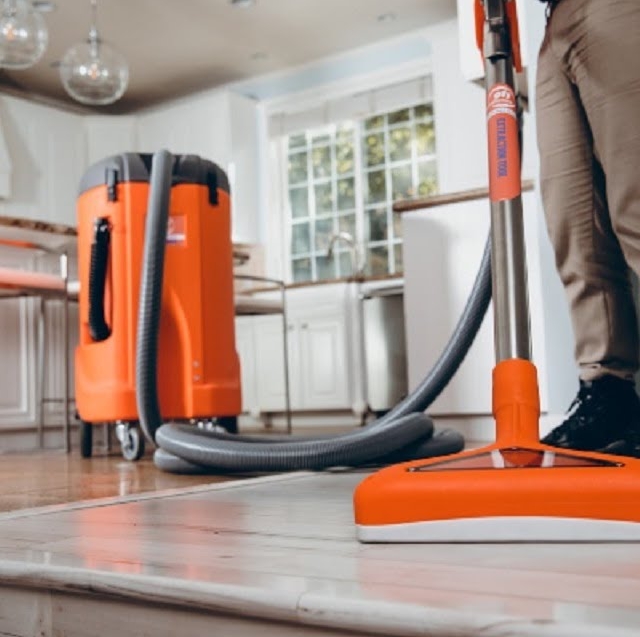
Direct answers to common questions about moisture detection, structural drying, affected materials, documentation, and reconstruction.
Yes. 911 Restoration of Riverside County provides 24/7 response for active water damage in Norco. Depending on the loss, work can include water extraction, moisture detection, structural drying, monitoring, affected-material removal, documentation, and reconstruction.
The inspection can use infrared imaging as a screening tool to identify temperature differences, followed by appropriate moisture meters to confirm and document whether building materials are actually wet.
No. The correct decision depends on the source and category of water, saturation, physical damage, insulation or cavity conditions, contamination, and whether the assembly can be dried effectively. Some drywall can be dried in place while other drywall should be removed.
It depends on the flooring system, underlayment, subfloor, amount and type of water, and how far moisture migrated. The full flooring assembly should be evaluated before deciding whether drying in place or removal is appropriate.
When applicable, the restoration file can include photos, moisture readings, affected-material information, equipment documentation, and drying records that show project conditions and progress.
When a loss involves insurance, we can organize project photographs, moisture information, drying records, affected-material details, scope information, and estimating support. Coverage is determined by the insurance carrier and the terms of the policy.
Yes. When materials must be removed, reconstruction can include drywall, texture, paint, flooring, baseboards, cabinets, trim, doors, and other interior finishes needed to restore the affected area.
We provide water damage restoration throughout Norco and the surrounding service area. The page below lists local communities and corridors commonly associated with this market.
For active water damage, call the 24/7 emergency line. For inspections, estimates, or reconstruction planning, send us the property details online.