Quick answer: Structural drying is the controlled process of removing excess moisture from building materials after water damage. It can involve water extraction, air movement, dehumidification, moisture monitoring, and removal of affected materials when necessary. The goal is not simply to make the room feel dry, but to return affected building materials to appropriate moisture conditions.
911 Restoration of Riverside County performs structural drying as part of the water damage restoration process for plumbing leaks, appliance overflows, burst pipes, toilet overflows, water heater failures, and other residential water losses.
Professional drying is important because water can remain inside drywall, flooring, framing, insulation, cabinetry, and other materials even after the visible water has disappeared.
What Does Structural Drying Mean?
Structural drying focuses on removing moisture from the building itself rather than only cleaning up standing water.
After a water loss, moisture may be present in:
- Drywall
- Wood framing
- Subflooring
- Flooring systems
- Ceilings
- Insulation
- Cabinetry
- Wall cavities
- Baseboards and trim
Some of these materials may appear dry on the surface while still containing elevated moisture internally.
Is Removing Standing Water Enough?
No. Water extraction and structural drying are related, but they are not the same thing.
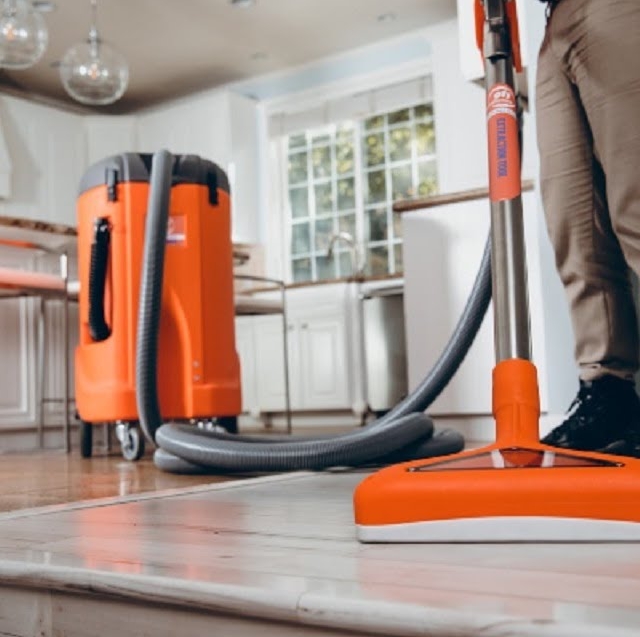
Water extraction removes liquid water. Structural drying addresses moisture that remains inside building materials and the surrounding environment.
For example, a plumbing leak may leave visible water on the floor. Even after that water is extracted, moisture may still be present underneath flooring, inside drywall, or within wood framing.
That remaining moisture is what the structural drying process is designed to address.
How Do Restoration Professionals Know What Is Wet?
A professional water damage inspection involves more than looking for visible stains.
911 Restoration of Riverside County may use several inspection methods to help determine how far water traveled.
Moisture Meters
Moisture meters can help identify building materials with elevated moisture levels and compare affected areas with known dry materials.
These readings are also useful during the drying process because they allow technicians to track whether affected materials are actually becoming drier.
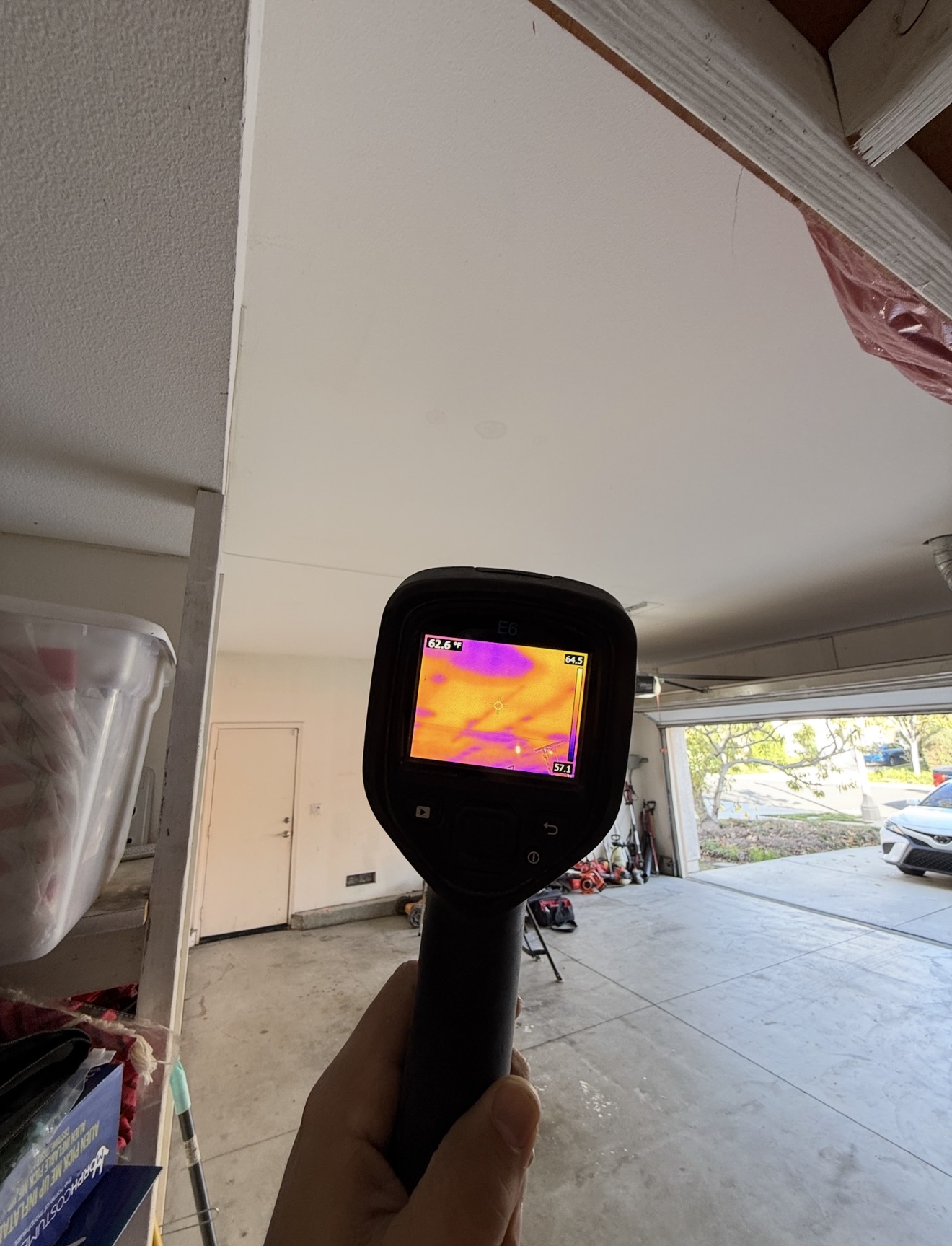
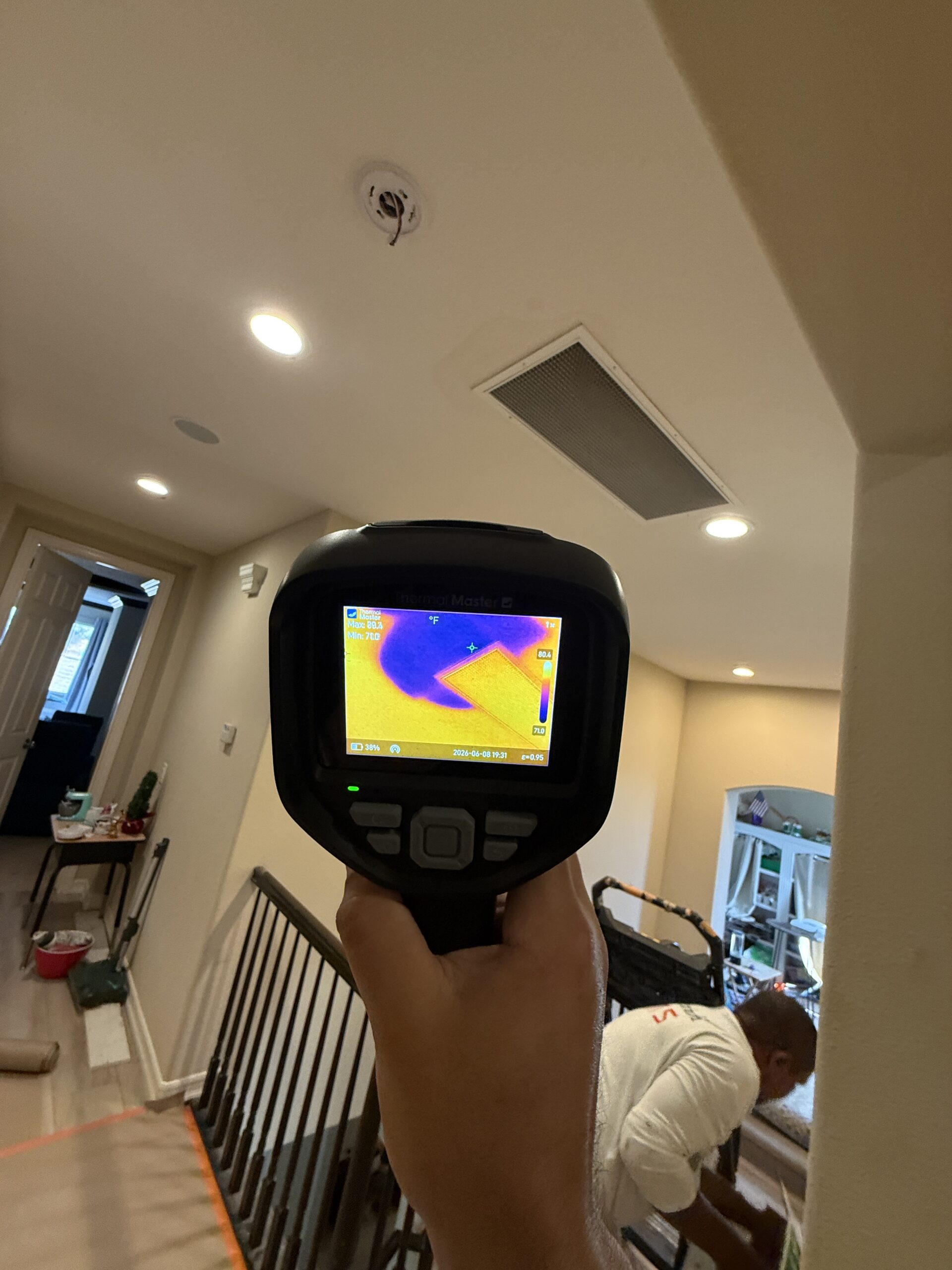
Infrared Screening
Infrared cameras can identify temperature differences across walls, ceilings, and floors that may indicate areas requiring additional investigation.
Infrared imaging does not directly see water through a wall. Suspected areas should be evaluated using moisture readings and physical inspection.
Visual and Physical Inspection
Restoration technicians also evaluate staining, swelling, damaged finishes, flooring movement, baseboards, wall cavities, and other physical signs of water migration.
What Equipment Is Used for Structural Drying?
The drying equipment used depends on the size of the loss, materials affected, moisture conditions, and layout of the property.
Air Movers
Air movers create controlled airflow across wet building materials.
This airflow helps moisture evaporate from affected surfaces so it can be removed from the environment through dehumidification.
Dehumidifiers
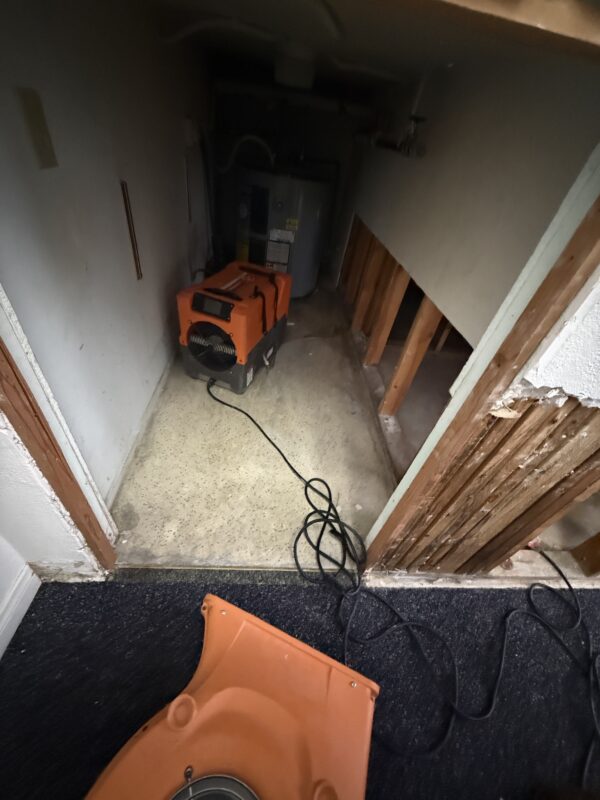
Professional dehumidifiers remove moisture from the air.
As moisture evaporates from wet materials, controlling humidity helps create conditions that support continued drying.
Air Filtration Equipment
Depending on the type of loss and restoration work being performed, air filtration equipment may also be used to help manage airborne particles during demolition, cleaning, or restoration.
Why Are Air Movers and Dehumidifiers Used Together?
Air movers and dehumidifiers perform different functions.
Air movers encourage moisture to leave wet materials, while dehumidifiers remove moisture from the surrounding air.
Using airflow without controlling humidity may be less effective because moisture being released from building materials needs somewhere to go.
The drying environment should therefore be evaluated as a system rather than simply placing fans around a room.
How Many Air Movers Does a Water Damage Job Need?
There is no single number of air movers that applies to every water loss.
The appropriate equipment setup can depend on:
- Size of the affected area
- Amount of water involved
- Materials affected
- Room configuration
- Environmental conditions
- Extent of demolition
- Remaining moisture levels
Professional drying equipment should be placed based on the conditions found at the property rather than using the same setup for every job.
Does Wet Drywall Always Need to Be Removed?
No. Structural drying does not automatically mean every wet material has to be demolished.
The decision to dry or remove a material can depend on:
- The water category
- The amount of saturation
- How long the material remained wet
- The condition of the material
- Whether contamination is present
- Whether moisture is trapped inside a wall cavity
- Whether access is required to properly dry the structure
Some materials can potentially be dried in place, while others may need to be removed before effective structural drying can occur.
Why Is Water Category Important During Drying?
The source and contamination level of the water can affect how a restoration project is handled.
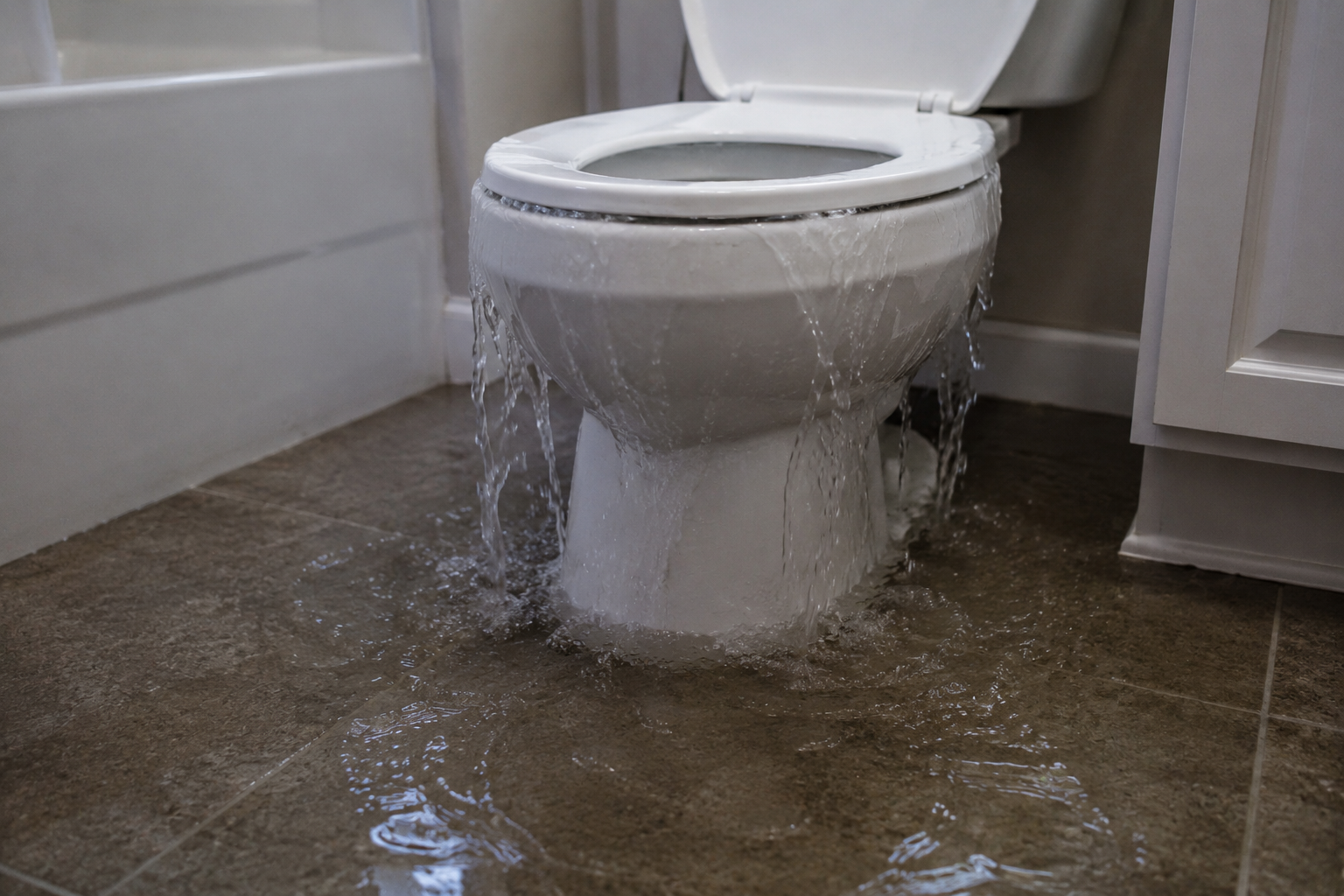
A clean-water plumbing loss may require a different restoration approach than water from a washing machine overflow, toilet overflow, or sewage backup.
Contaminated porous materials may require removal rather than simply being dried.
This is why 911 Restoration of Riverside County evaluates both moisture and the conditions surrounding the water source before establishing the restoration scope.
How Long Does Structural Drying Take?
There is no universal drying time for every water damage project.
Drying time can depend on:
- How much water entered the structure
- How quickly the loss was discovered
- The materials affected
- Temperature and humidity
- How much demolition was necessary
- Whether moisture entered concealed areas
- How the structure responds to drying
For that reason, drying equipment should not simply be removed after a predetermined number of days.
Moisture readings and environmental conditions should be used to evaluate drying progress.
How Do You Know When the Structure Is Dry?
A building material looking dry does not necessarily mean it has reached appropriate moisture conditions.
Restoration technicians can take repeated moisture readings during the drying process and compare affected materials with appropriate dry reference conditions.
Temperature and relative humidity may also be monitored to evaluate the drying environment.
This documentation provides a more objective way to determine drying progress than relying only on touch or appearance.
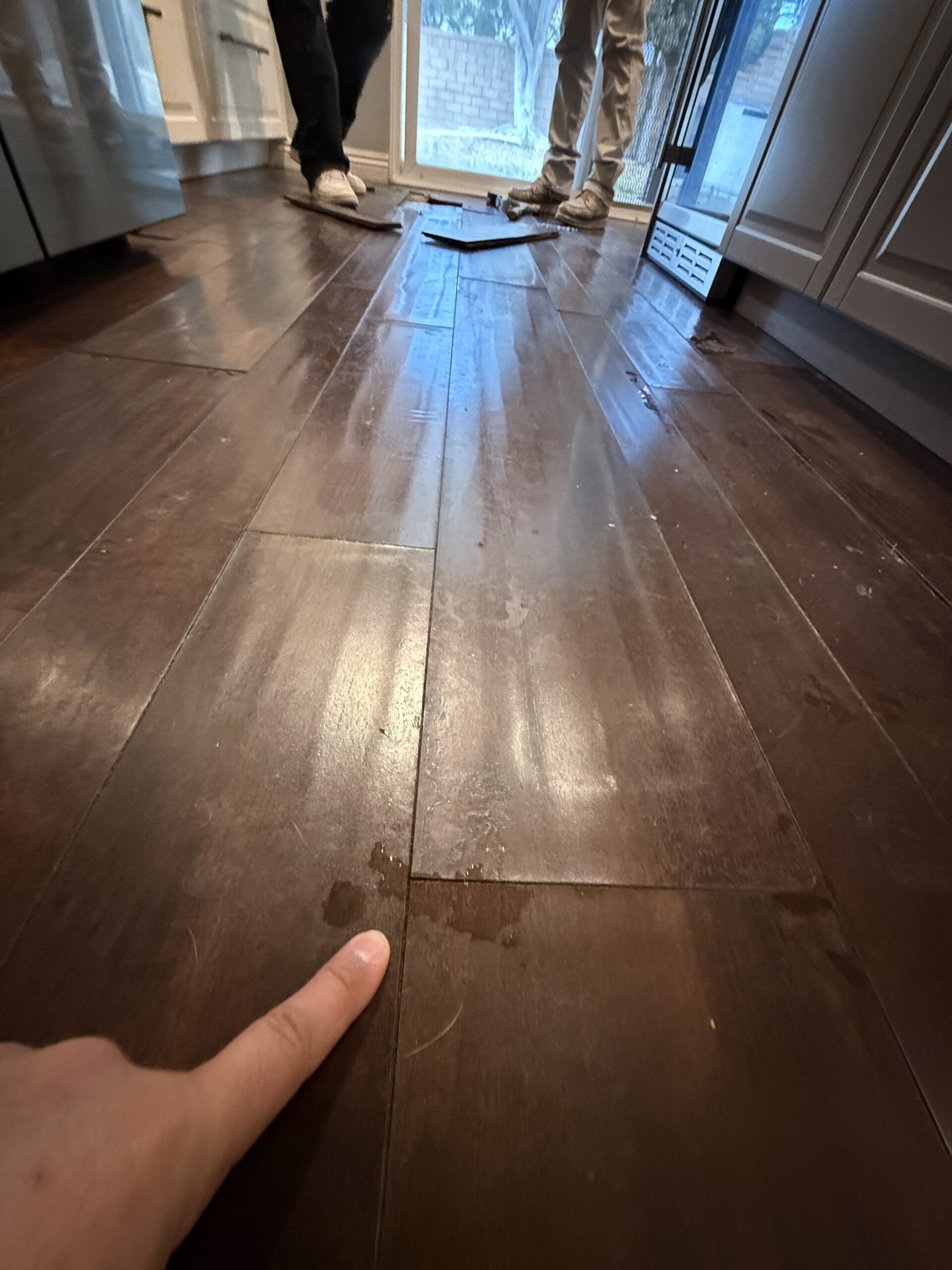
Can Water Be Hidden Under Flooring?
Yes. Water can migrate underneath flooring even when very little water remains visible on top.
Depending on the flooring system, moisture may affect:
- Flooring material
- Underlayment
- Adhesive
- Subflooring
- Concrete
- Adjacent walls and baseboards
Moisture inspection can help determine whether water traveled beyond the visibly affected area.
Can Water Be Hidden Inside Walls?
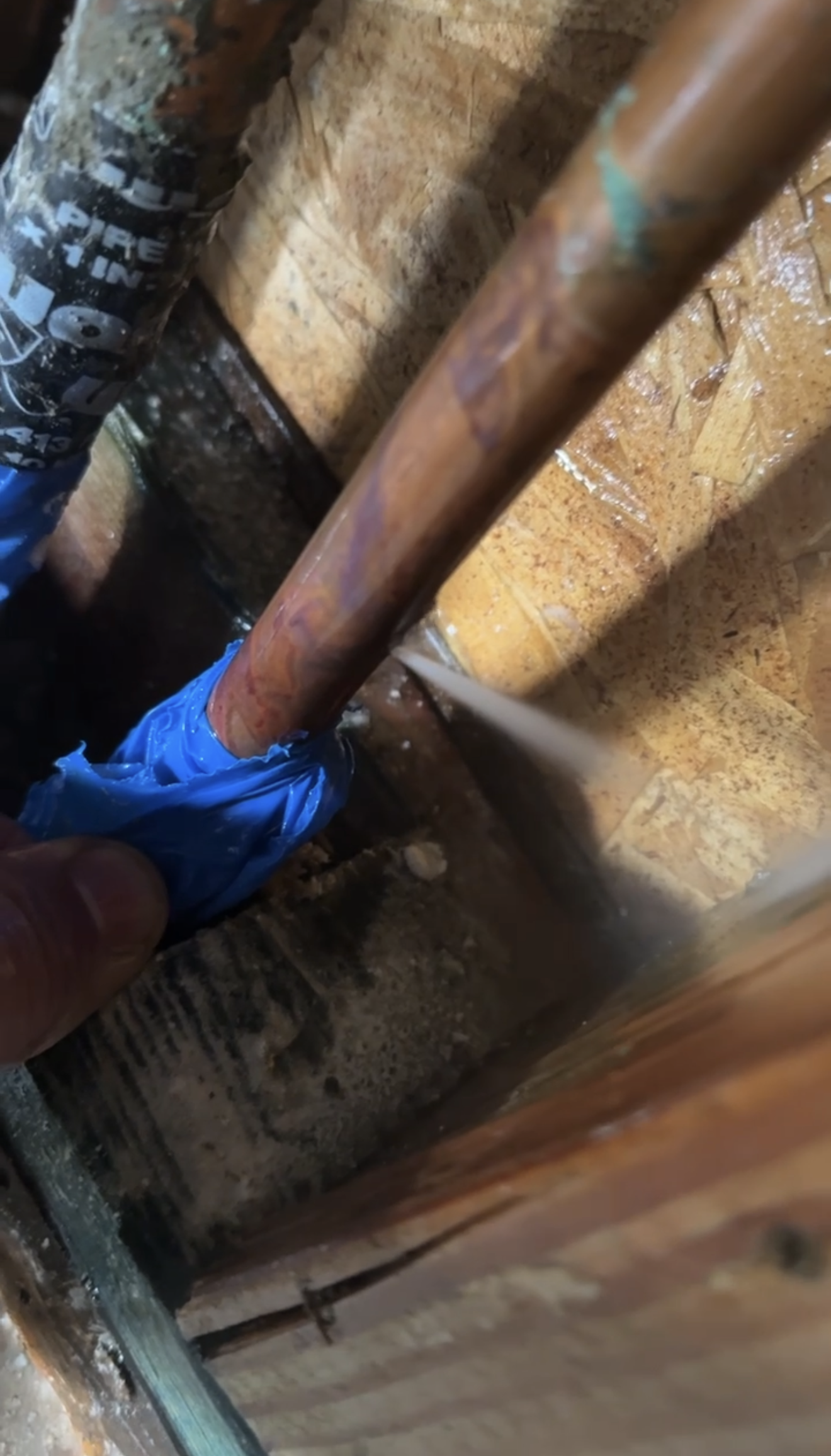
Yes. Water can enter wall cavities through plumbing leaks, appliance failures, upper-floor losses, and other water sources.
A wall may appear relatively normal while insulation, drywall, framing, or other materials inside the cavity remain wet.
Moisture meters, infrared screening, and physical inspection can help identify areas requiring additional investigation.
What Happens During Structural Drying?
A typical structural drying process may include several steps:
- Identify and stop the water source.
- Inspect and document affected areas.
- Extract standing water when necessary.
- Determine which materials can be dried and which require removal.
- Perform controlled removal where necessary.
- Install air movers and dehumidification equipment.
- Monitor moisture and environmental conditions.
- Adjust equipment or drying strategy when necessary.
- Confirm appropriate drying conditions before equipment removal.
What Happens After Structural Drying?
Once mitigation and drying are complete, the property may be ready for reconstruction.
If drywall, insulation, flooring, ceilings, cabinetry, trim, or other materials were removed, those areas need to be rebuilt before the home is fully restored.
911 Restoration of Riverside County provides both water damage mitigation and reconstruction services.
This means a project can move from moisture inspection and structural drying into repairs and rebuilding without automatically requiring the homeowner to begin again with an unrelated contractor.
Why Is Drying Documentation Important?
Documentation creates a record of what was found and how the property responded during restoration.
Depending on the project, documentation may include:
- Initial damage photographs
- Moisture readings
- Infrared screening
- Equipment placement
- Temperature and relative humidity readings
- Progress photographs
- Drying records
- Post-mitigation photographs
This information can help the homeowner, restoration team, reconstruction team, and insurance representatives understand the work performed.
Structural Drying in Riverside County
911 Restoration of Riverside County provides professional water damage restoration and structural drying for homes affected by plumbing leaks, burst pipes, appliance overflows, water heater failures, toilet overflows, and other water losses.
Our restoration process can include moisture inspection, infrared screening, water extraction, controlled material removal, professional air movement, dehumidification, drying monitoring, documentation, and reconstruction when necessary.
If your home has experienced water damage, 911 Restoration of Riverside County can evaluate where the moisture traveled and determine the appropriate drying and restoration approach based on the conditions found.
Frequently Asked Questions
What is structural drying?
Structural drying is the process of removing excess moisture from building materials after water damage using methods such as extraction, airflow, dehumidification, moisture monitoring, and material removal when necessary.
What is the difference between water extraction and structural drying?
Water extraction removes standing or liquid water. Structural drying addresses moisture that remains inside drywall, flooring, framing, and other building materials after visible water has been removed.
How do professionals dry water-damaged walls?
Professionals first evaluate moisture conditions and the source of the water. Depending on the conditions, drying may involve air movement, dehumidification, moisture monitoring, and removal of materials when access or contamination requires it.
How do you know when water damage is dry?
Moisture readings and environmental measurements can be used to track drying progress. Building materials should not be considered dry only because they look or feel dry on the surface.
Can 911 Restoration of Riverside County perform structural drying?
Yes. 911 Restoration of Riverside County provides water extraction, moisture inspection, structural drying, professional dehumidification, drying monitoring, mitigation, and reconstruction for residential water damage projects.
Does structural drying include reconstruction?
Structural drying itself is part of mitigation. If building materials were removed, reconstruction follows after appropriate drying conditions have been reached. 911 Restoration of Riverside County provides both mitigation and reconstruction services.
This article provides general property-restoration information. The correct scope for a specific loss depends on the source of damage, water category or contamination conditions, affected materials, building assembly, duration of exposure, moisture readings, and other site conditions.