Quick answer: Water damage is commonly classified as Category 1, Category 2, or Category 3 based primarily on the level of contamination associated with the water source and conditions of the loss. Category 1 begins with a relatively sanitary water source, Category 2 contains a significant level of contamination, and Category 3 is grossly contaminated water that can present serious health risks.
Understanding the water category matters because it can affect how a property is inspected, which materials may be restored, which materials may need to be removed, what protective procedures are appropriate, and how the affected area is cleaned.
911 Restoration of Riverside County handles water losses involving plumbing failures, appliance leaks, washing machine overflows, toilet overflows, sewage backups, and other sources throughout Riverside County and surrounding service areas.
What Does Water Damage Category Mean?
The category of a water loss describes the level of contamination associated with the water and the conditions surrounding the loss. It is different from the amount or physical size of the water damage.
A small amount of heavily contaminated water can require more extensive contamination controls than a much larger clean-water plumbing leak.
The source of the water is important, but restoration professionals also evaluate what the water contacted, how long it remained in the structure, and whether conditions changed after the original loss occurred.
What Is Category 1 Water Damage?
Category 1 water originates from a relatively sanitary source and does not initially present a substantial contamination risk.
Possible examples can include:
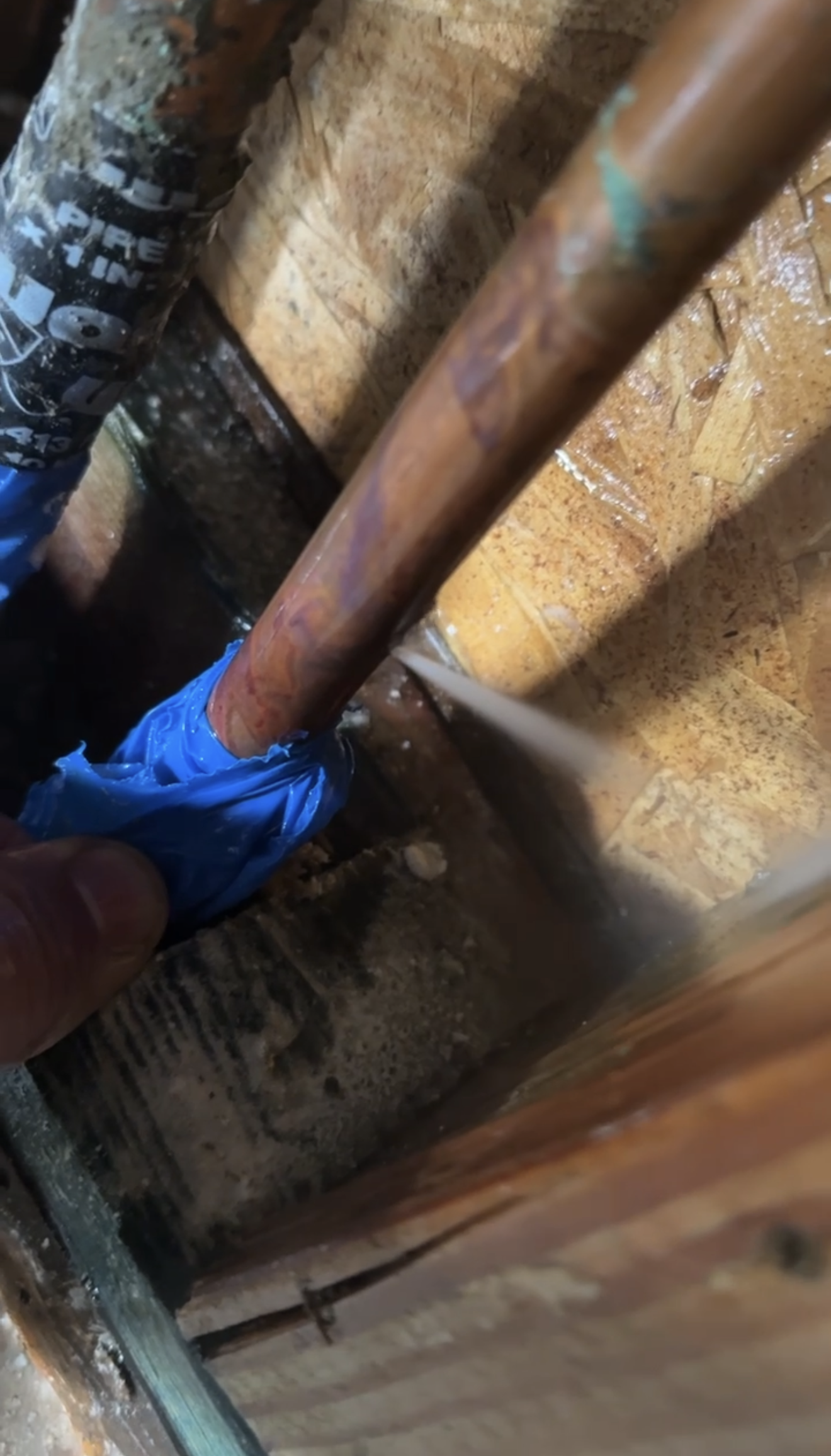
- Broken clean-water supply lines
- Certain plumbing supply leaks
- Some water heater failures
- Other sanitary water sources
However, the fact that water started as Category 1 does not mean the restoration process should be ignored or delayed.
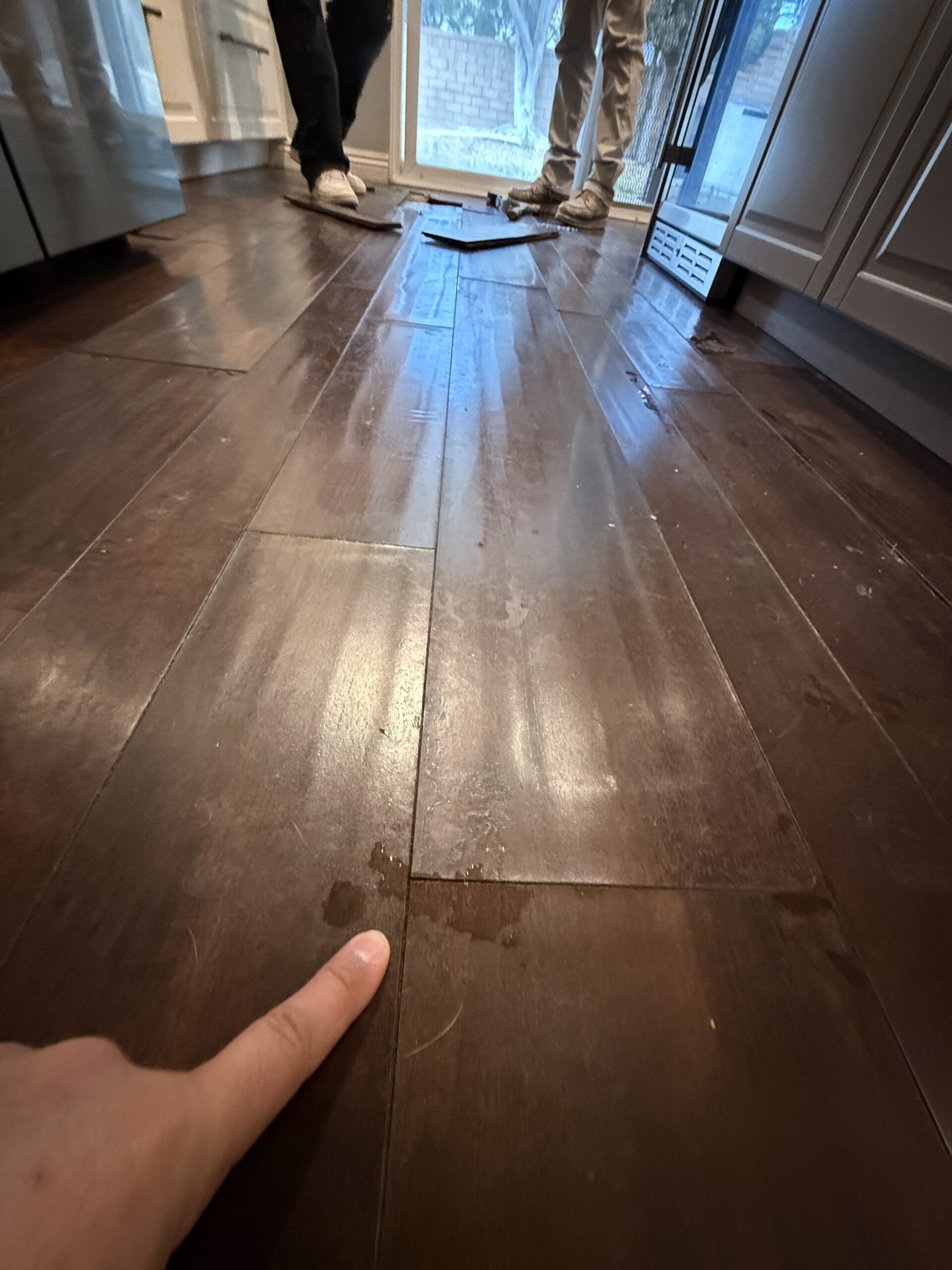
Water can travel underneath flooring, behind drywall, into insulation, through cabinetry, and into other concealed building materials.
Conditions can also change depending on how long the water remains present and what materials or contaminants it contacts.
Does Category 1 Water Mean Everything Can Be Dried?
No. Water category is only one factor used when determining whether building materials can be restored.
A restoration professional may also consider:
- How saturated the material became
- How long it remained wet
- The type of building material
- Whether deterioration has occurred
- Whether moisture is trapped in a concealed area
- Whether access is required to properly dry the structure
Some wet materials may be dried in place, while others may need to be removed.
What Is Category 2 Water Damage?
Category 2 water contains a significant level of contamination and may cause discomfort or illness if someone is exposed to it.
Depending on the specific circumstances, examples can include water discharged from certain appliances or other sources where contaminants are present.
A washing machine overflow during an active wash cycle is one example of a loss that may involve Category 2 conditions because the water can contain detergent, soil, and contaminants from clothing.
The exact classification should be based on the actual conditions of the loss rather than assuming that every appliance leak belongs to the same category.
How Is Category 2 Water Damage Restored?
The restoration approach depends on where the water traveled and which materials became affected.
911 Restoration of Riverside County may evaluate Category 2 water losses using:
- Visual inspection
- Moisture meters
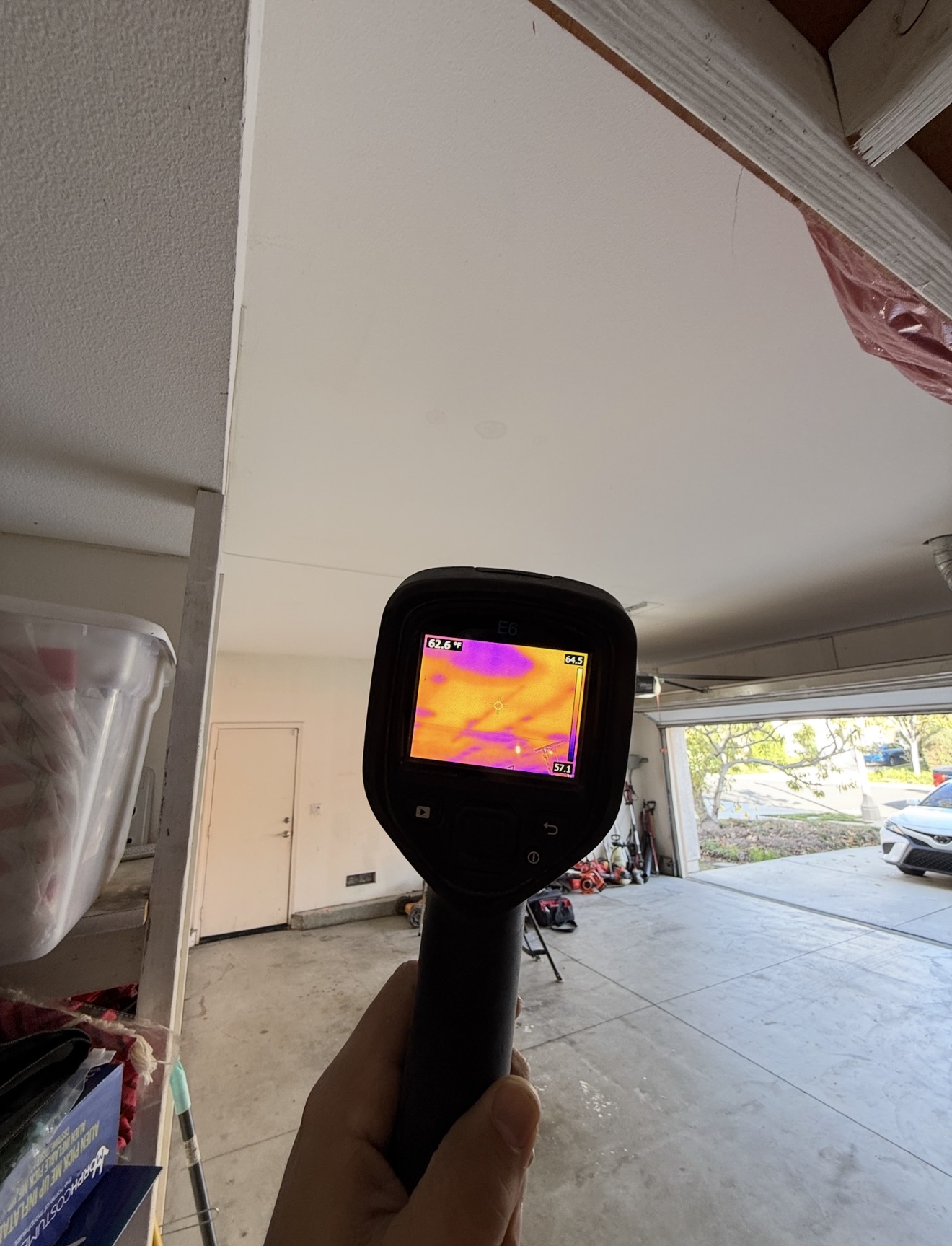
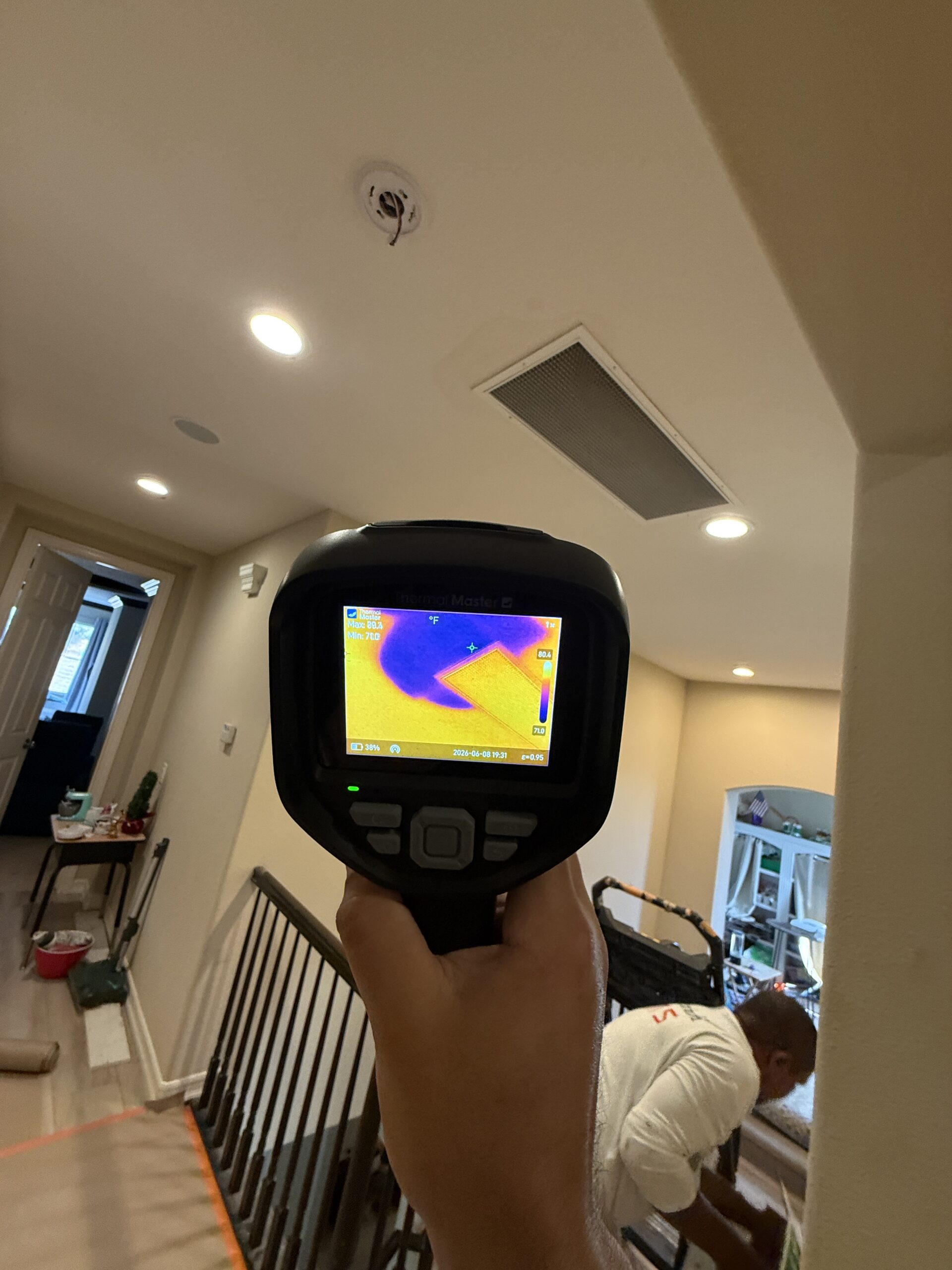
- Infrared screening
- Documentation of affected areas
- Evaluation of porous and nonporous materials
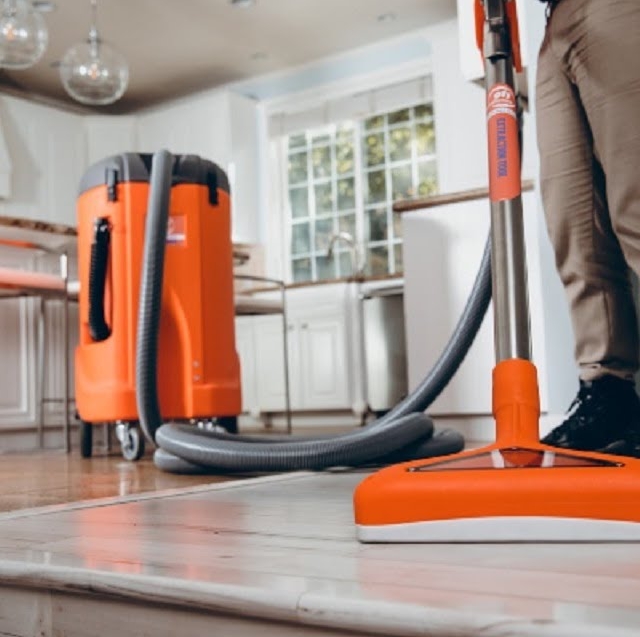
Depending on the conditions, restoration can involve water extraction, controlled material removal, cleaning, structural drying, dehumidification, and monitoring.
What Is Category 3 Water Damage?
Category 3 water is grossly contaminated water and can contain harmful microorganisms or other contaminants.
Common examples may include:
- Sewage backups
- Water containing fecal matter
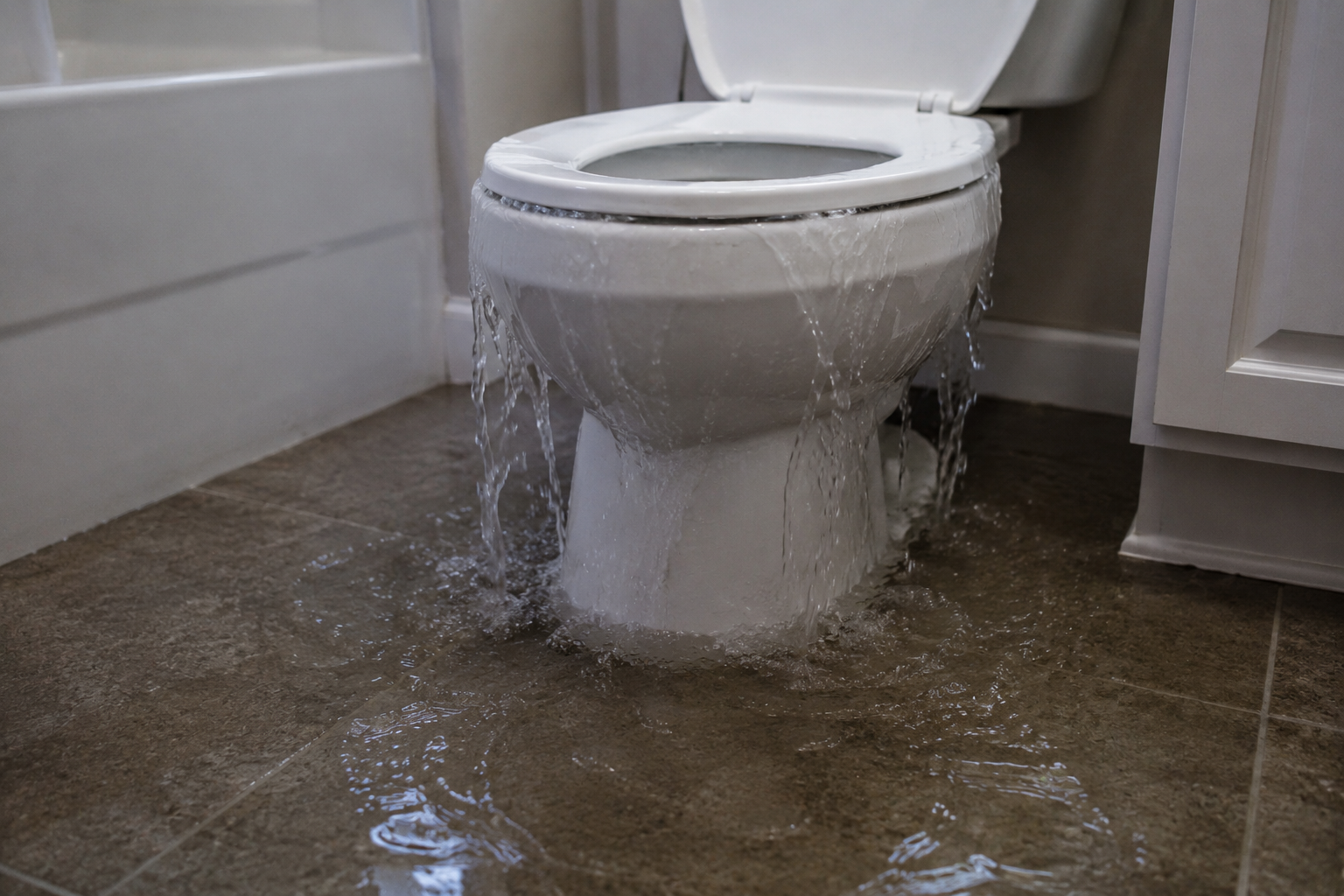
- Certain toilet overflows
- Water entering from contaminated outside sources
- Other heavily contaminated water losses
Category 3 losses generally require a different restoration approach than a clean-water plumbing leak because contamination must be addressed in addition to moisture.
Why Is Category 3 Water More Complicated?
Porous building materials can absorb contaminated water. Simply placing drying equipment in the room may not adequately address those conditions.
Materials potentially affected by Category 3 water can include:
- Drywall
- Insulation
- Carpet
- Carpet padding
- Baseboards
- Cabinet components
- Certain flooring materials
- Other porous materials
The affected materials and structural areas need to be evaluated to determine what can be appropriately cleaned and what requires removal.
Does Category 3 Water Mean the Entire Room Must Be Demolished?
Not automatically.
The restoration scope should be based on the actual extent of contamination and moisture rather than unnecessarily removing unaffected portions of the property.
Inspection, moisture mapping, physical observations, and the path of water migration can help determine which areas were affected.
This is one reason detailed documentation is important during a contaminated-water loss.
Can the Water Category Change?
Conditions surrounding a water loss can change over time.
Water that originated from a relatively sanitary source can interact with building materials, contaminants, microorganisms, or other environmental conditions after entering the property.
For that reason, the original source is not always the only consideration when evaluating a water-damaged structure.
How Do You Know Where the Water Traveled?
Visible water does not always show the full extent of the loss.
Water can migrate:
- Under flooring
- Behind baseboards
- Inside wall cavities
- Through ceilings
- Into insulation
- Behind cabinets
- From an upper floor into rooms below
911 Restoration of Riverside County uses moisture inspection methods to help determine where water has traveled before establishing the mitigation scope.
Moisture Meters
Moisture meters can help identify elevated moisture levels in affected building materials and compare those readings with known dry materials.
Infrared Screening
Infrared cameras can identify temperature differences across building surfaces that may indicate areas requiring additional investigation.
Infrared imaging does not directly see water through a wall, so suspected areas should be evaluated with moisture readings and physical inspection.
Why Does Water Category Affect Material Removal?
The ability to restore a material depends partly on whether it can be appropriately cleaned and dried.
A material affected by a relatively sanitary water source may sometimes be handled differently from the same material after exposure to heavily contaminated water.
This is especially important for porous materials because liquids and contaminants can penetrate beneath the surface.
What Happens After Affected Materials Are Removed?
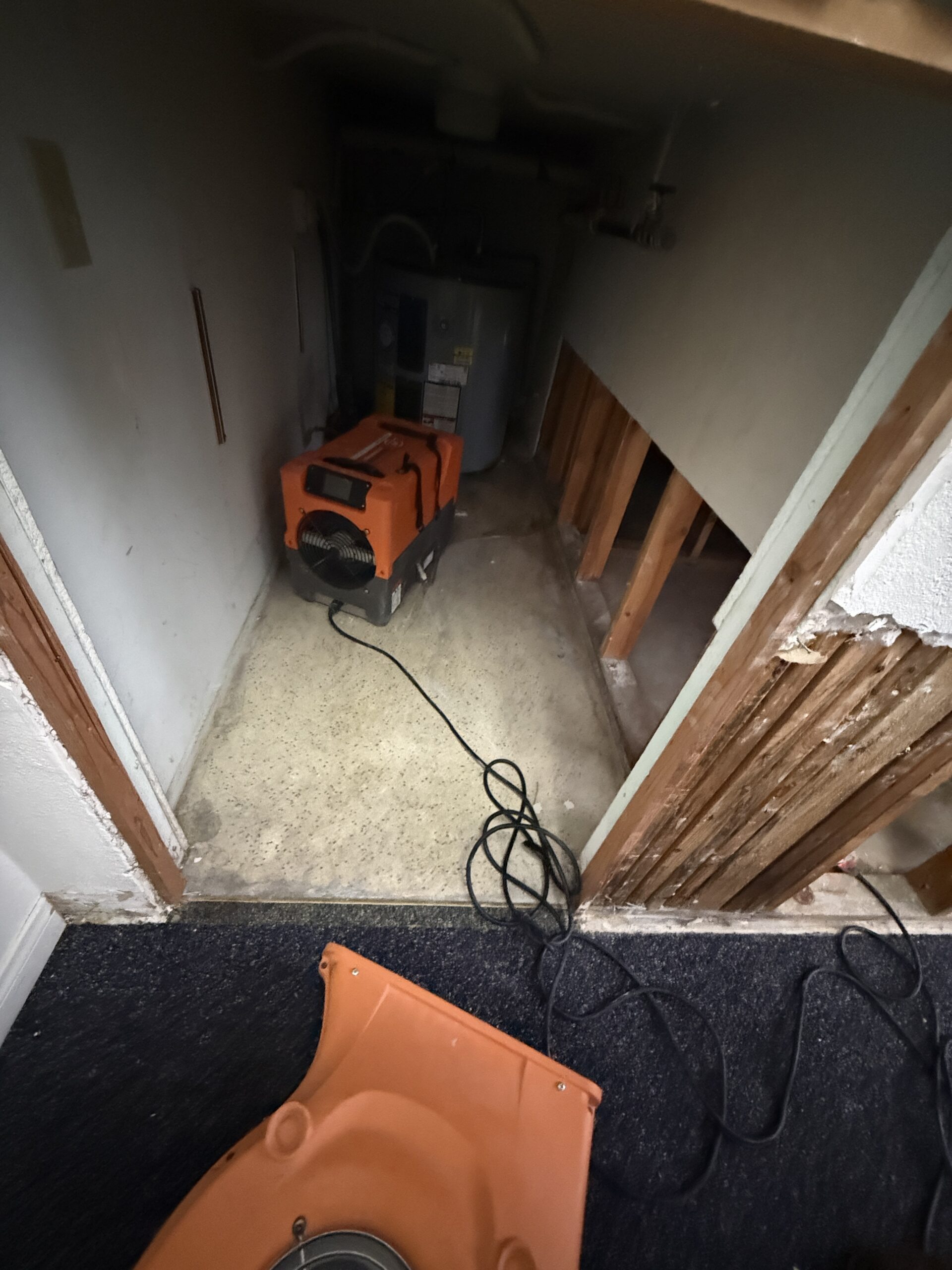
Once materials that require removal have been addressed and remaining structural surfaces are appropriately cleaned, structural drying can begin when conditions allow.
Professional drying may include:
- Air movers
- Commercial dehumidifiers
- Temperature and humidity monitoring
- Repeated moisture readings
- Drying documentation
Drying progress should be evaluated using measurements rather than simply assuming an area is dry because the surface no longer looks wet.
What Happens After Mitigation?
Water damage restoration does not necessarily end when the drying equipment is removed.
If drywall, insulation, flooring, cabinetry, ceilings, or other building materials were removed during mitigation, the property may need reconstruction.
911 Restoration of Riverside County provides both water damage mitigation and reconstruction services, allowing affected properties to move from inspection and drying into the rebuilding phase when required.
Does Homeowners Insurance Treat Water Categories Differently?
Insurance coverage depends on the cause of the loss and the terms of the individual policy rather than the water category alone.
For example, a sudden plumbing failure may be treated differently from a sewer or drain backup depending on the policy and endorsements in place.
911 Restoration of Riverside County can document the conditions found and the restoration work performed, but the insurance carrier ultimately determines whether a loss is covered.
Water Damage Restoration in Riverside County
911 Restoration of Riverside County provides emergency water damage restoration for clean-water plumbing failures, appliance overflows, toilet overflows, sewage backups, burst pipes, water heater failures, and other residential water losses.
Our restoration process can include moisture inspection, infrared screening, water extraction, controlled material removal, cleaning, structural drying, dehumidification, monitoring, documentation, and reconstruction when required.
If water has entered your home and you are unsure whether it is Category 1, Category 2, or Category 3, 911 Restoration of Riverside County can evaluate the affected areas and determine the appropriate restoration approach based on the conditions found.
Frequently Asked Questions
What is Category 1 water damage?
Category 1 water begins from a relatively sanitary source, such as certain clean-water plumbing failures. The affected materials and conditions still need to be evaluated because water can migrate into concealed areas and conditions can change over time.
What is Category 2 water damage?
Category 2 water contains a significant level of contamination. Depending on the circumstances, water discharged from an appliance during use may fall into this category.
What is Category 3 water damage?
Category 3 water is grossly contaminated and can include sewage, fecal contamination, and other heavily contaminated water sources. Restoration typically requires addressing contamination as well as moisture.
Is washing machine water Category 2?
Water discharged from a washing machine during an active wash cycle may involve Category 2 conditions because it can contain detergent, soil, and contaminants from clothing. The actual classification should be based on the circumstances of the specific loss.
Is a toilet overflow Category 3 water?
A toilet overflow involving fecal matter or other gross contamination may be classified as Category 3. The actual conditions and source of the overflow should be evaluated before establishing the restoration scope.
Can 911 Restoration of Riverside County handle Category 3 water damage?
Yes. 911 Restoration of Riverside County provides contaminated-water and sewage restoration services, including inspection, affected-material removal when necessary, cleaning, drying, documentation, and reconstruction based on the conditions of the loss.
This article provides general property-restoration information. The correct scope for a specific loss depends on the source of damage, water category or contamination conditions, affected materials, building assembly, duration of exposure, moisture readings, and other site conditions.