Quick answer: If water is actively leaking from a broken pipe or plumbing fixture, the source needs to be stopped first. A plumber typically repairs the plumbing problem, while a water damage restoration company removes the water, evaluates affected building materials, and dries the property. In many water emergencies, homeowners need both.
At 911 Restoration of Riverside County, we regularly respond to homes where a plumbing failure has already been repaired but water has spread into drywall, flooring, cabinets, insulation, or other areas of the structure. Understanding the difference between a plumber and a restoration company can help you know who to call and what needs to happen next.
What Does a Plumber Do After a Water Leak?
A plumber’s primary responsibility is identifying and repairing the plumbing problem that caused the water loss.
Depending on the situation, a plumber may:
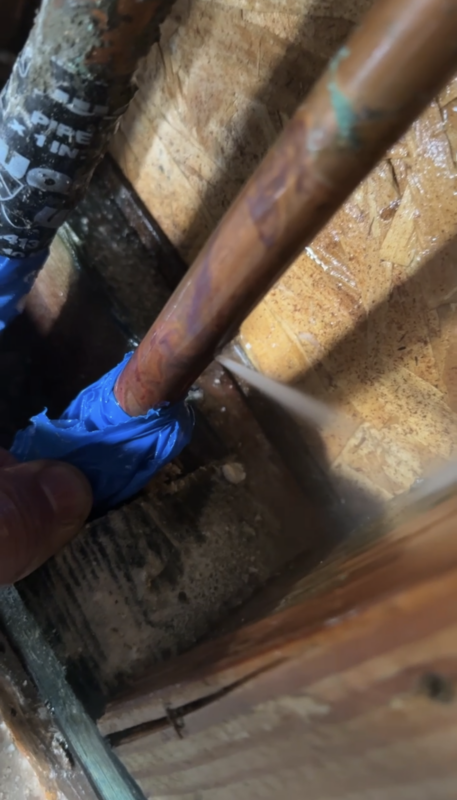
- Repair a burst or broken pipe
- Replace a failed supply line
- Repair a leaking plumbing fixture
- Clear a blocked drain or sewer line
- Repair a water heater connection
- Identify the plumbing source of an active leak
Stopping the source is critical. If water continues entering the property, additional damage can occur even while cleanup is underway.
What Does a Water Damage Restoration Company Do?
A water damage restoration company addresses the damage caused by the water after it leaves the plumbing system and enters the building.
911 Restoration of Riverside County evaluates how far the water traveled and which building materials were affected.
Depending on the conditions at the property, water damage restoration may include:
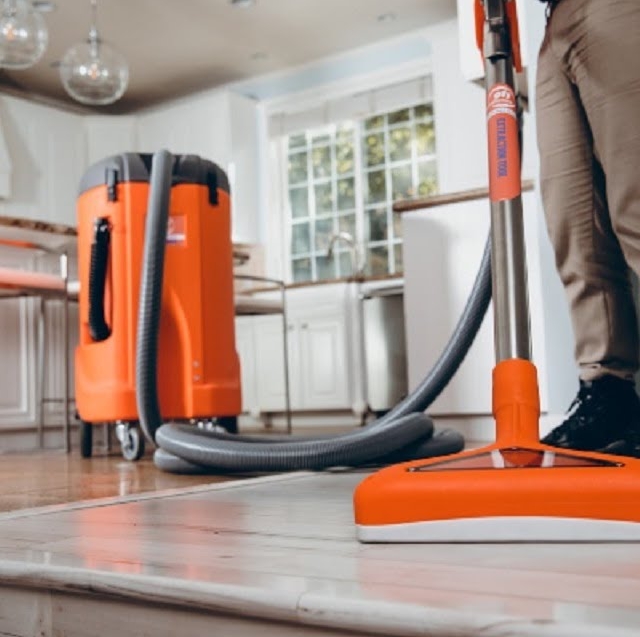
- Water extraction
- Moisture inspection
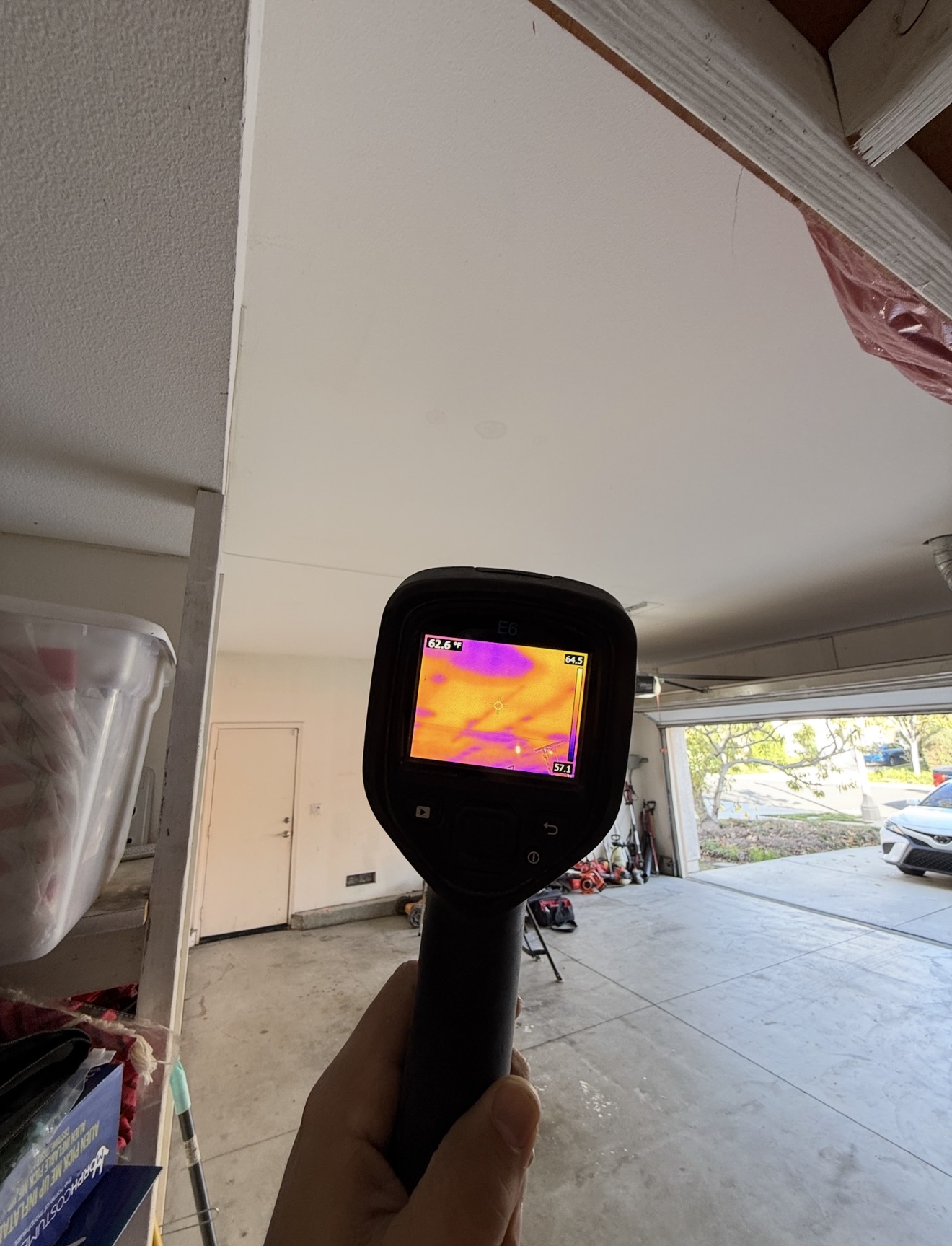
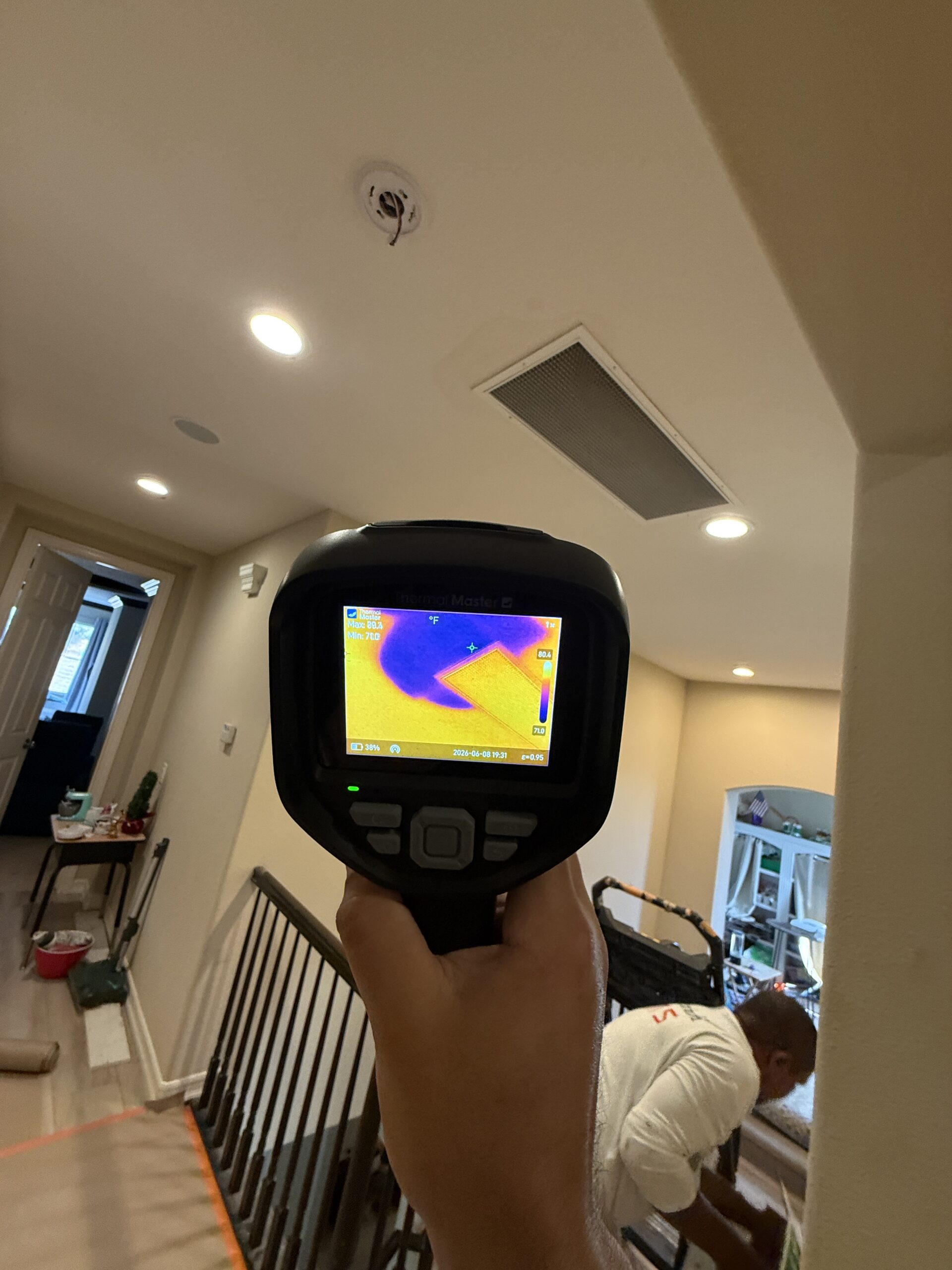
- Infrared screening
- Moisture readings
- Removal of affected materials when necessary
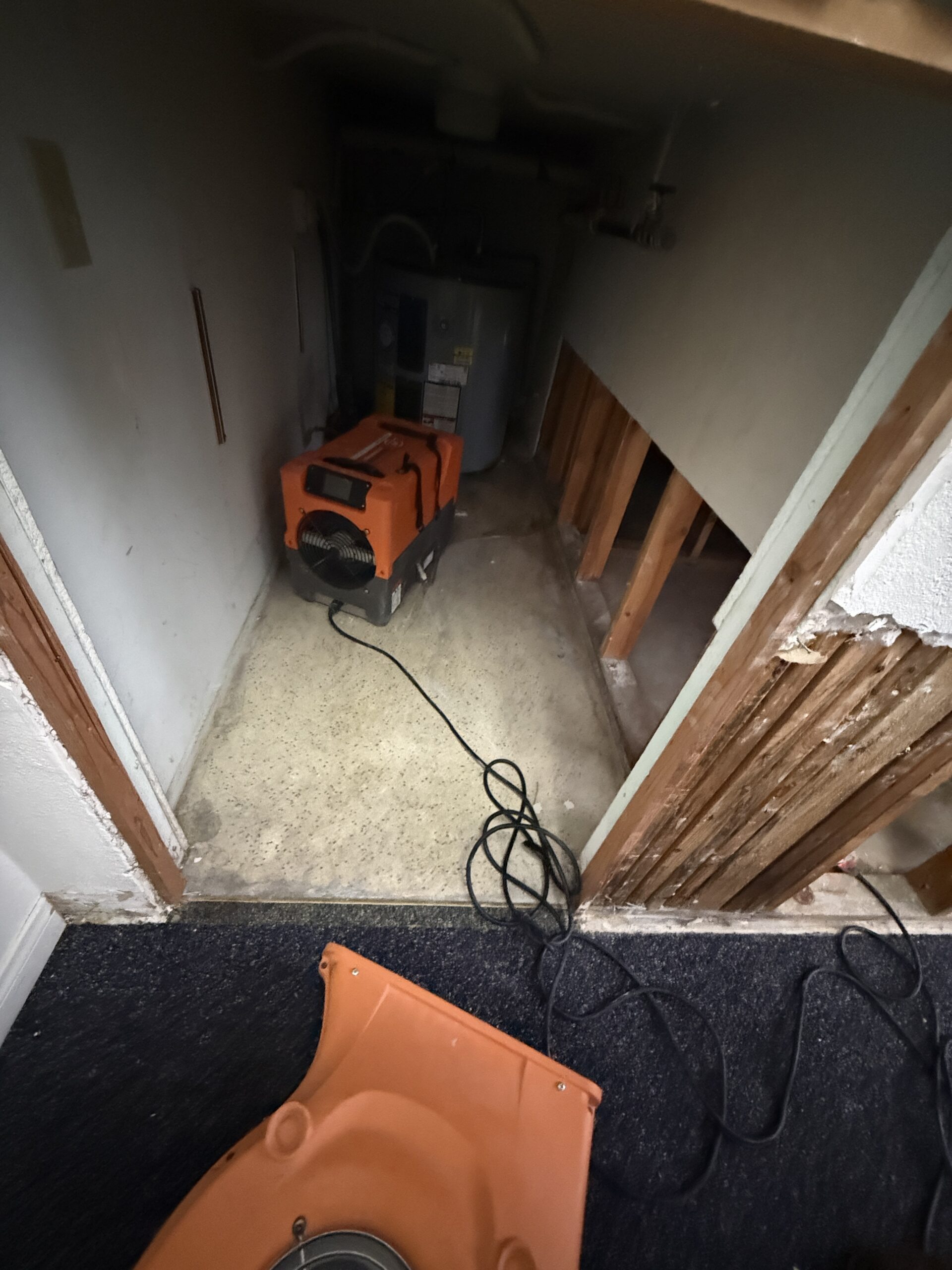
- Structural drying
- Air movement
- Dehumidification
- Drying-condition monitoring
- Cleaning and sanitization when appropriate
- Reconstruction of affected areas
Who Should I Call First?
If water is actively coming from a plumbing system, stop the water first. If possible and safe, shut off the affected fixture or the home’s main water supply.
If the source requires a plumbing repair, contact a plumber. Once the source has been controlled, the water that entered the home still needs to be addressed.
If water has reached drywall, flooring, cabinets, ceilings, insulation, baseboards, or other building materials, a water damage restoration company should evaluate the affected areas.
Should I Call a Restoration Company While the Plumber Is Coming?
For a significant water loss, you do not necessarily need to wait until every plumbing repair is complete before contacting a restoration company.
The restoration company can begin gathering information about the loss and preparing to evaluate the damage while the plumbing source is being addressed.
Water can continue migrating through porous building materials even after the active flow has stopped, so delaying the moisture inspection may allow affected materials to remain wet longer than necessary.
What If I Already Cleaned Up the Visible Water?
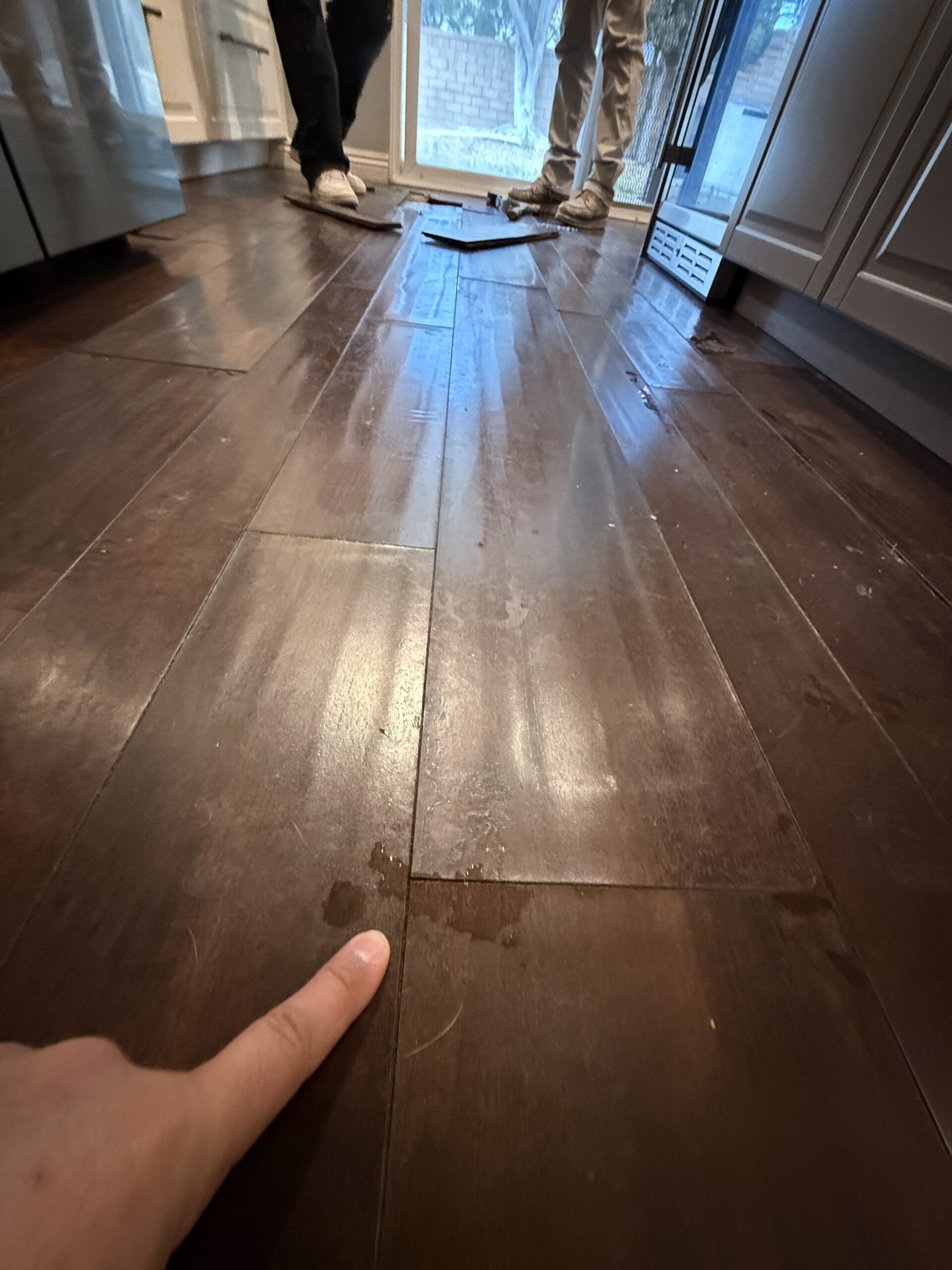
Removing visible water does not necessarily mean the property is dry.
Water can migrate:
- Behind drywall
- Under flooring
- Behind baseboards
- Inside wall cavities
- Under cabinets
- Into insulation
- Through ceilings into rooms below
This is why 911 Restoration of Riverside County uses moisture-detection methods to evaluate areas beyond the water that can be seen from the surface.
How Do Restoration Professionals Find Hidden Water?
Water damage inspections may involve moisture meters, infrared imaging, physical inspection, and comparisons between affected and known dry materials.
Moisture Meters
Moisture meters help identify building materials with elevated moisture levels and assist technicians in monitoring drying progress.
Infrared Imaging
Infrared cameras identify temperature differences across surfaces. These patterns can help locate areas requiring further investigation.
An infrared camera does not directly see water through a wall, so infrared findings should be verified using moisture readings and physical inspection.
What If the Leak Came From an Upstairs Bathroom?
Water from an upstairs bathroom can travel through flooring and subflooring before entering ceilings, walls, or rooms below.
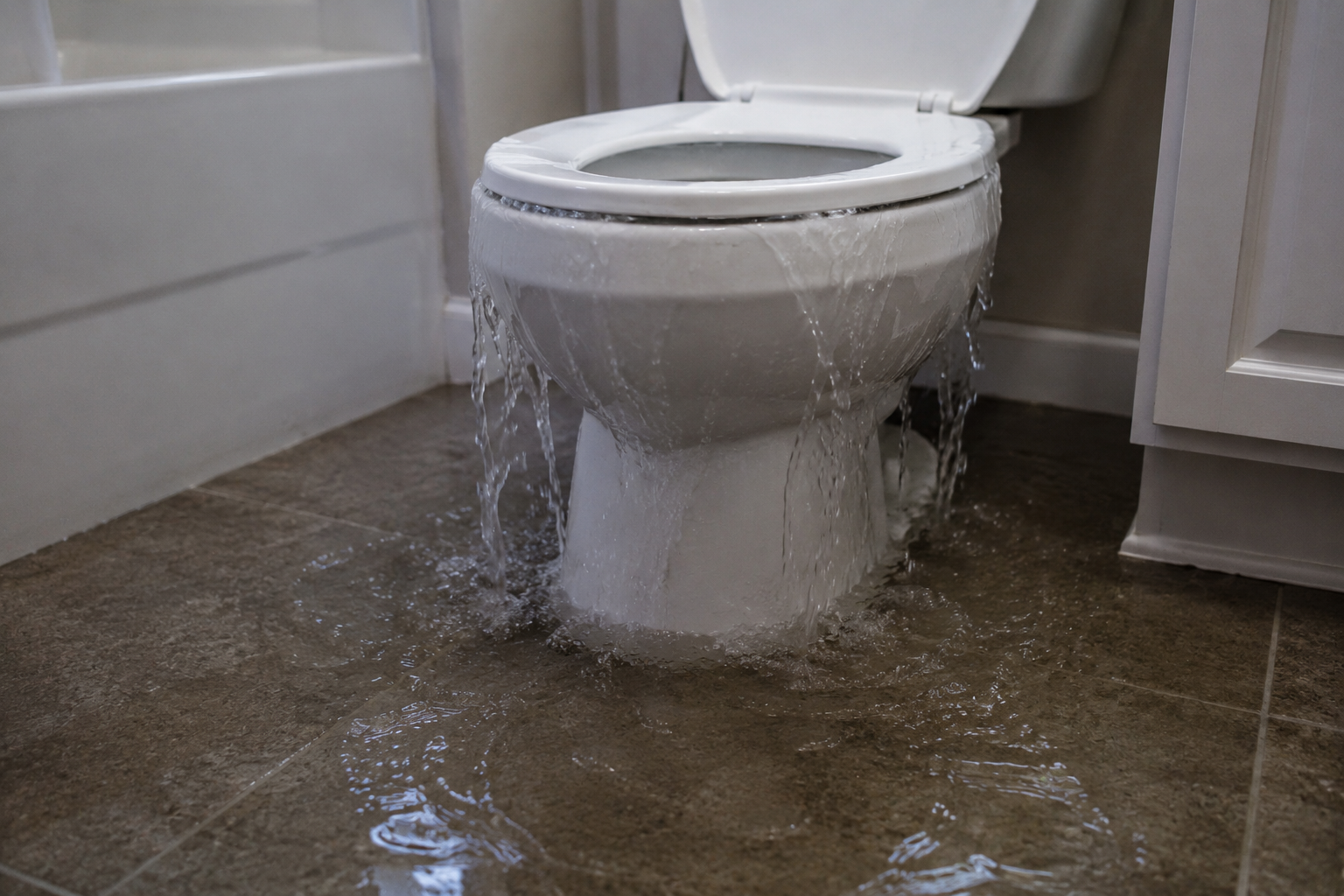
For example, a toilet overflow may affect the bathroom floor while also creating water damage inside the ceiling and wall cavities underneath it.
The source and contamination level of the water also matter. A contaminated toilet overflow may require different restoration procedures than a clean-water plumbing supply leak.
What If the Water Came From a Burst Pipe?
A plumber may repair the burst pipe, but the plumbing repair does not automatically address moisture that has already entered the structure.
Drywall, insulation, flooring, cabinets, and framing should be evaluated to determine where the water traveled and what needs to be dried or removed.
Can I Let the Water Dry on Its Own?
Minor surface moisture and significant structural water damage are very different situations.
When water has entered porous building materials or concealed areas, simply allowing the room to air dry may not adequately address moisture trapped inside the structure.
Professional air movers and dehumidifiers may be used when appropriate, while moisture readings help determine whether affected materials are actually drying.
Does Wet Drywall Always Need to Be Removed?
No. Water damage does not automatically mean every wet material needs to be demolished.
The decision depends on factors such as:
- The source and category of the water
- How saturated the material became
- How long the material remained wet
- The condition of the material
- Whether contamination is present
- Whether access is needed to dry concealed areas
A proper moisture inspection can help determine the appropriate restoration approach before unnecessary demolition is performed.
What About Homeowners Insurance?
Some sudden and accidental plumbing losses may be covered by homeowners insurance depending on the cause of the damage and the terms of the policy.
There can also be a difference between coverage for repairing the failed plumbing component and coverage for the resulting water damage.
911 Restoration of Riverside County can document the affected areas and restoration work, but the insurance carrier ultimately determines coverage under the homeowner’s policy.
Water Damage Help in Riverside County
911 Restoration of Riverside County provides emergency water damage restoration for burst pipes, toilet overflows, appliance leaks, water heater failures, plumbing leaks, and other unexpected water losses.
Our team can evaluate affected materials, document moisture conditions, perform extraction when necessary, remove affected materials when appropriate, install professional drying equipment, monitor drying progress, and help move the property toward reconstruction.
If the plumbing problem has been stopped but water has entered your home, contact 911 Restoration of Riverside County for a water damage inspection.
Frequently Asked Questions
Do I need a plumber or water damage restoration company?
A plumber repairs the plumbing source, while a water damage restoration company addresses the water and damaged building materials. Many plumbing-related water emergencies require both services.
Should I call a plumber first for a burst pipe?
If the pipe is actively leaking, the water source should be stopped immediately. A plumber may be needed to repair the pipe, while a restoration company evaluates and dries the resulting water damage.
Can a plumber dry water-damaged walls?
A plumber generally repairs the plumbing system. Structural drying, moisture monitoring, water extraction, and restoration of affected building materials are typically handled by a water damage restoration company.
Who removes water after a plumbing leak?
A professional water damage restoration company can perform water extraction when necessary and evaluate moisture that has entered flooring, drywall, ceilings, cabinets, and other building materials.
Who should I call for water damage in Riverside County?
For water that has entered building materials after a plumbing leak, 911 Restoration of Riverside County provides water damage inspection, extraction, structural drying, mitigation, and reconstruction services throughout its Riverside County service area.
This article provides general property-restoration information. The correct scope for a specific loss depends on the source of damage, water category or contamination conditions, affected materials, building assembly, duration of exposure, moisture readings, and other site conditions.