
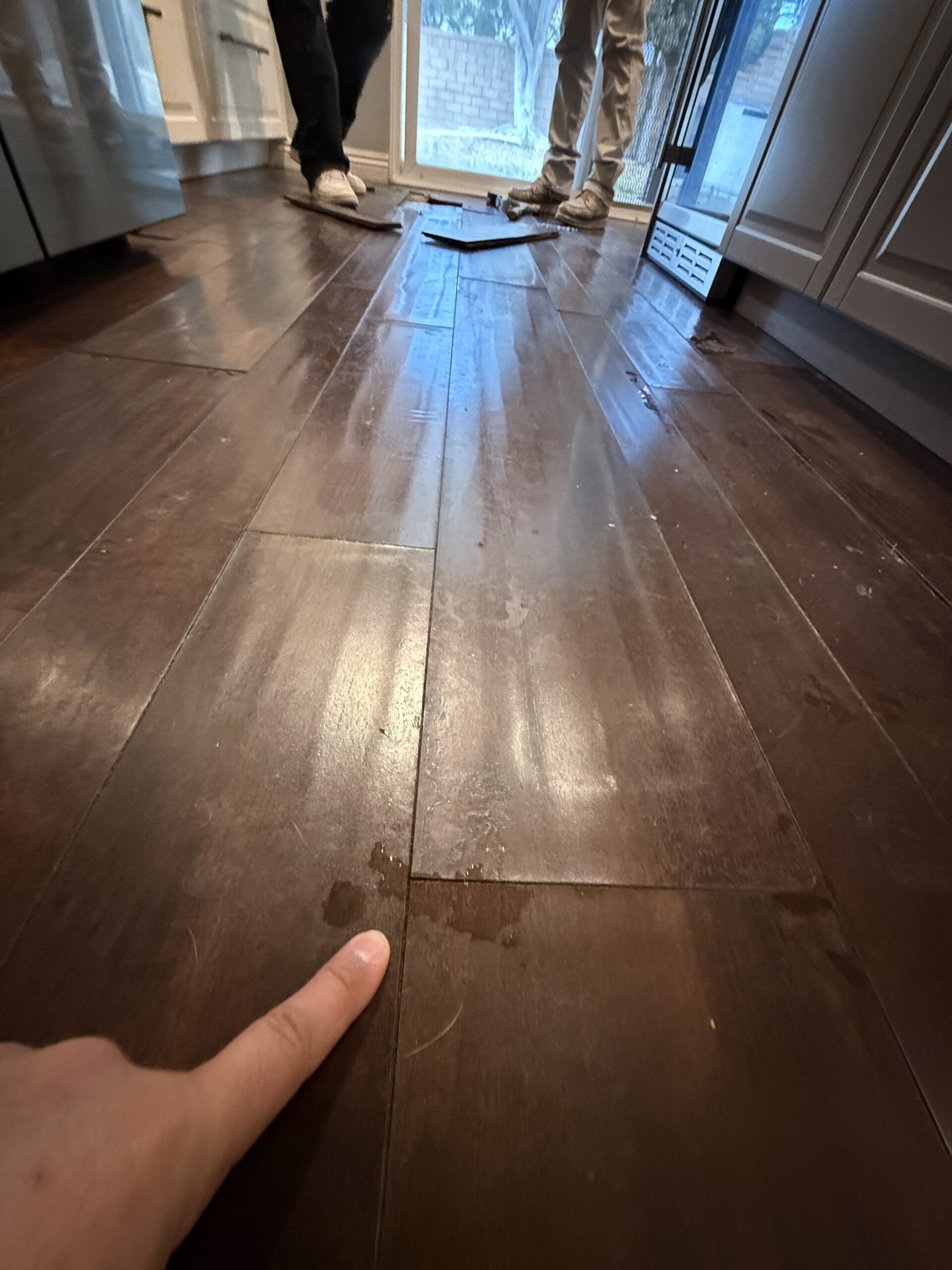
Can Water Get Under Flooring After a Leak?
Water can travel underneath flooring even after the visible water is gone. Learn how hidden moisture is detected, when flooring can be dried, and…
Read Guide →Practical answers about water damage, mold remediation, fire and smoke damage, sewage cleanup, structural drying, insurance documentation, and reconstruction from 911 Restoration of Riverside County.
Start with the type of property damage you are dealing with, then explore detailed articles and service information.
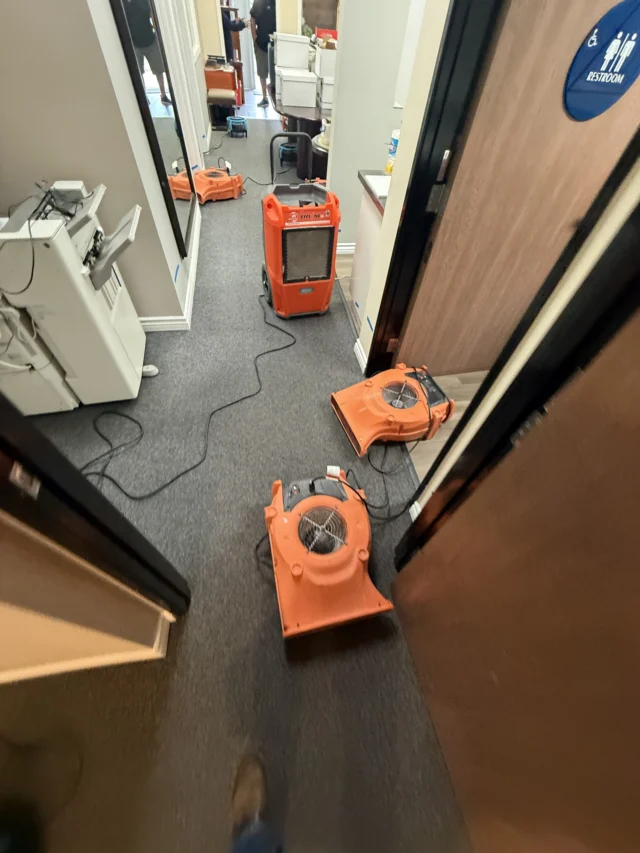
Drywall, flooring, structural drying, moisture detection, leaks, flooding, and what to do after a water loss.
← View All Resource Articles
Water can travel underneath flooring even after the visible water is gone. Learn how hidden moisture is detected, when flooring can be dried, and…
Read Guide →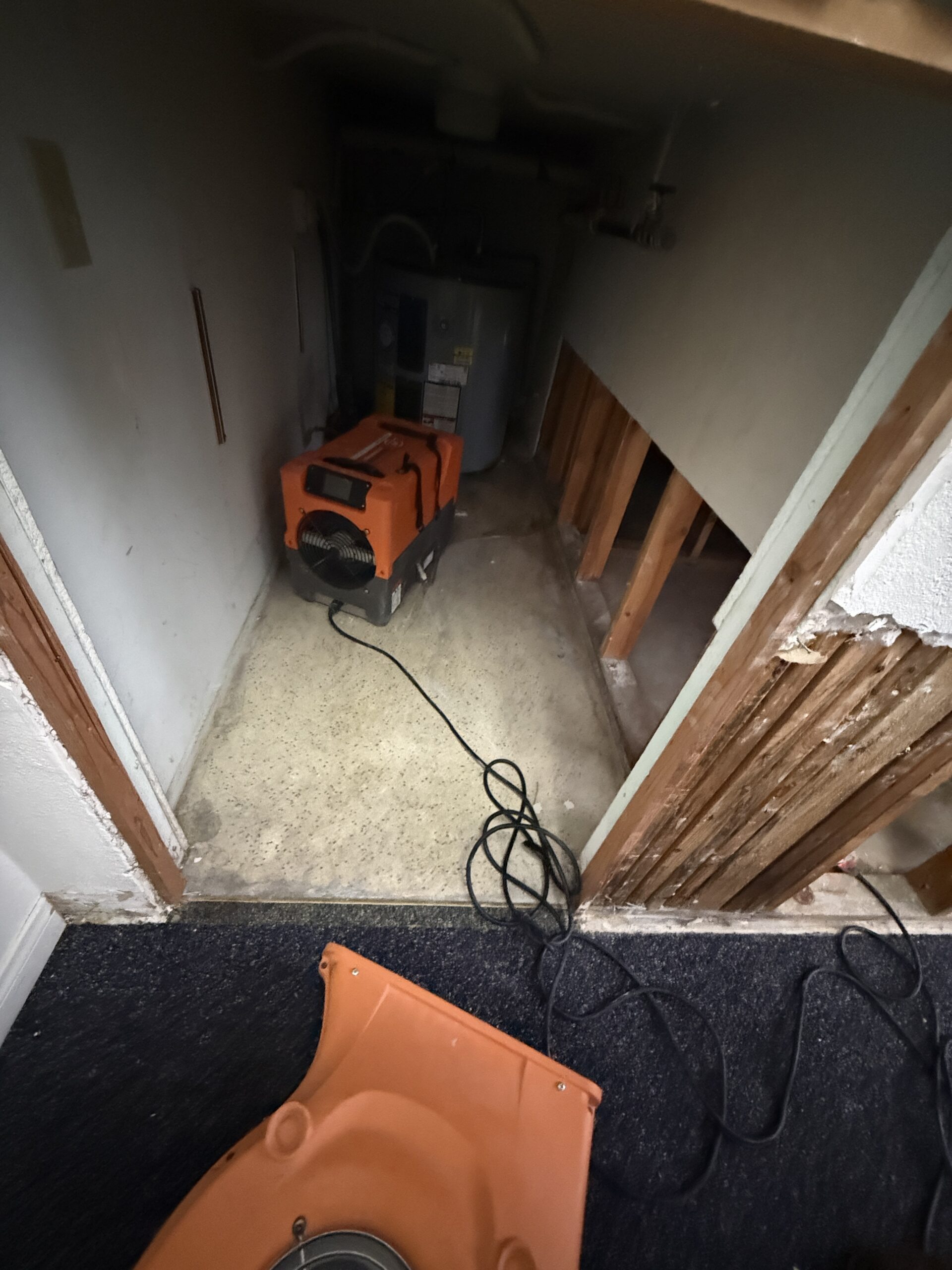
Structural drying removes moisture that remains inside building materials after a water loss. Learn how moisture inspection, air movers, dehumidifiers, monitoring, and reconstruction work…
Read Guide →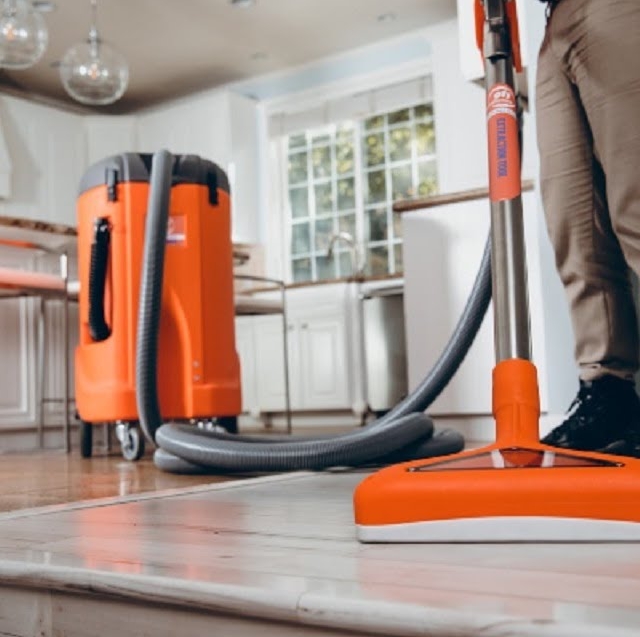
What is the difference between Category 1, 2 and 3 water damage? Learn how contamination levels affect cleanup, material removal, structural drying and reconstruction.
Read Guide →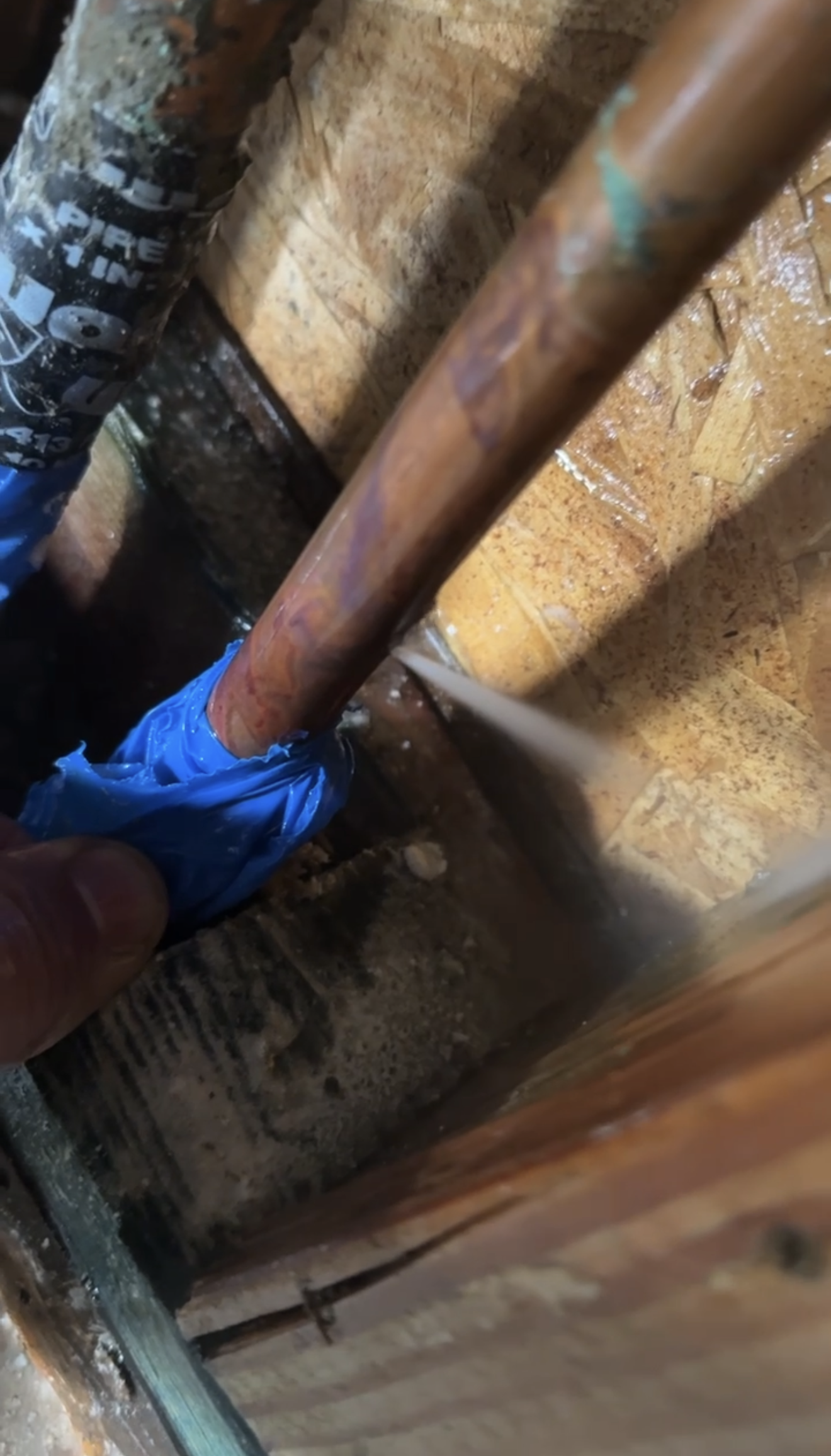
Not sure whether to call a plumber or restoration company after a leak? Learn who repairs the source, who handles the water damage, and…
Read Guide →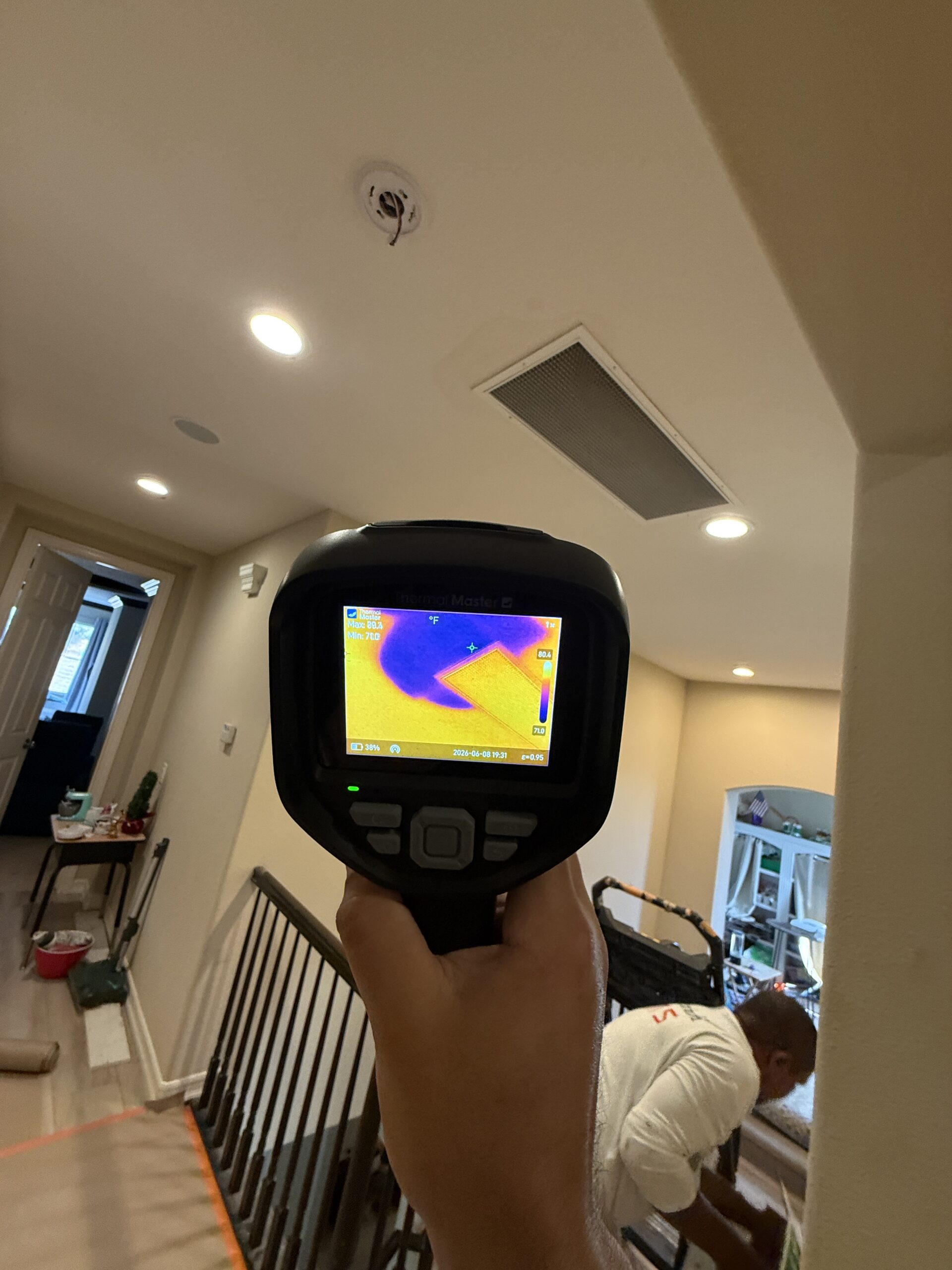
Water leaking from a ceiling can indicate hidden damage above the drywall. Learn what to do immediately, common causes, warning signs, and when professional…
Read Guide →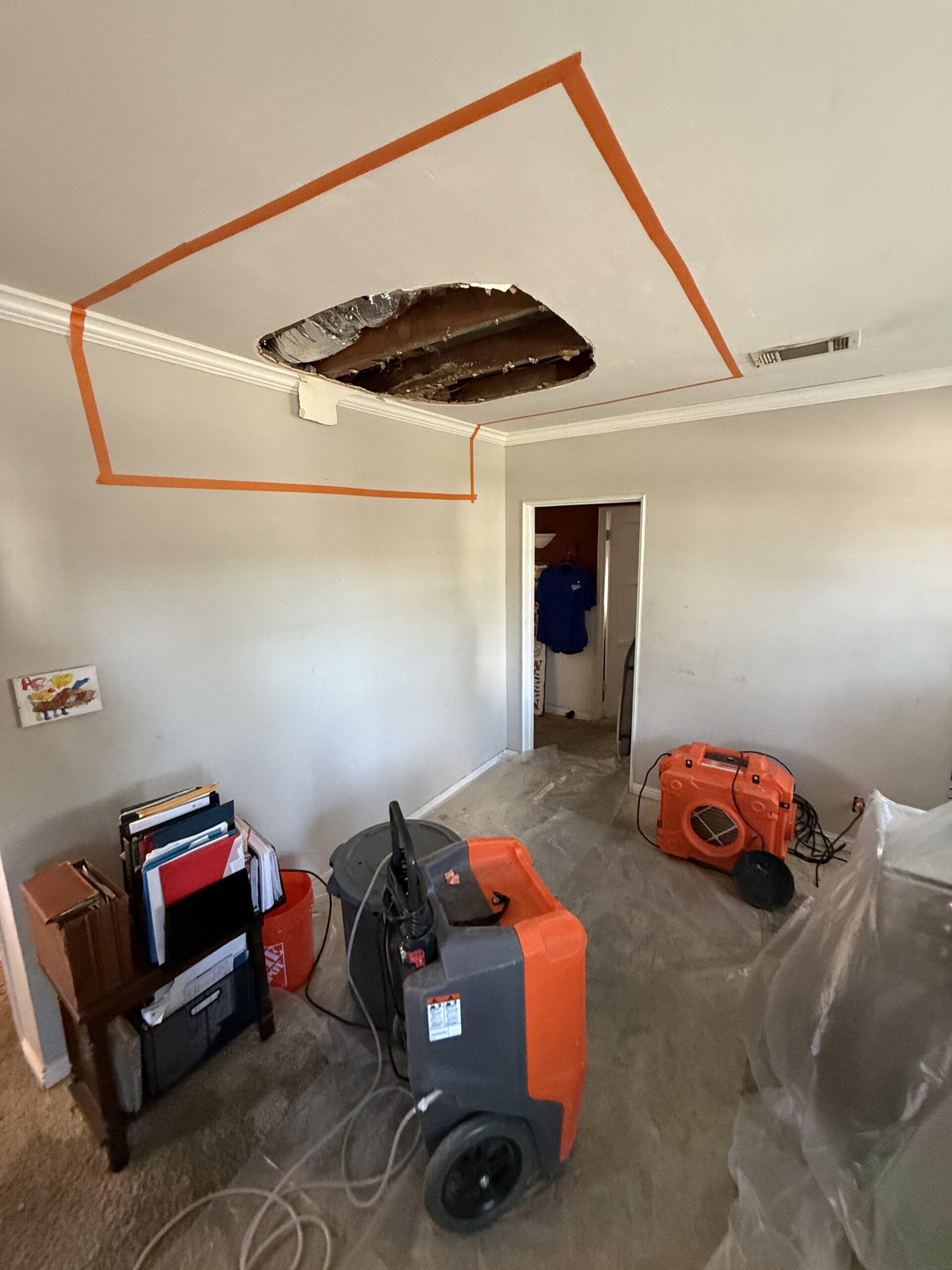
Learn what happens during water damage restoration, from moisture inspection and water extraction to structural drying, monitoring, and reconstruction.
Read Guide →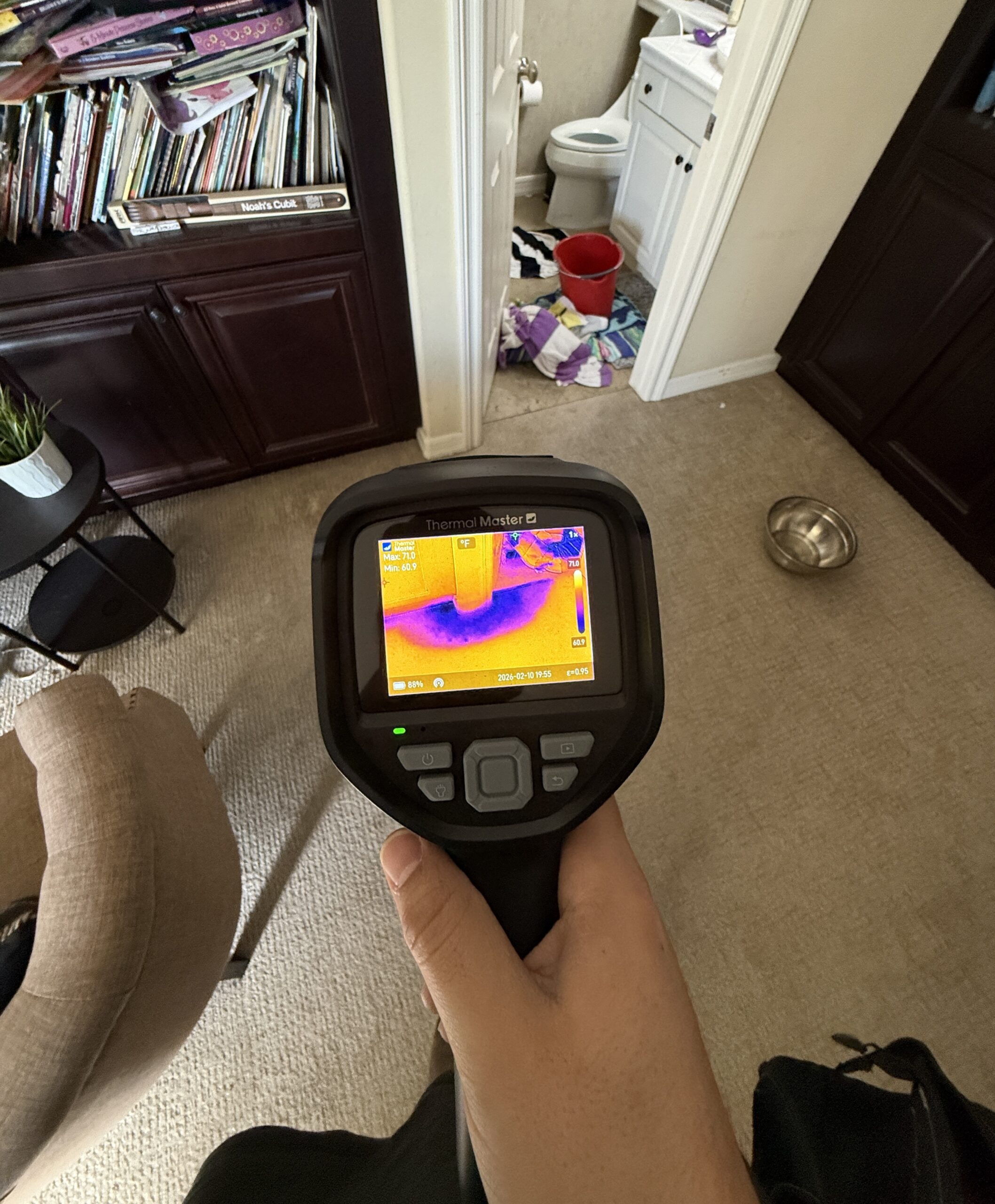
Water damage can remain hidden behind drywall long before it becomes obvious. Learn the warning signs of hidden moisture and how water damage is…
Read Guide →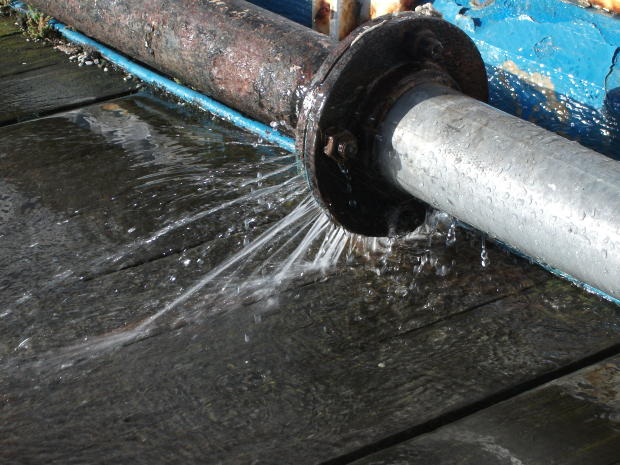
A burst pipe can spread water through flooring, drywall and other building materials quickly. Learn what to do immediately and how professional water damage…
Read Guide →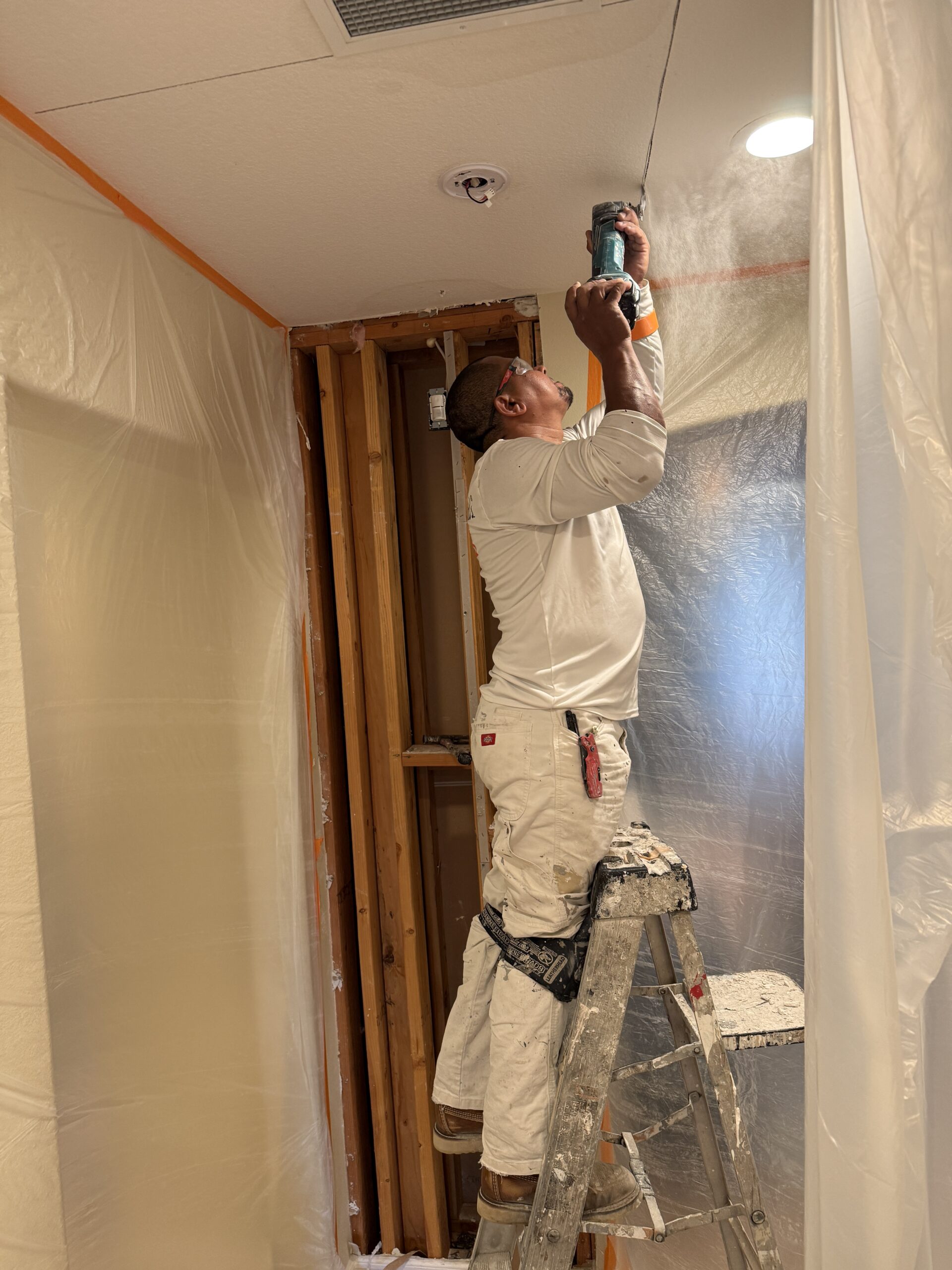
Water damage may be covered by homeowners insurance depending on how the loss occurred. Learn what types of water damage may be covered and…
Read Guide →Kitchen water damage can show up as staining, swollen cabinets, soft drywall, warped flooring, musty odors, recurring moisture, or leaks beneath sinks and appliances.…
Read Guide →Direct answers to common questions about water damage, mold, sewage, insurance documentation, and reconstruction.
Water damage should be addressed as soon as practical because moisture can move into drywall, flooring, cabinets, insulation, and other porous building materials. Early inspection and moisture documentation can help define the affected area.
No. Whether drywall can remain depends on the water category, level of saturation, physical damage, contamination, insulation behind the wall, and other job conditions.
Mold growth depends on moisture, temperature, the material involved, and how long conditions remain favorable. The priority after a water loss is to identify and control the moisture source and dry affected materials as quickly as practical.
Avoid direct contact with sewage-contaminated water or materials, keep children and pets out of the affected area, and arrange for professional evaluation and cleanup. Porous materials affected by sewage may require removal depending on the conditions.
When damaged materials have been removed and the property is ready for repairs, reconstruction can include drywall, texture, flooring, baseboards, painting, cabinets, doors, trim, and other interior finishes.
When a property loss involves insurance, restoration documentation can include photographs, moisture readings when applicable, drying records, affected-material information, scope details, and estimating support. Coverage is determined by the insurance carrier and the policy.
Our resources support the same property damage services we provide throughout Riverside County and nearby Inland Empire communities, including practical insurance documentation guidance for property damage claims.
See real project documentation showing property damage conditions, mitigation steps, moisture evaluation, drying, cleanup, and reconstruction.