Discovering water damage in your home can be stressful enough without wondering whether your homeowners insurance will cover the damage. The answer usually depends on one important factor: what caused the water damage and how suddenly it happened.
Many homeowners insurance policies may cover water damage caused by sudden and accidental events, while damage caused by long-term leaks, lack of maintenance, or flooding from outside the home may be treated differently.
When Is Water Damage Usually Covered by Homeowners Insurance?
Homeowners insurance commonly provides coverage for sudden and accidental water losses when the cause is covered under the policy. Every policy is different, but examples may include:
- A pipe suddenly bursting inside the home
- An appliance supply line unexpectedly breaking
- A water heater suddenly leaking or failing
- Water damage caused by certain plumbing failures
- Water entering the home because of certain covered storm damage
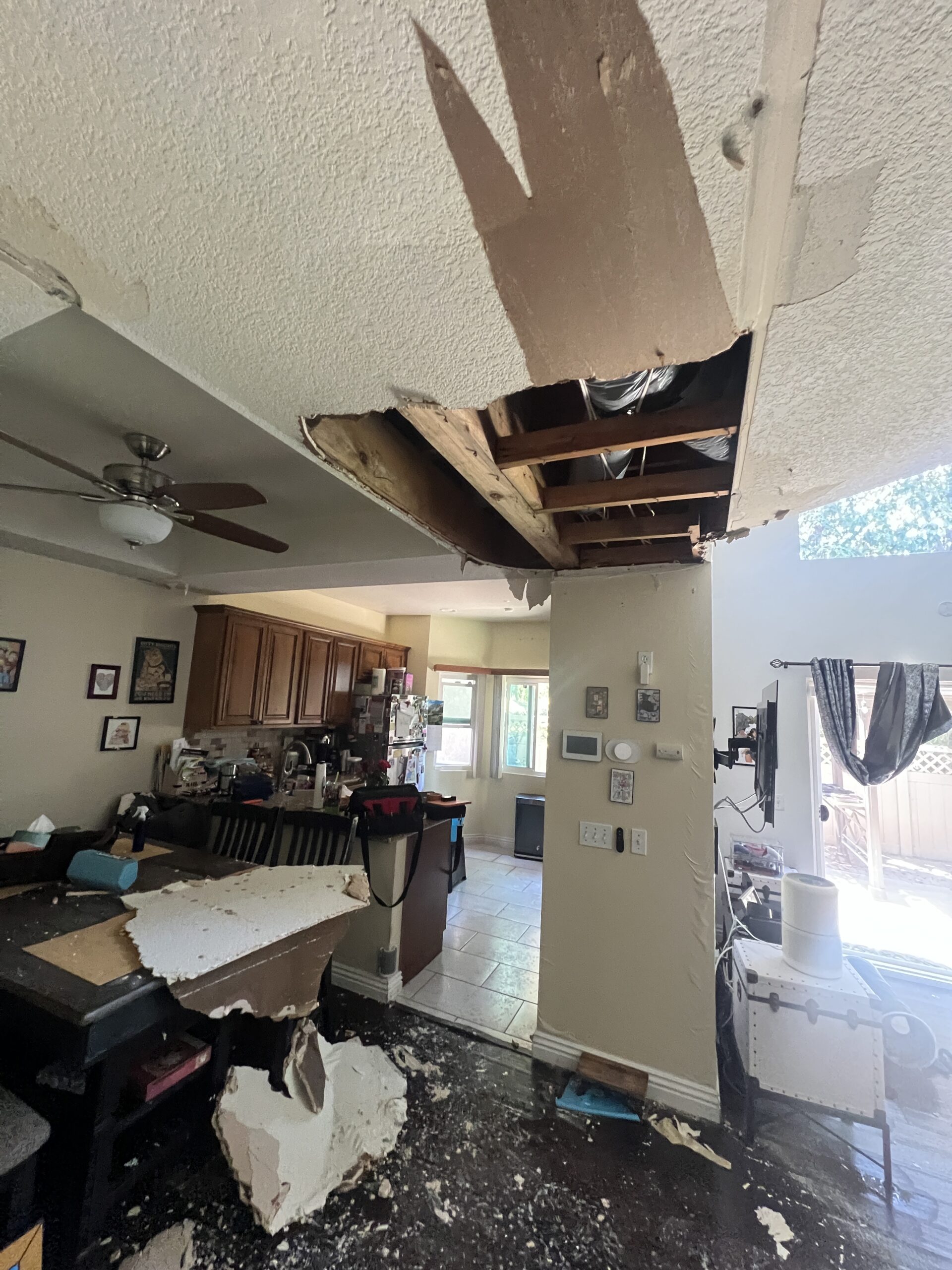
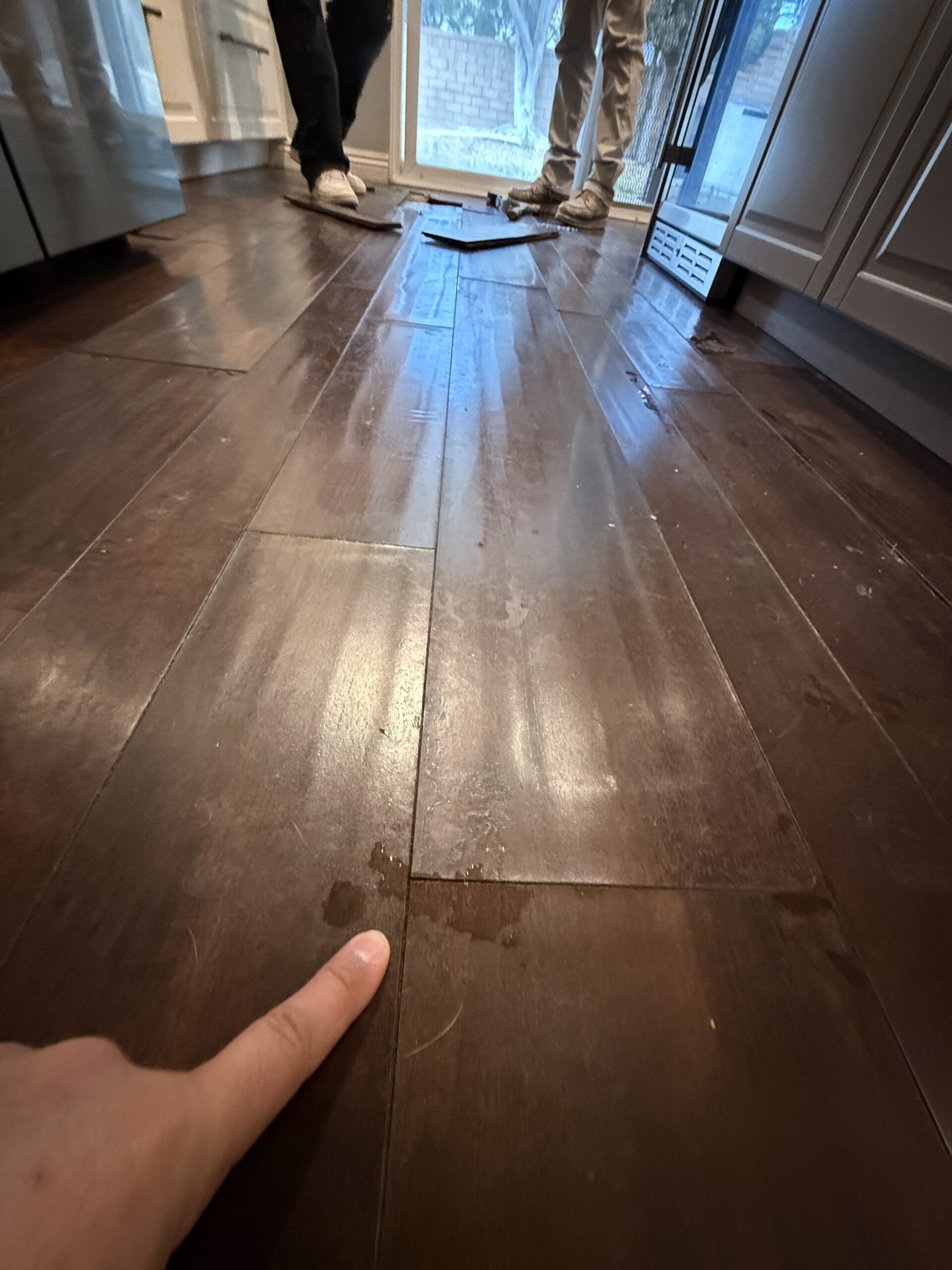
For example, if a plumbing line suddenly breaks and water damages your drywall, flooring, insulation, or cabinetry, your policy may provide coverage for the resulting damage, subject to the terms, exclusions, and deductible of your individual policy.
When Might Water Damage Not Be Covered?
Insurance coverage can become more complicated when the water problem developed gradually rather than suddenly.
A slow plumbing leak that has been occurring for an extended period, deterioration caused by lack of maintenance, or an issue the homeowner knew about but did not address may not be covered in the same way as a sudden water loss.
Another important distinction is flooding. Water entering a home from rising surface water or an overflowing body of water is generally handled differently from an interior plumbing loss and may require separate flood insurance.
What About the Broken Pipe or Appliance Itself?
There can also be a difference between coverage for the source of the loss and coverage for the resulting water damage.
For example, a policy may cover damage to drywall and flooring caused by a sudden plumbing failure while treating the repair or replacement of the failed plumbing component differently. Your insurance adjuster can explain how your particular policy applies to the loss.
What Should You Do Immediately After Finding Water Damage?
Taking action quickly can help prevent the damage from spreading and can make documenting the loss easier.
- Stop the water if it is safe to do so. Shut off the affected fixture or the home’s main water supply when necessary.
- Take photos and videos. Document the source of the water and affected areas before damaged materials are removed whenever possible.
- Protect the property from additional damage. Standing water and excessive moisture should be addressed as soon as reasonably possible.
- Contact your insurance carrier. Report the loss and ask about the claims process and your applicable coverage.
- Have the affected areas professionally inspected. Water can travel behind drywall, underneath flooring, and into other areas that aren’t immediately visible.
Why Water-Damage Documentation Matters
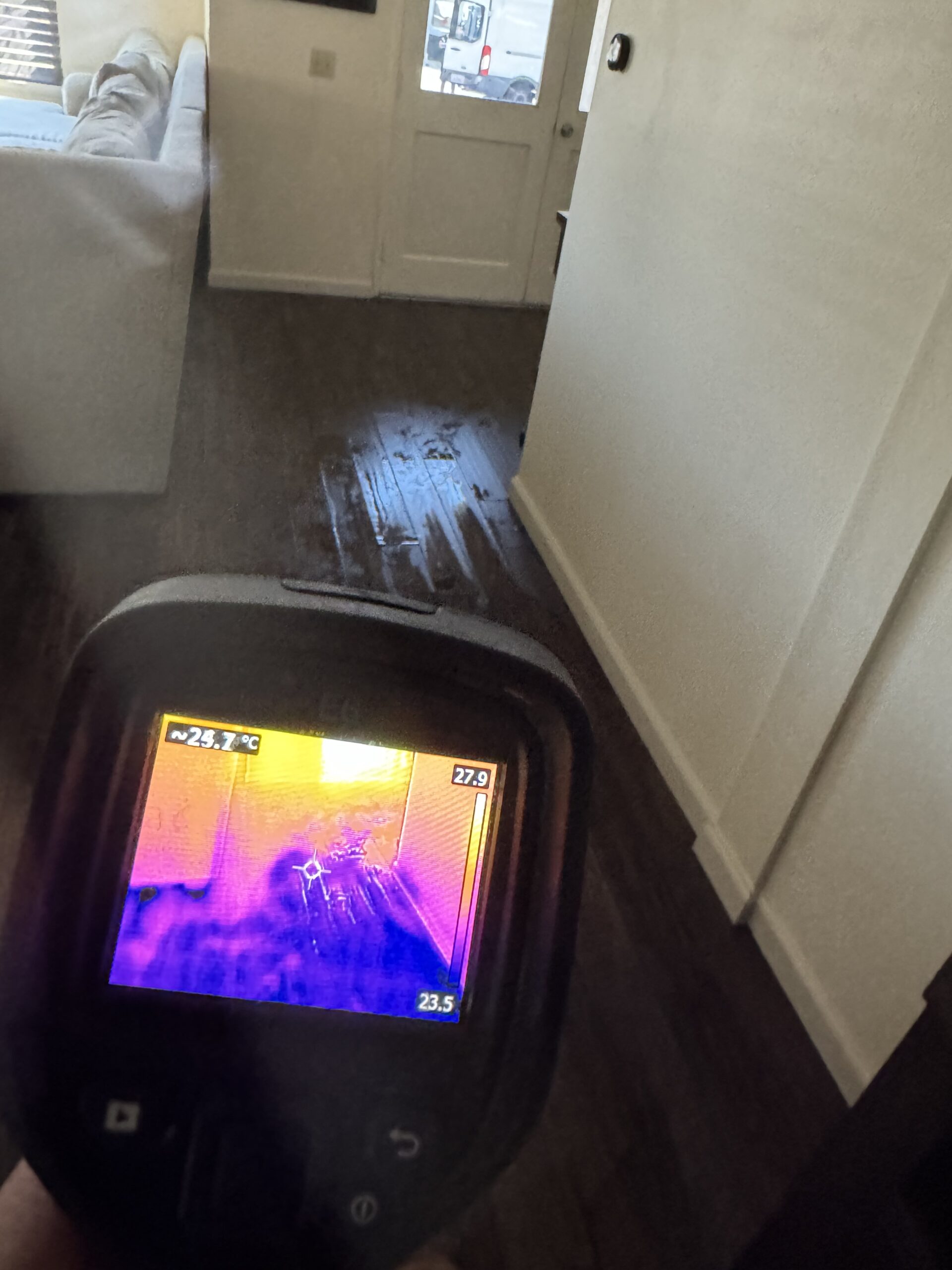
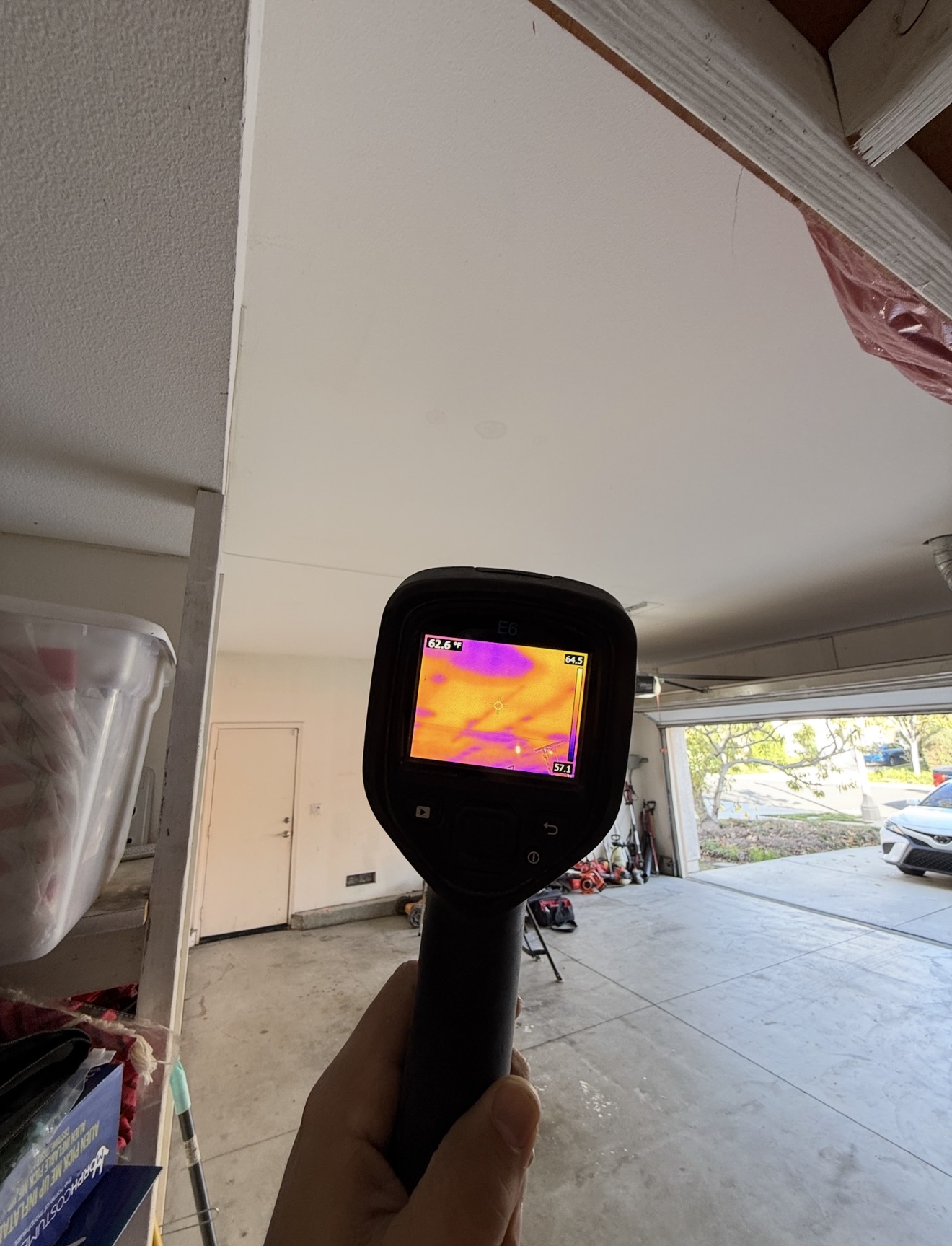
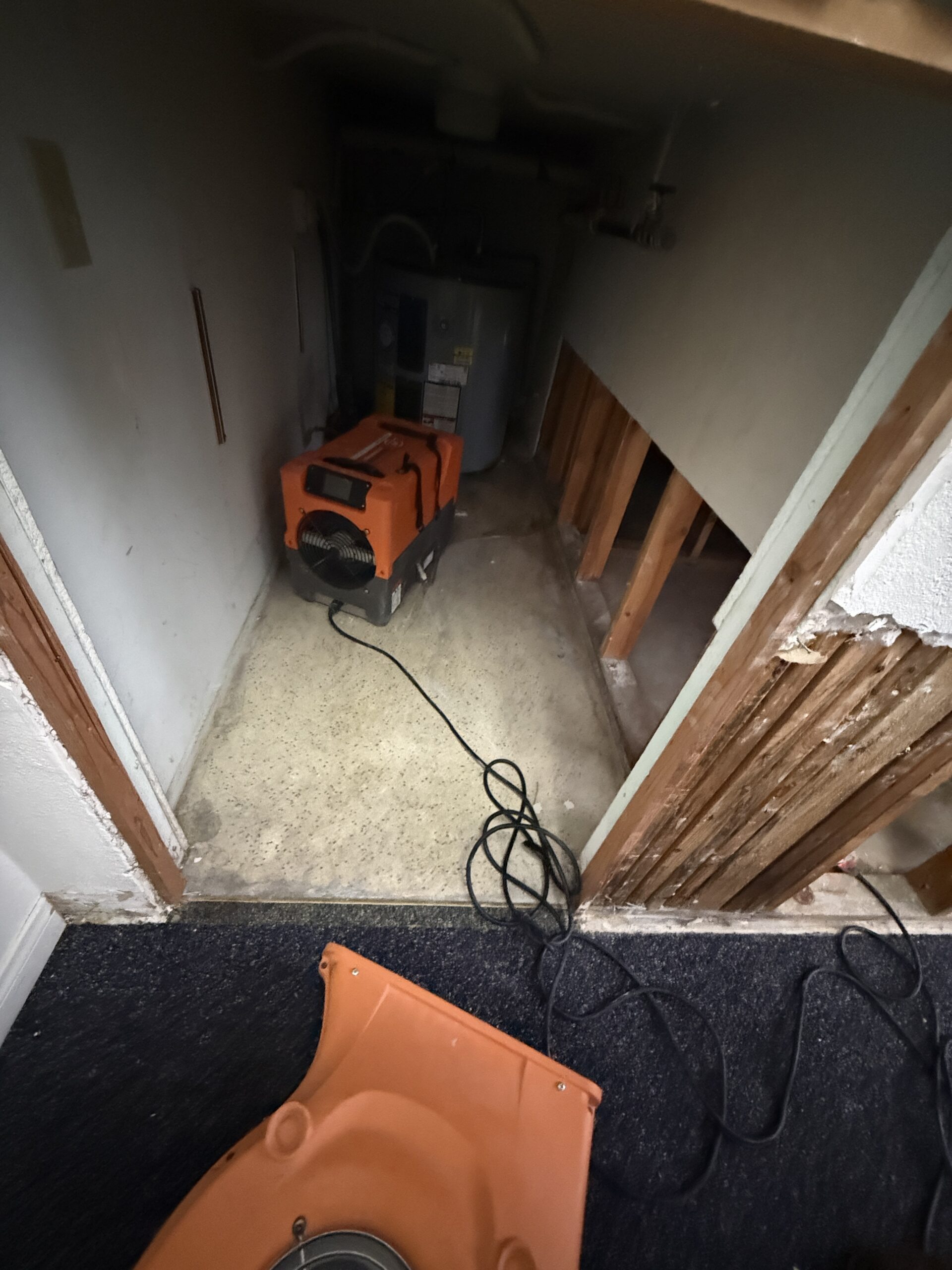
A water-damage inspection involves more than photographing what can be seen on the surface. Restoration professionals may use moisture meters and infrared imaging to help identify affected materials and determine the extent of the water intrusion.
During an insurance-related water loss, documentation may include moisture readings, photographs, affected-material measurements, equipment records, drying documentation, and an estimate describing the work performed or recommended.
This information can help provide the homeowner and insurance adjuster with a clearer picture of the damage.
Can You Start Water Mitigation Before the Adjuster Arrives?
You generally should not ignore active water damage while waiting for an insurance inspection. Depending on the circumstances, reasonable steps may need to be taken to protect the property from additional damage.
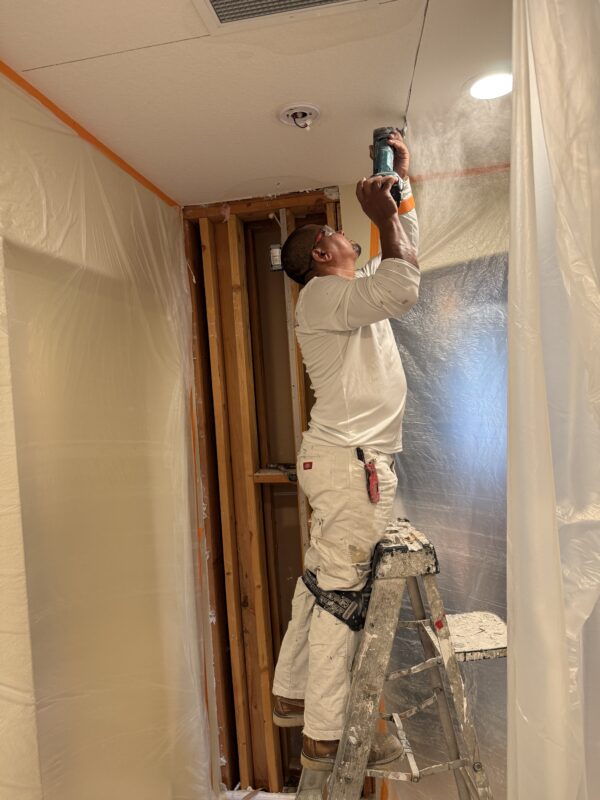
That doesn’t mean everything should immediately be demolished. The affected areas should first be evaluated, documented, and the appropriate mitigation approach determined based on the source of the water and the materials involved.
Does Filing a Claim Guarantee the Damage Will Be Covered?
No. A restoration company can document the damage and provide information about the cause and necessary restoration work, but the insurance carrier ultimately determines coverage according to the homeowner’s policy.
Homeowners should speak directly with their insurance carrier or adjuster when they have questions about deductibles, coverage limits, exclusions, or whether a particular loss is covered.
Water Damage Help in Riverside County
If you’ve discovered water damage in your home, 911 Restoration of Riverside County can inspect the affected areas, document moisture conditions, and help determine what needs to be dried or removed.
We provide water damage restoration services throughout Riverside County and surrounding communities for plumbing leaks, appliance failures, overflowing fixtures, water heater leaks, and other water-related emergencies.
Call 911 Restoration of Riverside County for immediate help if you have an active water-damage emergency.
Frequently Asked Questions
Does homeowners insurance cover a burst pipe?
A sudden and accidental pipe failure may be covered depending on the policy and circumstances. Coverage for the resulting water damage and coverage for repairing the failed pipe itself may be treated differently.
Does homeowners insurance cover a leaking water heater?
Resulting water damage from a sudden water-heater failure may be covered under some homeowners policies. Coverage can depend on why the water heater failed and the terms of the policy.
Does homeowners insurance cover a slow leak?
Long-term or gradual leaks can be treated differently from sudden water losses. The length of time the leak existed, its cause, and the specific policy language can all affect coverage.
Should I take pictures of water damage before cleanup?
Yes. When it is safe to do so, photograph and video the affected areas and the apparent source of the water before cleanup or removal begins. Additional professional documentation can be collected during the mitigation process.
How quickly should water damage be addressed?
Water damage should be addressed as soon as reasonably possible. Moisture can migrate into drywall, flooring, insulation, cabinetry, and other building materials even when the full extent of the damage isn’t immediately visible.
This article provides general property-restoration information. The correct scope for a specific loss depends on the source of damage, water category or contamination conditions, affected materials, building assembly, duration of exposure, moisture readings, and other site conditions.