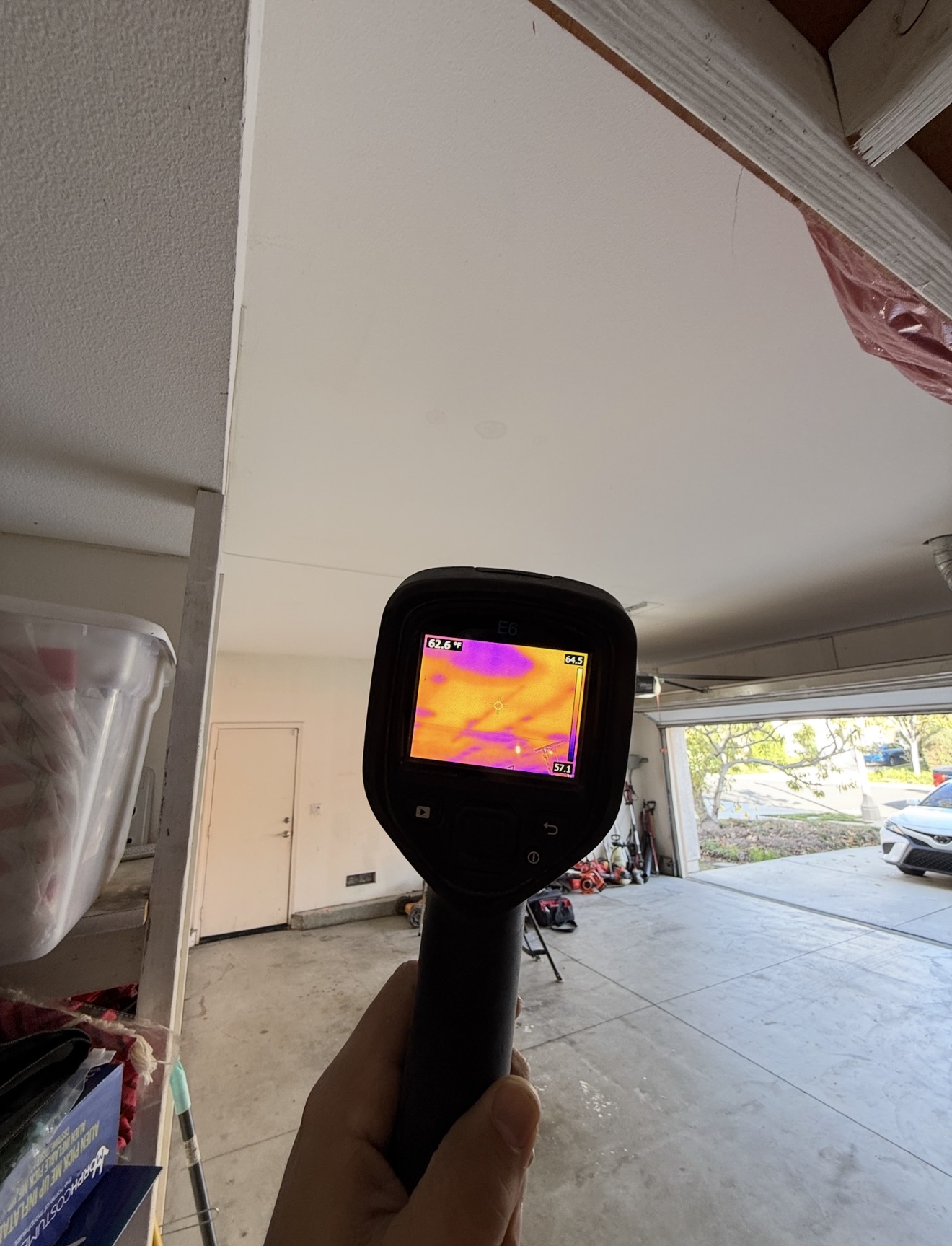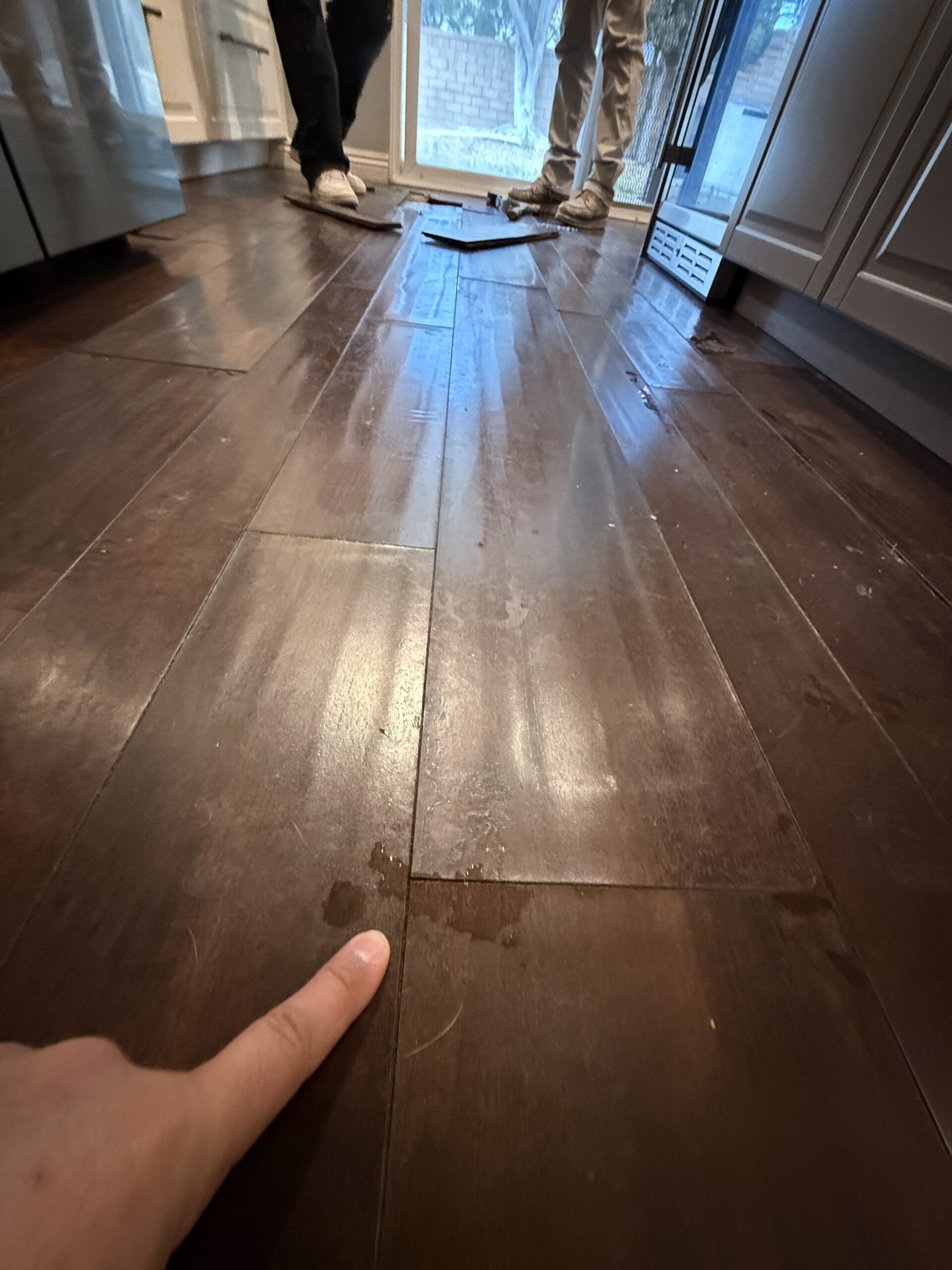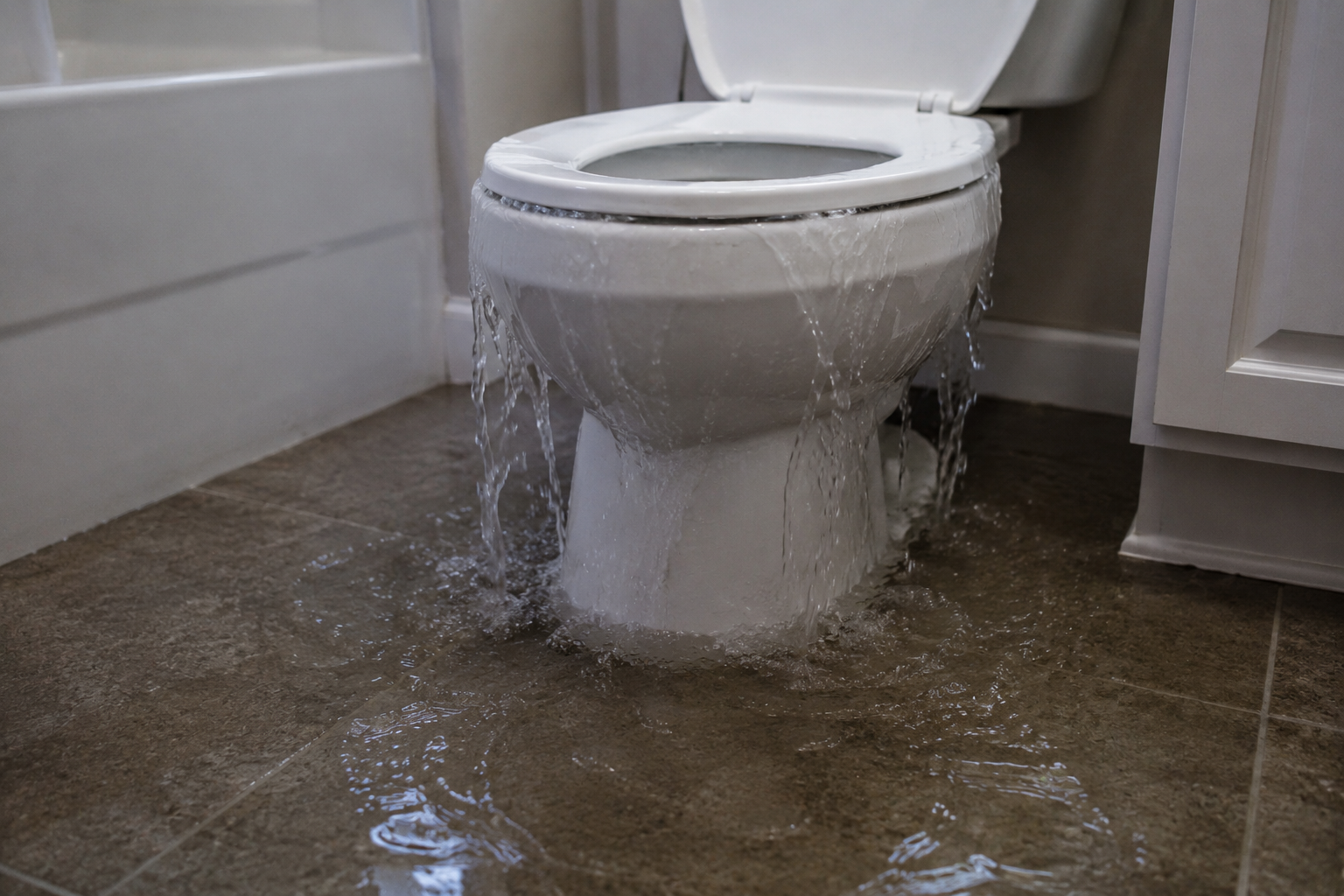
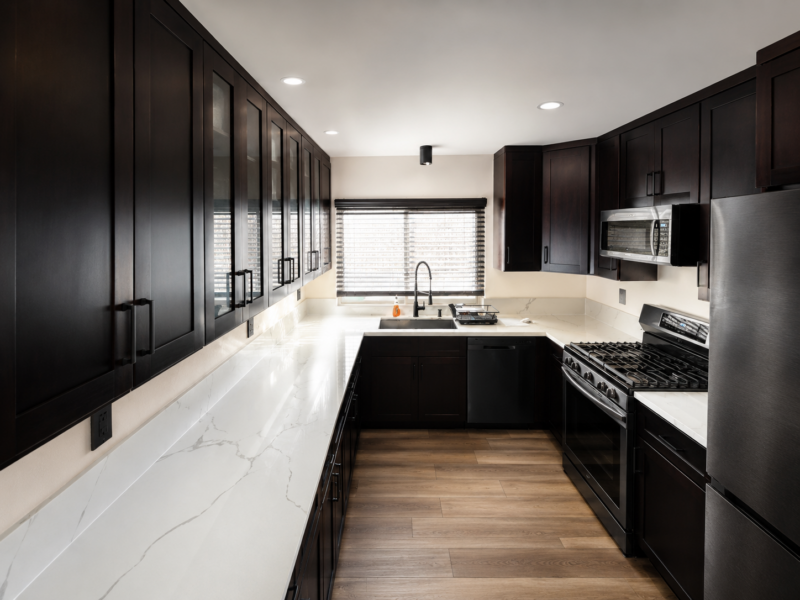
Quick answer: After water, fire, mold, or sewage mitigation is complete, a licensed reconstruction contractor can rebuild the damaged portions of the home. 911 Restoration of Riverside County is a licensed contractor and provides both property restoration and reconstruction, allowing homeowners to move from emergency mitigation into the rebuilding process with one restoration team.
Many homeowners are surprised to learn that water damage restoration and reconstruction are two different phases of the recovery process. Drying the structure is only the beginning when drywall, flooring, cabinets, insulation, trim, or other building materials had to be removed.
The reconstruction phase is what puts the home back together.
What Is Reconstruction After Water Damage?
Reconstruction is the process of repairing or rebuilding the portions of a property that were damaged by the original loss or removed during mitigation.
For example, a plumbing leak may require water extraction, structural drying, and removal of damaged drywall or flooring. Once the structure is dry, reconstruction begins so the affected rooms can be restored to a finished condition.
Depending on the extent of the loss, reconstruction may range from replacing a small section of drywall to rebuilding multiple rooms or major portions of a home.
What Is the Difference Between Mitigation and Reconstruction?
Mitigation stops additional damage and dries or cleans the structure. Reconstruction rebuilds what was damaged or removed.
During mitigation, a restoration company may perform:
- Water extraction
- Moisture inspection
- Removal of affected materials
- Structural drying
- Dehumidification
- Cleaning and sanitization
- Containment when necessary
- Moisture monitoring and documentation
After appropriate drying or remediation is complete, reconstruction may begin.
What Can Be Rebuilt After Property Damage?
Reconstruction can involve many different components of a home depending on the extent of the damage.
911 Restoration of Riverside County can handle reconstruction work involving areas such as:
- Drywall replacement
- Insulation
- Wall and ceiling repairs
- Texture and paint
- Baseboards and trim
- Interior doors
- Flooring
- Cabinetry
- Subfloor repairs
- Framing repairs
- Bathroom reconstruction
- Kitchen reconstruction
- Stair and finish repairs
- Multi-room rebuilding
- Major residential reconstruction after covered property damage
When specialized trades are required, the reconstruction process can also include coordination of the appropriate licensed trades as necessary for the project.
Can the Same Restoration Company Handle the Rebuild?
Yes, when the restoration company has the appropriate contractor licensing and reconstruction capabilities.
911 Restoration of Riverside County is a licensed contractor and provides both mitigation and reconstruction services. This allows our team to understand what happened during the original loss, what materials were removed, what areas were documented, and what needs to be rebuilt after the structure is ready.
For homeowners, that can create a more continuous recovery process than finishing mitigation and then starting over with an unrelated contractor.
Why Does Contractor Licensing Matter?
Reconstruction involves more than installing drying equipment or removing damaged drywall. Once a project moves into rebuilding, the work may involve framing, drywall, flooring, cabinetry, finishes, construction coordination, permits, inspections, and other building requirements depending on the scope.
Using a properly licensed contractor helps ensure the reconstruction phase is handled as an actual construction project rather than simply cosmetic cleanup.
Homeowners should verify contractor licensing and confirm that the company performing reconstruction is qualified for the work being proposed.
Can 911 Restoration of Riverside County Rebuild an Entire Home?
Yes. 911 Restoration of Riverside County has reconstruction capabilities that extend beyond small drywall repairs.
Depending on the scope of the loss, our reconstruction team can handle extensive rebuilding after water, fire, sewage, mold, or other property damage, including projects involving multiple rooms and major portions of a residence.
The goal is not simply to dry the property. The goal is to help move the home from damaged condition through mitigation and ultimately back to a finished, usable condition.
What Happens Before Reconstruction Begins?
Reconstruction should generally begin after the restoration conditions that caused the damage have been addressed.
For a water loss, that may mean:
- The source of the water has been repaired.
- Standing water has been removed.
- Affected materials have been evaluated.
- Necessary demolition has been completed.
- The remaining structure has been appropriately dried.
- The reconstruction scope has been established.
Moving into reconstruction too early can create problems if moisture remains inside building materials or concealed areas.
How Is a Reconstruction Scope Created?
The reconstruction scope identifies what needs to be repaired or replaced to restore the affected portions of the property.
That may include measurements, materials, finishes, labor requirements, photographs, mitigation documentation, and information about the pre-loss condition of the home.
For insurance-related restoration projects, documentation from the mitigation phase can also help establish what materials were affected and removed.
Can Reconstruction Include Upgrades?
In some situations, homeowners may choose to make changes or upgrades while reconstruction is being performed.
Insurance coverage generally relates to the terms of the individual policy and restoration of covered damage. If a homeowner wants upgraded flooring, cabinets, finishes, or other improvements beyond the covered scope, those changes may need to be handled separately.
The insurance carrier ultimately determines what is covered under the policy.
Who Handles Permits and Inspections?
Whether permits or inspections are required depends on the type and extent of reconstruction being performed and the requirements of the local jurisdiction.
A licensed reconstruction contractor can evaluate the scope and determine what construction requirements apply to the project.
This becomes especially important on larger losses involving structural repairs or substantial rebuilding.
What Happens After a Fire?
Fire and smoke losses may require significantly more reconstruction than a typical plumbing leak.
Depending on the severity of the damage, the project may involve demolition, framing, drywall, insulation, flooring, cabinetry, painting, finish work, odor-related restoration, and coordination of multiple construction trades.
Because 911 Restoration of Riverside County provides both restoration and reconstruction, our involvement can continue beyond emergency cleanup into the rebuilding phase.
What Happens After a Major Water Loss?
Large water losses can affect multiple rooms, multiple floors, ceilings, wall cavities, flooring systems, cabinetry, and other structural or finish materials.
Once the water mitigation process is complete, those areas may require extensive reconstruction.
This is why homeowners should understand whether the restoration company they hire only handles emergency drying or whether it can also complete the rebuilding that follows.
Do I Need to Find Another Contractor After Mitigation?
Not necessarily.
If your restoration company is appropriately licensed and offers reconstruction, the same company may be able to continue the project through the rebuilding phase.
911 Restoration of Riverside County provides mitigation and reconstruction services so homeowners do not automatically have to begin searching for another company after the emergency portion of the loss is complete.
Full-Service Restoration and Reconstruction in Riverside County
911 Restoration of Riverside County provides emergency property restoration and licensed reconstruction services for homes affected by water damage, sewage backups, mold, fire, smoke, and other property losses.
Our work can begin with moisture inspection, extraction, mitigation, drying, and affected-material removal and continue through drywall, flooring, cabinetry, painting, finish work, and larger residential reconstruction when required by the loss.
If your home needs more than emergency cleanup, 911 Restoration of Riverside County can help carry the project from mitigation through reconstruction and rebuilding.
Frequently Asked Questions
Does a water damage restoration company rebuild walls?
A restoration company with appropriate reconstruction capabilities and contractor licensing can rebuild walls and other materials removed during mitigation. 911 Restoration of Riverside County provides both mitigation and reconstruction services.
Who replaces drywall after water damage?
After the structure has been appropriately dried, a reconstruction contractor can replace damaged or removed drywall, complete texture and finishing work, and repaint the affected areas.
Can a restoration company replace flooring and cabinets?
Yes, when the company offers licensed reconstruction services. Reconstruction after property damage can include flooring, cabinetry, drywall, trim, painting, and other components required to restore the damaged areas.
Can 911 Restoration of Riverside County rebuild after a major loss?
Yes. 911 Restoration of Riverside County is a licensed contractor and provides reconstruction services ranging from individual room repairs to extensive residential rebuilding depending on the scope of the property damage.
Do I need a contractor after water mitigation?
If materials were removed or damaged, reconstruction is usually required to return the property to a finished condition. A licensed restoration contractor that also performs reconstruction may be able to handle both phases of the project.
Does homeowners insurance pay for reconstruction?
Insurance may provide coverage for reconstruction resulting from a covered loss, subject to the policy’s terms, limits, exclusions, and deductible. The insurance carrier ultimately determines coverage.
This article provides general property-restoration information. The correct scope for a specific loss depends on the source of damage, water category or contamination conditions, affected materials, building assembly, duration of exposure, moisture readings, and other site conditions.