Document the Initial Conditions
- Initial photographs
- Affected rooms and materials
- Moisture readings and mapping
- Thermal imaging when appropriate
- Visible damage and source information when known
- Water category or contamination concerns when applicable
Property damage is stressful enough without trying to figure out the restoration and insurance process at the same time. 911 Restoration of Riverside County helps document the damage, stabilize the property, complete mitigation, and provide restoration information commonly requested during a claim.
You don't need to understand every step before calling. We'll explain the restoration process as your project moves forward.
Coverage decisions are made by the insurance carrier under the terms, conditions, exclusions, and limits of the policy. Our role is documenting property conditions and the restoration work we perform.
The first few decisions can help protect the property and make the next steps easier.
Avoid electrical hazards, sewage contamination, unstable materials, active fire conditions, and unsafe areas. Safety comes before cleanup.
If it can be done safely, shut off the water or address the immediate source so the damage does not continue spreading.
Take photos and videos of affected areas before unnecessary cleanup or disposal so there is a record of the initial conditions.
Contact the insurance carrier and report what happened so the claim process can begin and carrier instructions can be documented.
Save the claim number and adjuster's contact information when assigned so everyone can reference the same claim file.
Emergency extraction, drying, containment, board-up, cleaning, or other work may be necessary to stabilize the property.
Call our restoration team when active property damage needs to be inspected, stabilized, cleaned, or dried.
Every loss is different, but most restoration projects follow a similar path from emergency response through completed repairs.
A pipe, appliance, sewage backup, fire, or another event damages the property.
Affected areas, materials, moisture conditions, and visible damage are documented.
The homeowner reports the loss to the carrier and receives claim information.
Necessary work may begin to remove water, control contamination, dry the structure, or stabilize the property.
The carrier or adjuster may inspect the property and review available documentation.
Relevant photos, measurements, restoration documentation, estimates, and scope information may be provided.
After mitigation, damaged building materials may need to be repaired or replaced.
The property moves from emergency stabilization through restoration and completed repairs.
Don't worry if you don't have everything yet. Start with what you know and gather additional information as the process moves forward.
Property damage can change quickly. Clear documentation creates a record of what was found, what work was performed, and how conditions progressed during restoration.
Homeowners are often surprised to learn that stopping the damage and rebuilding the property are two separate phases of restoration.
The insurance carrier determines coverage based on the terms, conditions, exclusions, and limits of the homeowner's policy.
911 Restoration's role is to document property conditions and restoration work, perform the contracted restoration services, prepare applicable estimates or scopes, and provide documentation related to the work performed.
Determines coverage under the policy.
Reviews the loss and available documentation on behalf of the carrier.
Provides claim information and communicates with the insurance carrier.
Documents and performs restoration-related work.
A deductible is the amount the policyholder may be responsible for before insurance benefits are applied to a covered claim. Deductibles vary by policy, so homeowners should confirm the amount directly with their insurance carrier.
Property damage is not always fully visible during the initial inspection. Additional conditions can appear as materials are opened or removed.
Additional conditions should be documented and communicated appropriately when discovered. Newly discovered damage is not automatically covered by insurance.
This is the kind of list worth saving or screenshotting. Clear answers early can make the next conversations easier.
Direct, plain-English answers to common questions after water, fire, smoke, sewage, or other property damage.
If there is an immediate safety hazard, contact emergency services first. For active water, sewage, fire, smoke, or other property damage, emergency mitigation may also need to begin promptly. Report the loss to your insurance carrier as soon as practical and ask for a claim number, adjuster information, and any inspection or documentation instructions.
Necessary emergency mitigation may begin when it is needed to protect the property from continued damage. When it is safe to do so, document the conditions before materials are removed and ask the carrier whether there are specific inspection or documentation requirements. Coverage decisions remain with the insurance carrier.
Photograph and video the apparent source, affected rooms, damaged flooring, walls, ceilings, cabinets, contents, and visible damage paths when it is safe to do so. Restoration documentation may also include moisture readings, affected-material information, equipment records, and progress photos.
Not always. If it is safe, document damaged materials before disposal or removal. Some materials may need to be retained temporarily for inspection or documentation, while contaminated or unsafe materials may require prompt controlled removal. Ask the carrier about any claim-specific requirements.
The insurance carrier determines coverage under the terms, conditions, exclusions, and limits of the policy. A restoration contractor can document property conditions and work performed, but does not determine policy coverage.
Mitigation focuses on controlling the damage, removing water or affected materials, cleaning, drying, sanitizing, and stabilizing the property. Reconstruction is the repair phase that rebuilds damaged areas with materials such as drywall, flooring, cabinets, trim, paint, framing, and finishes.
Depending on the project, documentation may include initial photographs, affected-room information, moisture readings, moisture mapping, thermal imaging when appropriate, affected-material details, equipment placement, drying records, removal documentation, estimates, scope information, and completion photographs.
Newly discovered conditions should be documented and communicated promptly. The restoration file may be updated with photographs, moisture information, affected-material details, scope changes, or revised estimating information. Ask the carrier or adjuster how additional damage should be submitted for review.
Coverage depends on the cause of the water loss and the terms, exclusions, limits, and deductible in the policy. Sudden and accidental water losses may be treated differently from long-term leaks, maintenance issues, or outside flooding. The insurance carrier determines whether the loss is covered.
After mitigation, the property is reassessed for remaining repair needs. Drying and mitigation documentation can be organized, damaged finishes can be scoped for repair, and reconstruction may begin when the repair scope and project conditions are ready.
There is no single timeline. The schedule depends on the size and type of loss, drying conditions, contamination, material removal, documentation needs, repair scope, material availability, and reconstruction work. Claim review timing is controlled by the insurance carrier.
These are actual projects completed by 911 Restoration of Riverside County, showing real property damage, mitigation, drying, and reconstruction work.
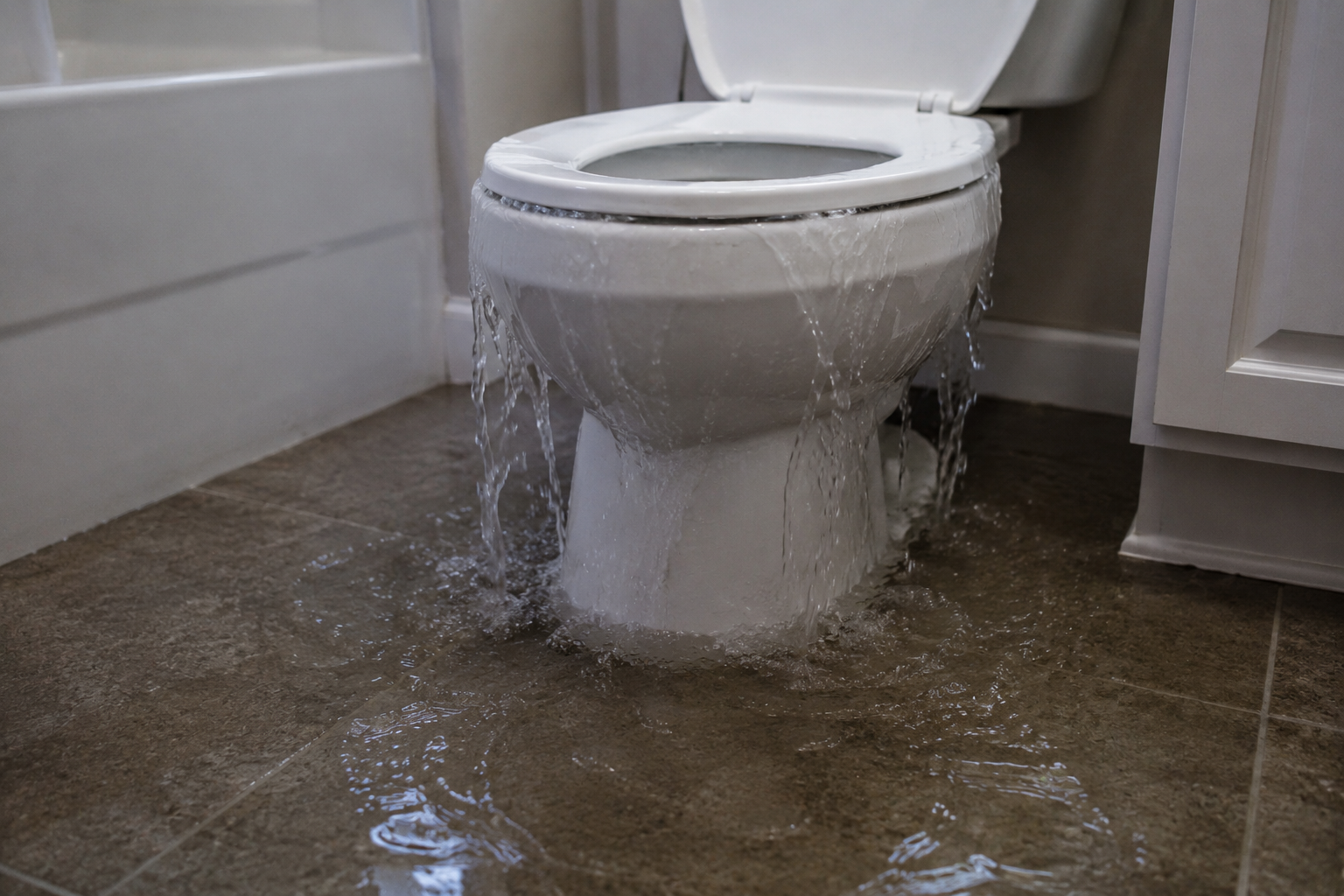
A real Category 3 toilet overflow cleanup in Corona, CA. See how 911 Restoration of Riverside County handled moisture detection,…
View Real Project →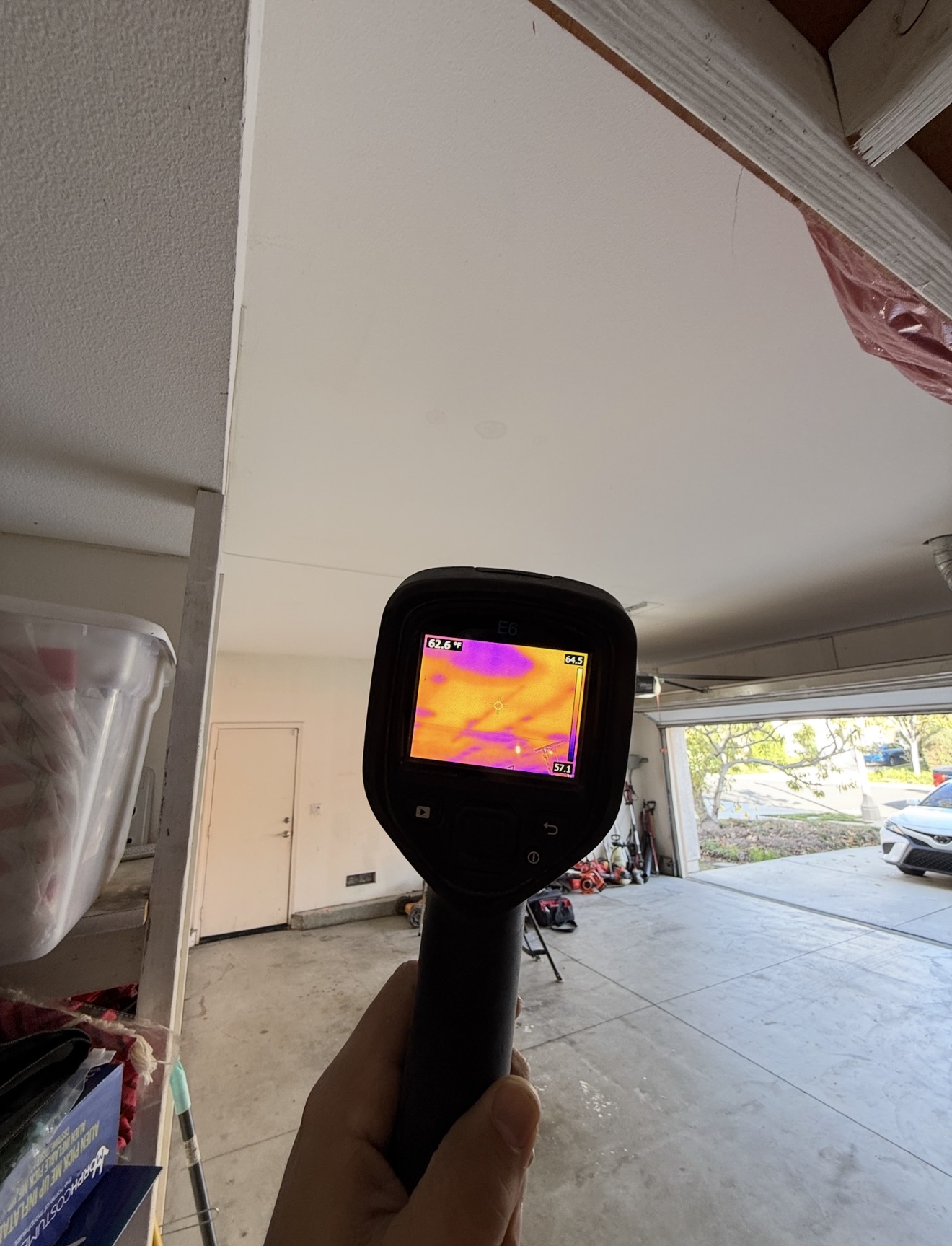
A real water damage restoration project in Chino, CA caused by a second-floor washing machine overflow. See how 911 Restoration…
View Real Project →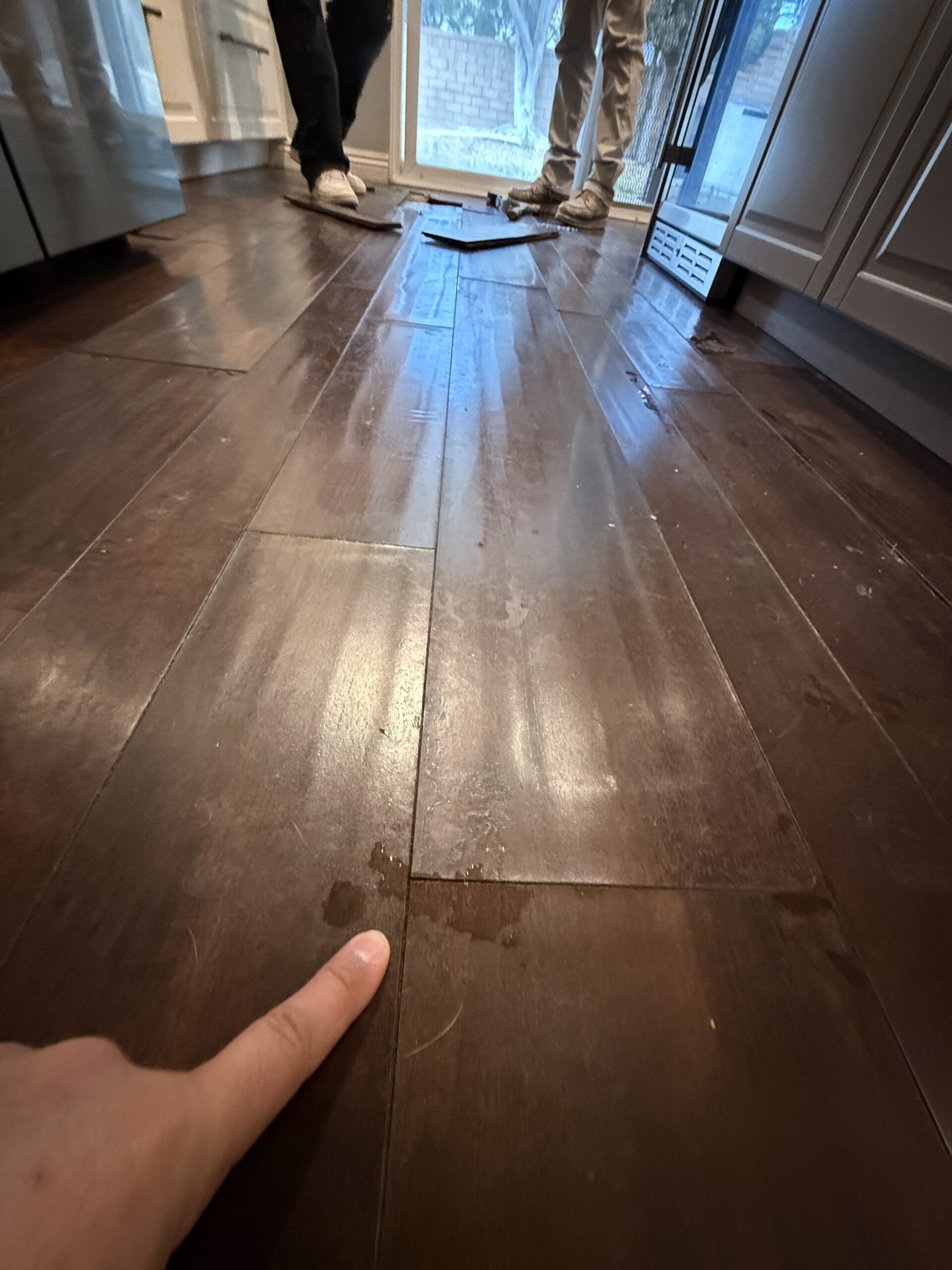
A real water damage restoration project in Ontario, CA showing the full process from moisture inspection and mitigation through structural…
View Real Project →From emergency mitigation and structural drying to documentation and reconstruction, 911 Restoration of Riverside County can help move the property from damage toward recovery.