
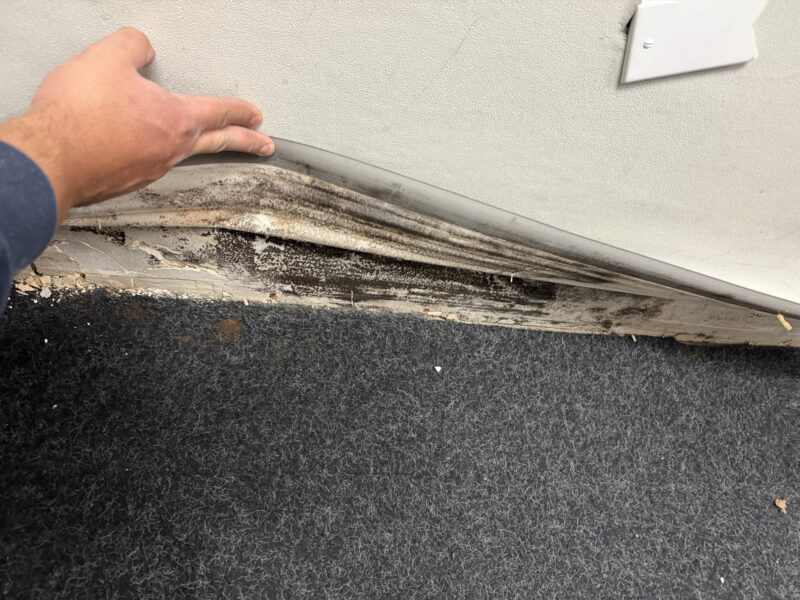
Visible Mold Growth
Discoloration or suspected growth on drywall, ceilings, cabinets, framing, flooring, or other building materials.
Professional mold remediation, containment, affected-material removal, HEPA filtration, detailed cleaning, moisture documentation, and restoration for homes and commercial properties throughout Riverside County and nearby Inland Empire communities.
We can provide photos, moisture documentation, drying records, and estimating information for the claim process.








Carrier names and logos are shown for identification only. No affiliation or endorsement is implied. Coverage decisions are made by the insurance carrier under the terms of the policy.
Effective mold remediation starts by understanding why the area became damp. A roof leak, plumbing loss, past water damage, flooding, elevated humidity, condensation, or another moisture source can create conditions that allow mold to develop.
Our process focuses on the affected area, the building materials involved, the moisture condition, containment needs, removal or cleaning of affected materials, HEPA filtration when appropriate, and preparation for repairs or reconstruction. If the concern followed a water loss, our guide to how water damage can create mold conditions explains the connection.
Visible growth is only one reason to investigate. A history of water intrusion or persistent moisture can also justify a closer look.
Discoloration or suspected growth on drywall, ceilings, cabinets, framing, flooring, or other building materials.
Areas that stayed wet after a plumbing leak, flood, roof leak, toilet overflow, or other water loss.
Persistent musty conditions can indicate trapped moisture or microbial growth in visible or concealed areas.
Elevated indoor relative humidity or recurring condensation can contribute to moisture problems on susceptible materials.
Moisture behind drywall, under flooring, around cabinets, or inside wall assemblies may not be obvious from the surface. See how hidden moisture behind a wall is investigated →
Mold that returns after surface cleaning can indicate that the underlying moisture condition has not been corrected.
Concealed dampness can matter even when the surface looks normal. Read how hidden moisture can contribute to mold concerns.
Mold removal is the phrase homeowners commonly use when they want visible mold addressed. Mold remediation describes the broader professional process of evaluating the affected area, controlling the work environment, addressing affected materials, and correcting restoration-related moisture conditions.
The exact scope depends on the property, but a clear process helps control the work area and address both affected materials and the moisture condition.
We discuss the affected area, visible conditions, past water damage, odors, and known moisture sources.
We inspect the work area and evaluate moisture conditions that may be contributing to the problem.
The work area is separated as appropriate for the scope so remediation activities stay controlled.
Materials that cannot be effectively cleaned or retained are removed according to the conditions of the project.
HEPA filtration and detailed cleaning may be used to address dust, debris, and affected surfaces within the work area.
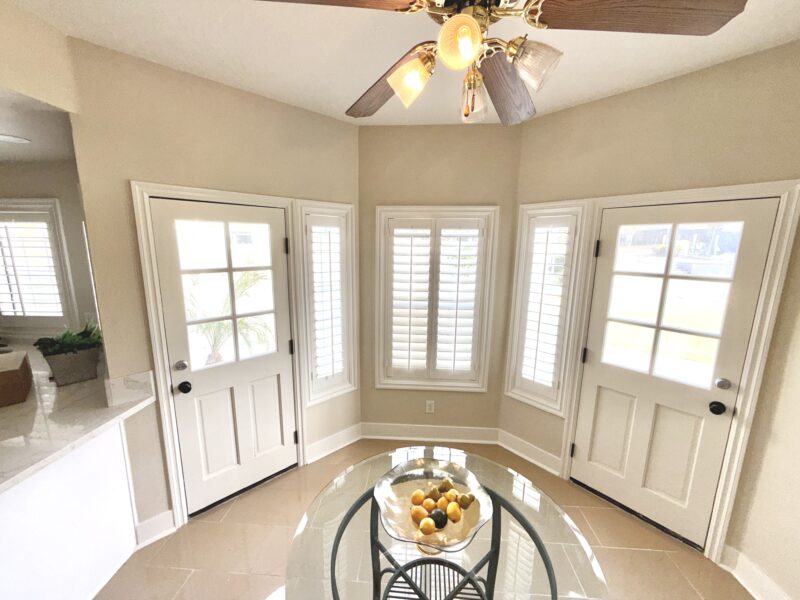
Moisture conditions are addressed, and when repairs are required, our team can continue into reconstruction and final finishes.
Professional remediation does not automatically mean everything gets demolished. The appropriate approach depends on the material type, physical condition, moisture conditions, extent of the affected area, porosity, and whether the material can be appropriately accessed and cleaned.
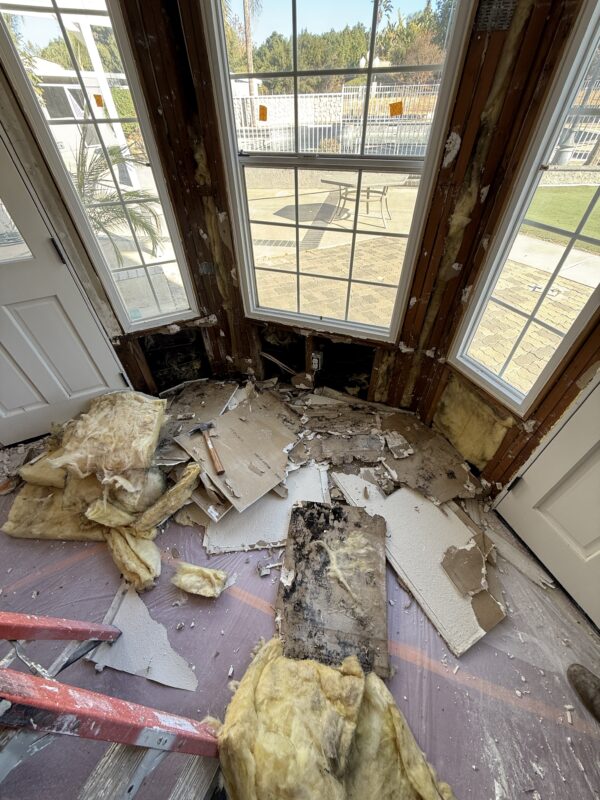
Mold-affected or deteriorated drywall may require removal depending on the extent and condition of the material.
Wet or affected insulation may require removal because porous insulation can be difficult to clean once impacted.
Structural wood may sometimes be cleaned and treated rather than automatically replaced, depending on its condition.
Trim may be removed to access affected wall cavities or may require replacement if damaged.
The appropriate approach depends on material type, exposure, condition, and whether affected areas can be accessed and cleaned.
Flooring and the materials beneath it should be evaluated when moisture has traveled underneath the finished surface.
When a past water loss is part of the problem, understanding structural drying after water damage can help explain how remaining moisture is addressed. If finishes need to be rebuilt after remediation, see our reconstruction services.
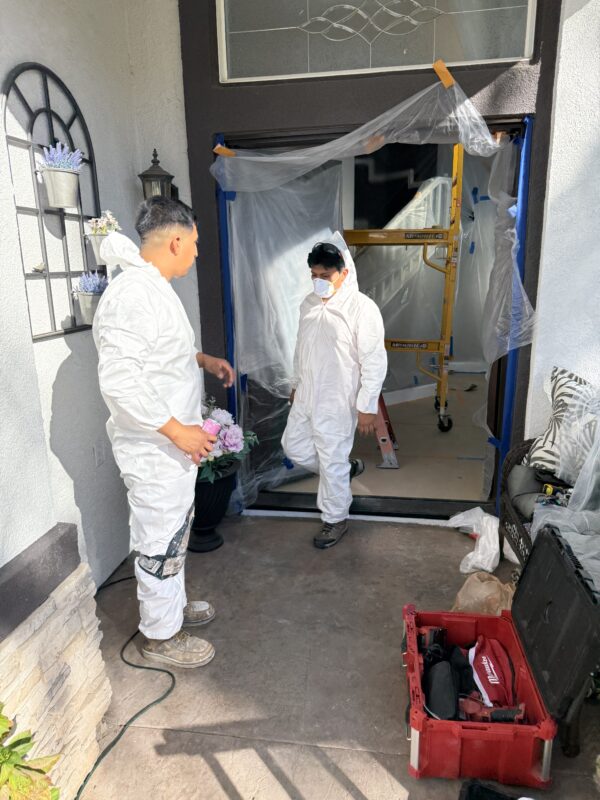
This Riverside mold remediation project included removal of affected drywall and insulation, containment of the work area, and preparation for detailed cleaning and restoration.
See more documented restoration projects →
Request Mold Remediation HelpReal project photos from restoration work. Image descriptions are pulled from the Alt Text saved in the WordPress Media Library.
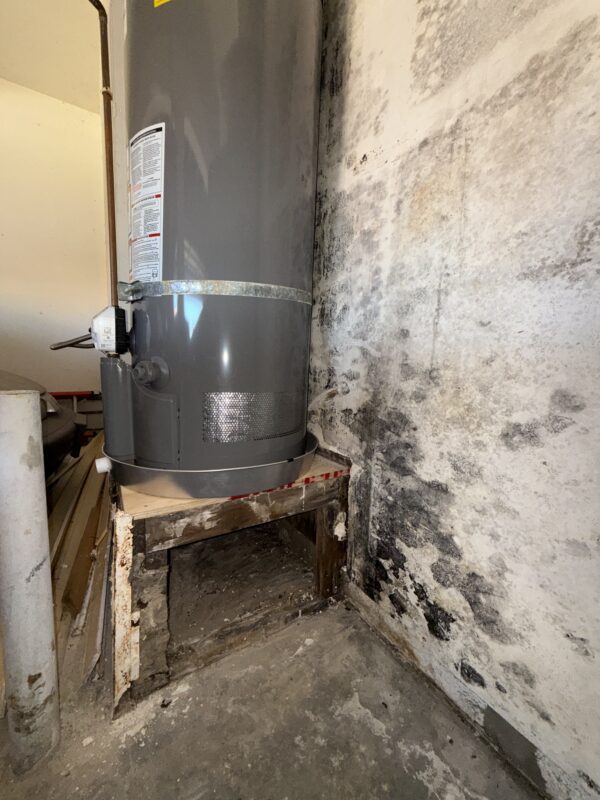
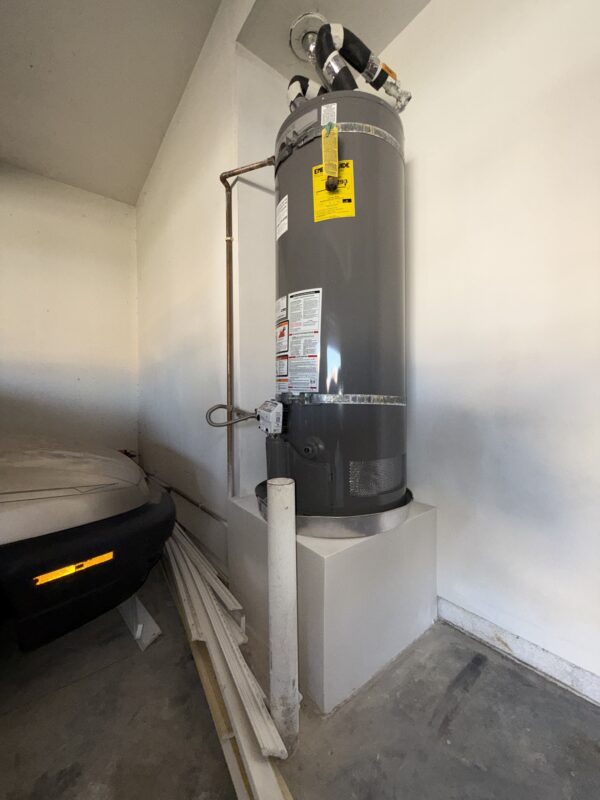
When mold remediation is connected to a covered water loss or insurance claim, our team can provide project photographs, moisture documentation, scope information, and restoration estimating support.
Insurance coverage and claim decisions are determined by the carrier and the terms of the policy. We do not guarantee coverage.
Learn what to expect during a property damage insurance claim →
Documentation of affected areas, materials, containment, and progress.
Documentation of relevant moisture conditions when applicable.
Organized information about the affected materials and work performed.
Documentation for repairs and reconstruction when needed after remediation.
We provide mold remediation and related restoration services across our local service territory.
Direct answers to common questions about mold testing, hidden moisture, wet drywall, containment, HEPA filtration, insurance, and the remediation process.
Mold can begin developing when building materials remain damp, so the priority is to identify and correct the moisture source and dry affected materials as soon as possible. The exact timing varies with temperature, humidity, material type, and how long moisture remains present.
Yes. Mold can develop in concealed areas when moisture is trapped behind drywall, under flooring, inside wall cavities, or around cabinets. Moisture detection and a careful inspection can help identify conditions that are not visible from the surface.
No. Removal depends on the extent of growth, the condition and porosity of the material, the moisture source, and whether the material can be effectively cleaned and dried. Some affected porous materials may need to be removed while others may be cleaned in place.
Mold remediation is the broader process of controlling the affected area, addressing contaminated materials, cleaning, filtration, and correcting the moisture condition that allowed growth. The goal is not simply to wipe away visible mold.
Containment helps separate the work area from unaffected areas during remediation. Depending on the project, this can include plastic barriers, controlled access, and air-filtration equipment to help manage dust and disturbed particles.
HEPA filtration may be used as part of a mold remediation setup when appropriate for the scope of work. The exact equipment and containment approach depend on the affected materials, location, and conditions at the property.
That depends on the size and location of the work area, the materials being removed, occupant sensitivities, access to unaffected areas, and the remediation plan. The conditions of the specific project should be evaluated before deciding.
Not every situation requires the same type of testing. Whether mold sampling or an independent assessment is appropriate depends on the conditions, purpose of the investigation, and project requirements. When independent testing or clearance is needed, a qualified third-party environmental professional may be involved.
Coverage depends on the cause of the moisture or water loss and the terms of the policy. We can provide photographs, moisture documentation, scope information, and restoration estimating support, but the insurance carrier determines coverage.